 Chandra Wijayanto
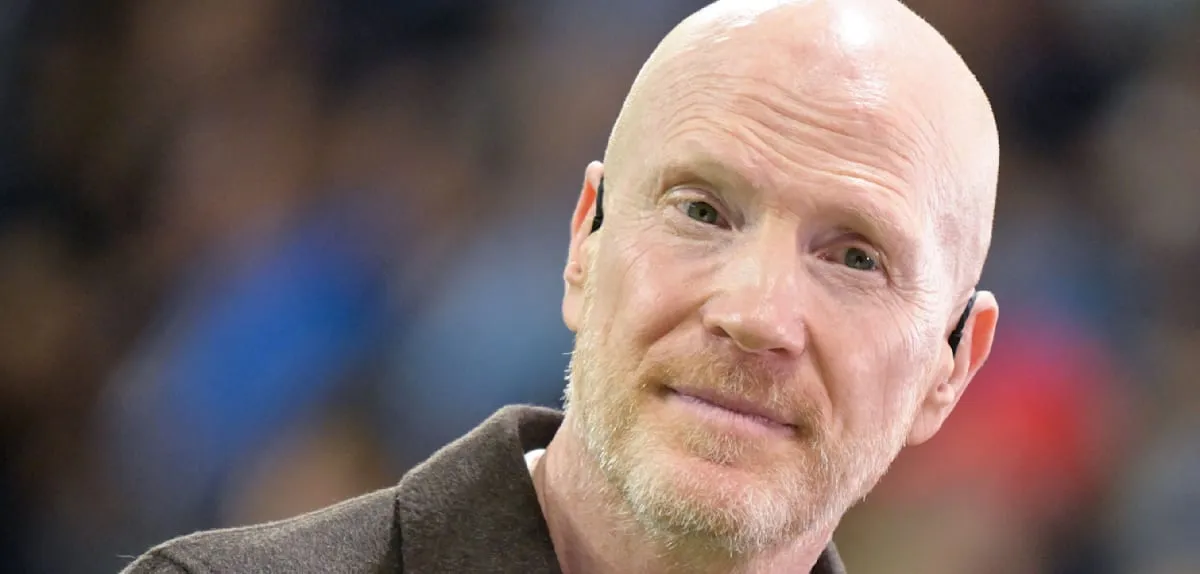
BERLIN — German football legend Matthias Sammer has launched a scathing critique of the sport’s fundamental condition. He openly stated that German football is currently facing a serious “sports director problem,” indicating systemic failures in talent management and the enforcement of performance as a top priority.
Sammer’s statement, known for his assertiveness as a former player and technical official, comes amid heated debates about the performance of the national team and Bundesliga clubs in European competitions. His analysis points to deeper root problems than mere match results, namely the managerial structures behind the scenes.
According to Sammer, an excessive focus on off-field aspects has eroded the essence of genuine talent development. Sports directors, who should be the architects of a club’s future, are often found to be neglecting basic principles that prioritize quality and athletic potential.
The issue of youth talent management is a key concern. Sammer argues that the current system fails to provide an optimal pathway for young players to develop, often getting bogged down in bureaucracy or instant policies that lack vision.
This condition, Sammer continued, directly impacts the quality of the league and its competitiveness at the international level. He calls for a comprehensive evaluation of the roles and competencies of sports directors to achieve German football’s long-term vision.
The former Bayern Munich sports director also emphasized that “performance must once again be above everything else.” This philosophy, for him, is the foundation that must be re-established to ensure every strategic decision is based on the goal of improving on-field quality.
Sammer’s concerns are not unfounded. In recent years leading up to 2026, a number of promising talents from German academies have struggled to break into first teams or reach their full potential, raising significant questions about the effectiveness of development programs.
This criticism indirectly urges the German Football Association (DFB) to undertake significant internal restructuring. The demand to once again place performance as the primary benchmark is expected to trigger constructive discussions across all levels of German football.
Reactions from various parties have begun to emerge. Several coaches and former players support Sammer’s views, acknowledging structural weaknesses that need immediate attention for a brighter future for German football.
Matthias Sammer’s statement is not merely a complaint but a call for deep introspection. It represents a crucial moment for clubs and football authorities in Germany to re-evaluate their strategies and the role of sports directors within the national talent development ecosystem.
The implications of this “sports director problem” are far-reaching, affecting not only the individual quality of players but also the formation of competitive teams. Weaknesses in player selection and development impact recruitment strategies and the sustainability of team regeneration.
Sammer, with his extensive experience, fully understands these dynamics. He played a significant role in the revitalization of German football in the past, including his time as DFB technical coordinator, where he directly observed the need for strong, long-term development-oriented leadership.
Reviewing the performance data of the German national team after the last World Cup in 2026, inconsistencies causing concern are evident. This strengthens Sammer’s argument that the problem is structural, not just a momentary fluctuation in performance.
Discussions about the future of the German national team are also emerging. Related articles such as Shock: Rüdiger Hints at German National Team Exit in Klopp Era indicate that issues of leadership and team direction are crucial. Sammer’s statement adds a managerial dimension to this debate.
The solution expected from Sammer’s criticism is a restructuring of the sports director role, giving them greater autonomy but with strict accountability for player development outcomes and overall team performance.
This means wiser investment in technical staff, adaptive training programs, and a culture that values taking risks for progress. Sammer believes that with these changes, German football can once again become a beacon of global talent.