 Robert Andrison
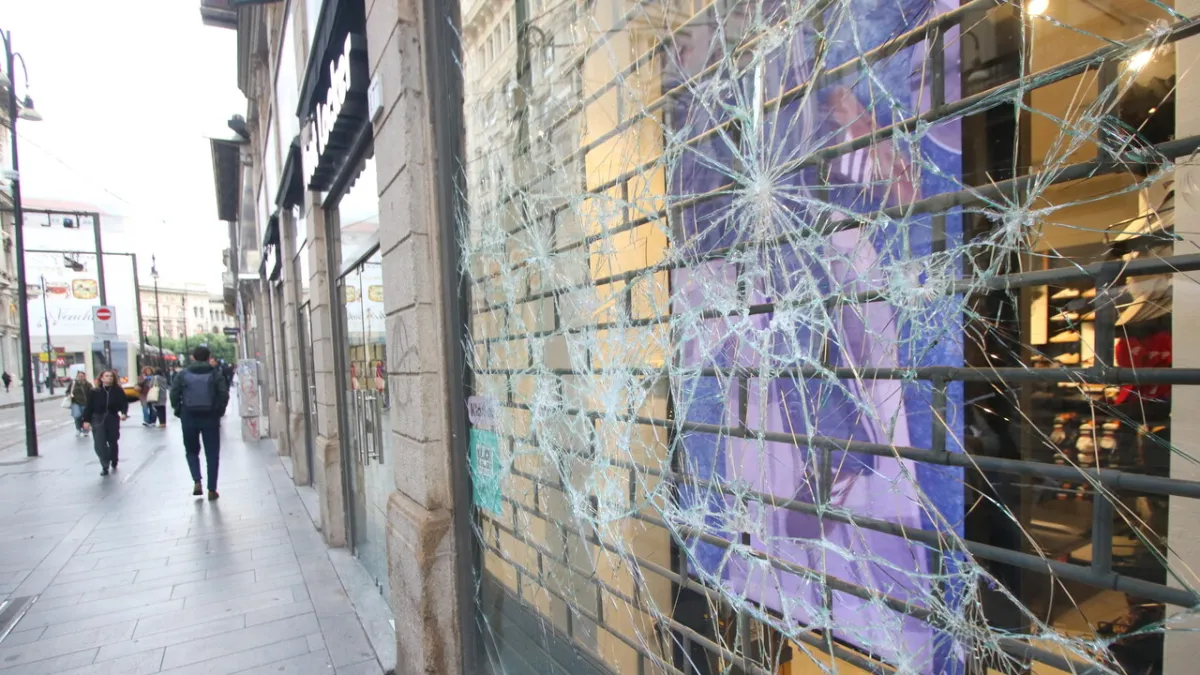
MILAN – Italian Republic President, Sergio Mattarella, has highlighted unacceptable acts of violence in Milan, urging for an in-depth analysis to understand the root causes and prevent further escalation. This strong statement comes amidst government considerations to approve a new decree law, which includes provisions for preventive detention of up to 24 hours and an increased military presence in the metropolitan area.
The widespread violence in Italy's economic capital has sparked serious concerns among political elites and the wider public. Accumulating social tensions are suspected to be one of the contributing factors to this series of disturbing incidents. Mattarella emphasized that an instant response is insufficient; a comprehensive understanding of the dynamics underlying the unrest is crucial.
The presidential office confirmed that the President has held several intensive discussions with key government officials. These talks focused on concrete steps that can be taken to restore order and ensure public safety, without compromising applicable legal principles.
During a Cabinet of Ministers (Cdm) meeting, the government is reportedly drafting a decree law that would grant greater authority to law enforcement agencies. A crucial point is the potential implementation of preventive detention for up to a full day for individuals suspected of involvement in violent acts.
The deployment of additional military personnel is also part of the government's responsive strategy. The presence of soldiers is expected to have a deterrent effect and assist the police in maintaining stability in vulnerable areas. This measure signals the state's seriousness in confronting threats to public order.
Italian political analysts and sociologists have long warned of potential social unrest due to economic disparities and migration pressures. The violence in Milan, they argue, is a manifestation of deeper structural problems, not merely sporadic incidents.
Sergio Mattarella, known as a balancing figure in Italian politics, articulated the need for a multidimensional approach. He not only demands strict law enforcement but also a social investigation to uncover the underlying factors of violence, such as youth unemployment, marginalization, and dissatisfaction with the system.
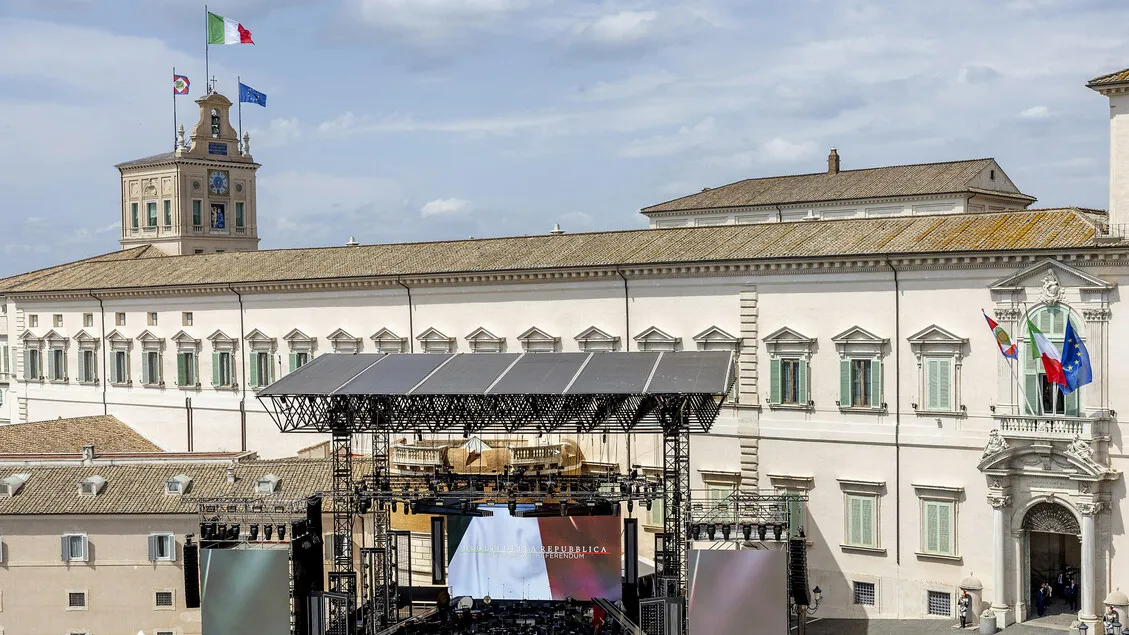
Discussions between the government and the Quirinale (the presidential palace) have been ongoing, indicating a high level of urgency. The government seeks to balance the need for swift action with caution in designing policies that do not infringe upon civil rights.
The proposed preventive detention of up to 24 hours, for instance, has become a subject of intense debate. Several human rights groups and legal experts have raised concerns about the potential for abuse of power and its impact on individual liberties. They advocate for clear limitations and stringent oversight mechanisms.
Conversely, proponents of this policy argue that emergency situations necessitate extraordinary measures. They contend that brief detention can be an effective tool for identifying instigators and de-escalating tensions before violence spreads.
Deploying the military onto the streets of Milan also sparks discussion. While many welcome it as a guarantee of security, others worry that such a move could escalate tensions and create a militaristic atmosphere within a civilian city. History shows that military deployment often proves to be a double-edged sword.
The government asserts that every step taken will be based on principles of proportionality and necessity. The primary objective is to protect citizens and property, and to restore the sense of security shaken by recurrent incidents of violence.
Mattarella's requested in-depth analysis is expected to focus not only on handling incidents but also on long-term preventive efforts. These include social programs, education, and job creation that can reduce opportunities for individuals to engage in criminal or violent acts.
This situation in Milan serves as a test of social stability and the Italian government's capacity to respond to crises. How this decree law is implemented and to what extent the in-depth analysis can yield sustainable solutions will determine the future direction of the city.
Editorial Insight: The unrest in Milan underscores the complex challenges facing many major European cities. President Mattarella's call for an in-depth analysis reflects an understanding that reactive measures alone will not solve the problem. Balancing strong law enforcement with addressing underlying socio-economic issues is key. Failure to find this equilibrium could trigger a spiral of public distrust and broader instability, potentially affecting Italy's international perception in this year of 2026.