 Debby Wijaya

MOSCOW – The Russian capital, Moscow, has once again been the target of a massive aerial assault, as Russian air defense systems successfully intercepted and shot down 205 Ukrainian drones in a large-scale operation. This recent incident marks a significant escalation in the protracted conflict, coinciding with reports of renewed bombardments on Ukraine's strategic ports in Odesa and Izmail.
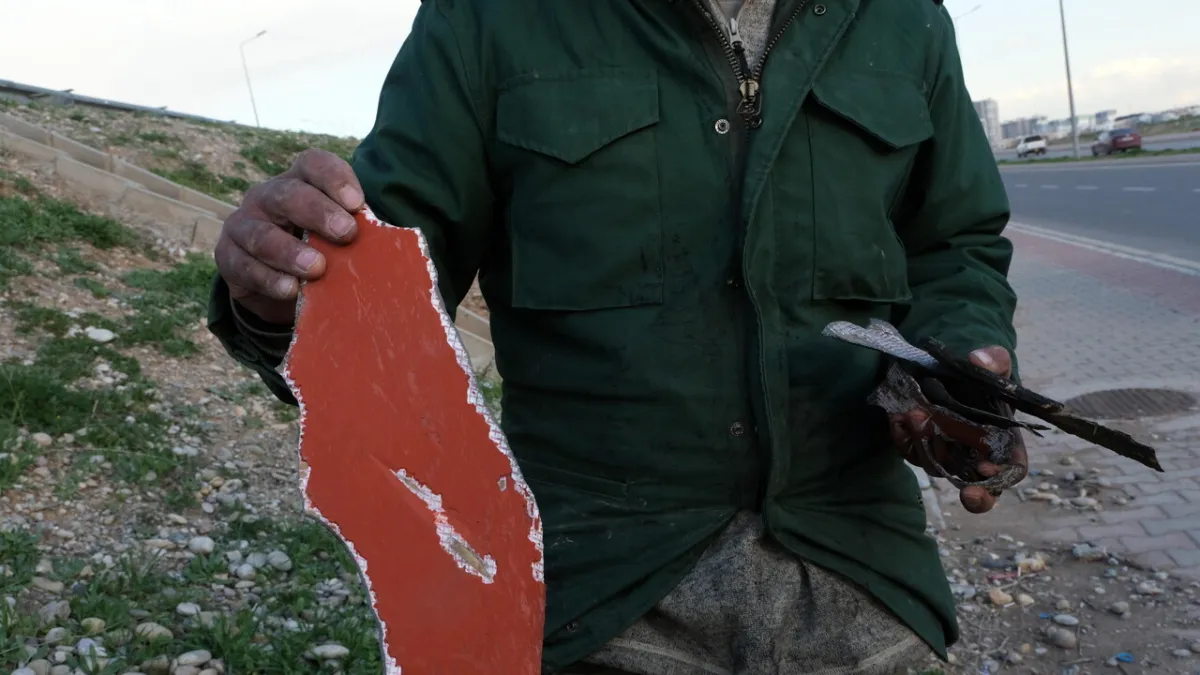
The Russian Ministry of Defense confirmed its successful handling of the drone wave approaching its airspace. These attacks illustrate Ukraine's ongoing efforts to target Russia's power centers, although the majority of the drones were neutralized before reaching their primary objectives.
Military analysts interpret this operation as a direct response, or at least a parallel action, to increasing pressure on the front lines. Kyiv, through a series of drone strikes, aims to demonstrate its capability to strike deep into Russian territory, retaliating against the continuous bombardments of its vital infrastructure.
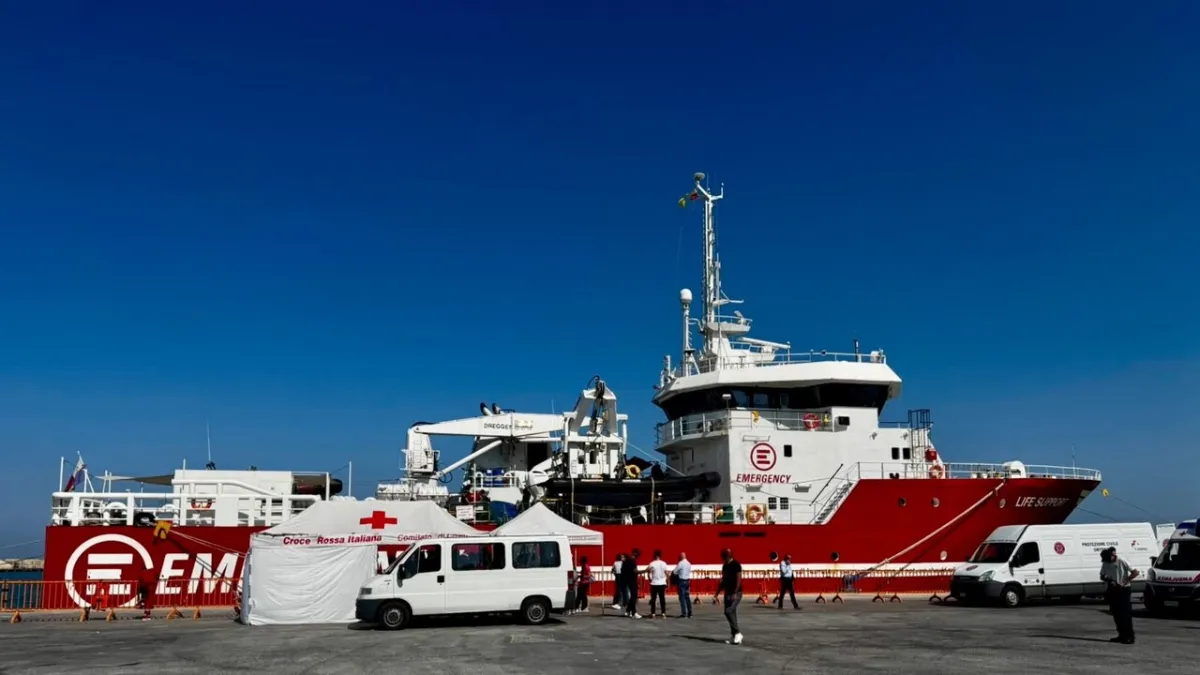
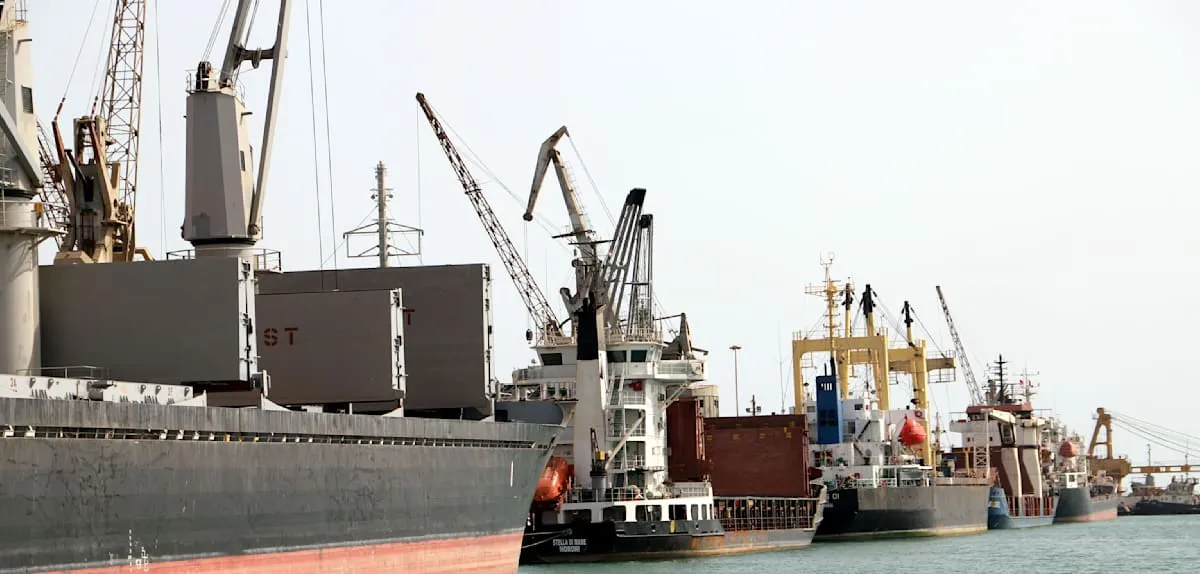
Simultaneously, tensions have soared in southern Ukraine. The port of Odesa, Ukraine's vital grain export hub, and Izmail on the Danube River, directly bordering Romania, have once again become targets of attacks. These assaults reportedly destroyed facilities and disrupted crucial shipping lanes.
The repeated shelling of these ports carries serious implications for global supply chains, particularly grain shipments. The Black Sea safe corridor initiative, which once facilitated Ukrainian grain exports, is now again jeopardized by escalating military activity in these waters.
The attacks in Izmail, strategically located on the Danube River near the border with NATO member Romania, have sparked deep regional concerns. The intense military presence in the area could potentially trigger broader incidents involving third parties.
This situation also recalls similar incidents in the past. Drone and missile attacks on major cities and Ukrainian ports have become a disturbing pattern since the conflict's outset. Each assault signifies a cycle of violence that shows no signs of abating.
Russia consistently accuses Ukraine of provocation, while Kyiv asserts that these attacks are part of its legitimate right to self-defense against the invasion. This war of narratives continues amidst the roar of aerial attacks and artillery.
The international community has called for de-escalation, but diplomatic efforts appear to be at an impasse. The UN and various humanitarian organizations have voiced deep concern over civilian impacts and the potential global food crisis arising from disruptions to grain exports.
Based on available data, the drone attack in Moscow was one of the largest in terms of intercepted units. This indicates an increase in Russia's air defense capabilities, as well as Ukraine's ambition in launching long-range attacks. See also: Wildberries Scandal: Hundreds of Ukrainian Drones Hit Moscow, Military Supply Allegations.
Security in the Black Sea remains a primary focus, given its significance as a maritime trade route and energy corridor. Coastal states and major naval powers are closely monitoring developments in the region, fearing regional instability.
This conflict has fundamentally reshaped Europe's geopolitical landscape. Russia's invasion of Ukraine and the subsequent responses have triggered shifts in alliances, increased military budgets, and intense debates over continental security.
President Donald Trump, as the leader of the United States, has repeatedly called for a peaceful resolution but also affirmed Washington's support for its European allies. Meanwhile, the European Union continues to strengthen sanctions against Russia and provide military and financial aid to Ukraine.
These developments could have long-term implications for international relations and the global security architecture. Uncertainty about when and how this conflict will end continues to be an unanswered question.
Editorial Insight: This latest escalation demonstrates that both sides still possess significant capacity to launch strikes deep into enemy territory. The downing of 205 drones over Moscow, followed by the bombardment of Odesa and Izmail, points to a dangerous tit-for-tat strategy. The focus on Ukrainian ports underscores Russia's efforts to cripple Kyiv's economy and export capabilities, which in turn could exacerbate the global food crisis. The situation on the Danube River, in close proximity to Romania, adds a layer of complexity and risk of regional escalation. Without meaningful diplomatic breakthroughs, this cycle of violence is expected to continue, with increasingly broad consequences.