 Dodi Irawan
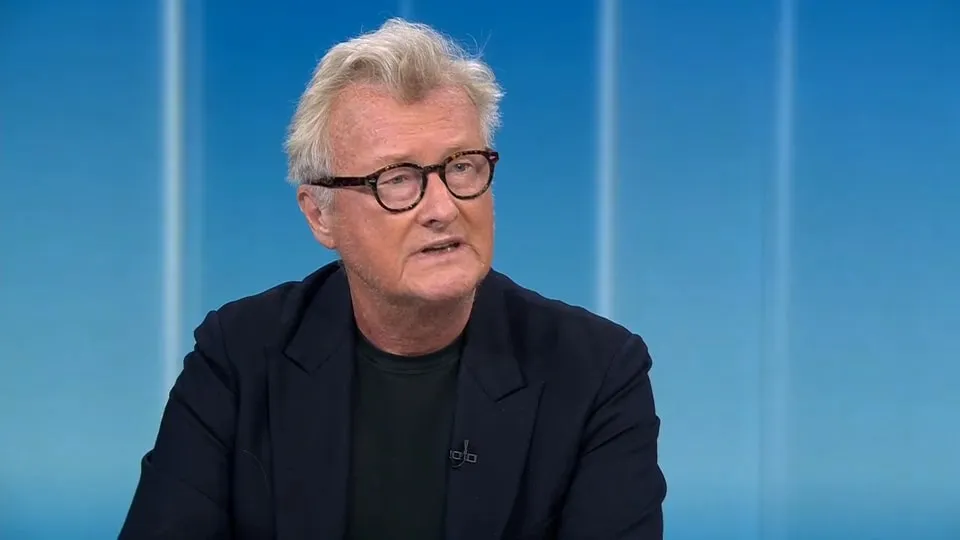
BERLIN — Deutsche Bahn surprisingly reported its first significant profit in seven years, a financial achievement that emerged immediately following the controversial dismissal of Transport Minister Patrick Schnieder in early 2026. This event has fueled widespread speculation among political observers and journalists, with senior columnist Hans-Ulrich Jörges explicitly pointing to a "small intrigue within the Merz's power system."
The astonishing profit announcement from the German national railway company comes amidst a challenging period for the European transport sector. Financial reports show a substantial increase in net profit, ending a streak of losses that had been under public and political scrutiny for nearly a decade.
The timing of this announcement, coinciding precisely with Schnieder's removal from office, has raised a wave of questions. Patrick Schnieder, whose tenure was marked by various challenges, including infrastructure project delays and criticism over operational management, was suddenly dismissed without a comprehensive public explanation.
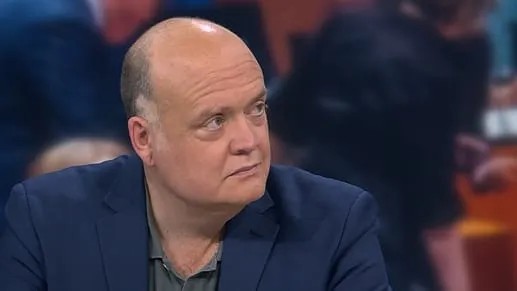
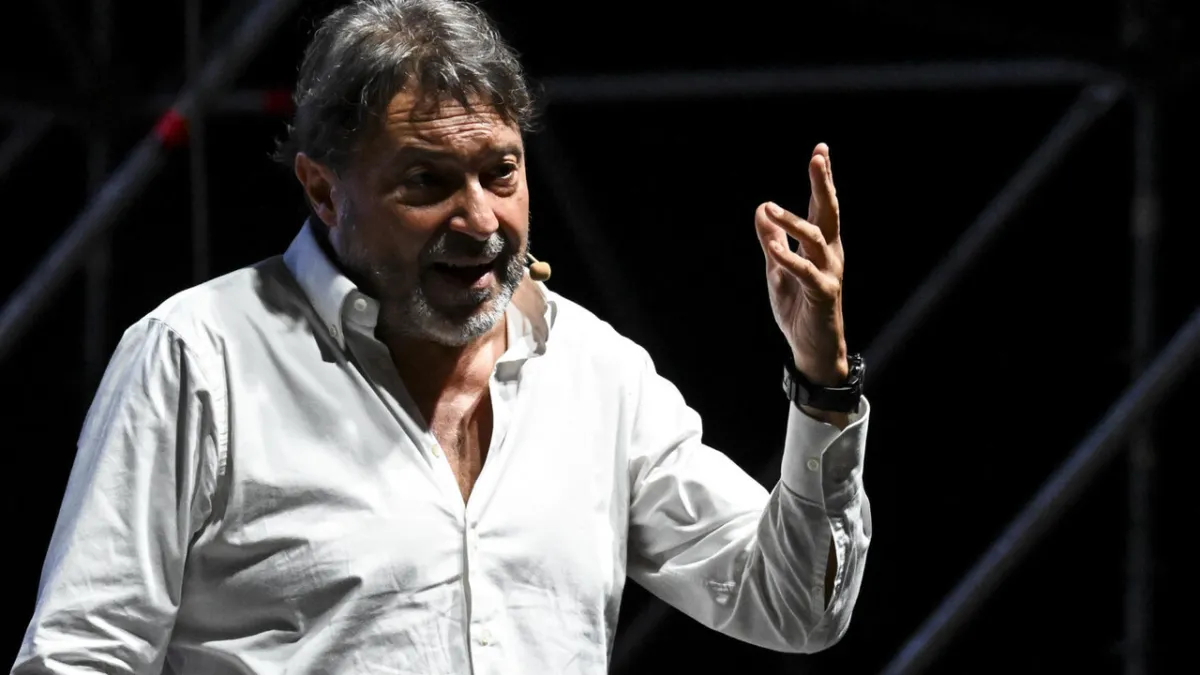
Hans-Ulrich Jörges, an experienced columnist known for his sharp analysis of the German political landscape, did not hesitate to voice his suspicions. In his commentary, he hinted that Deutsche Bahn's sudden profit was no mere coincidence, but rather part of a larger scenario.
"I believe that was a small mess from the Chancellery," Jörges stated, affirming that there was a hidden agenda. The term "Merz's power system" refers to the strong influence of Friedrich Merz, Chairman of the Christian Democratic Union (CDU), who is known as one of the most powerful figures in German politics today, even though he is not the Chancellor.
The correlation between a minister's dismissal and a state-owned company's profitability surge raises red flags for governmental integrity. Some political analysts suggest that Schnieder's dismissal might have been a strategic move to pave the way for restructuring or new policies designed to improve Deutsche Bahn's image.
Deutsche Bahn has struggled with financial and operational challenges for many years. From expensive network upgrades to significant investments in new technology, the company has frequently been a target of public criticism. The profit now achieved, after years of losses, indeed warrants questioning its context.
The German Chancellery, as well as representatives of Friedrich Merz, have yet to provide an official response to Jörges' allegations. However, this silence only adds fuel to the growing fire of speculation, especially on social media and political discussion forums.
Debates surrounding the governance of state-owned companies and political intervention are not new in Germany. This case reminds the public of the urgency of reforms once discussed, such as Germany's Pension Reform on the Brink, which also illustrates the complexity of decision-making at the political elite level.
This situation also has the potential to influence political dynamics leading up to the next general election. If these allegations of intrigue prove to have a basis, public trust in government institutions could be significantly eroded.
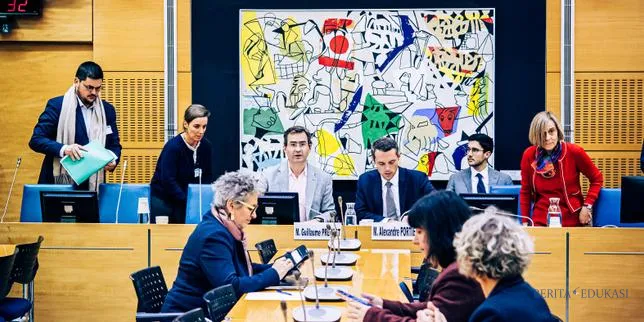
The Federal Parliament's Transport Committee is expected to discuss these developments soon. Full transparency from Deutsche Bahn and the Chancellery is crucial to de-escalate tensions and restore public confidence.
As responsible journalism, we will continue to monitor the progress of this case, seek new facts, and provide a platform for all parties involved to explain their positions. Public accountability is the cornerstone in unraveling the mystery behind Deutsche Bahn's profit and the minister's dismissal.