 Angela Stefani
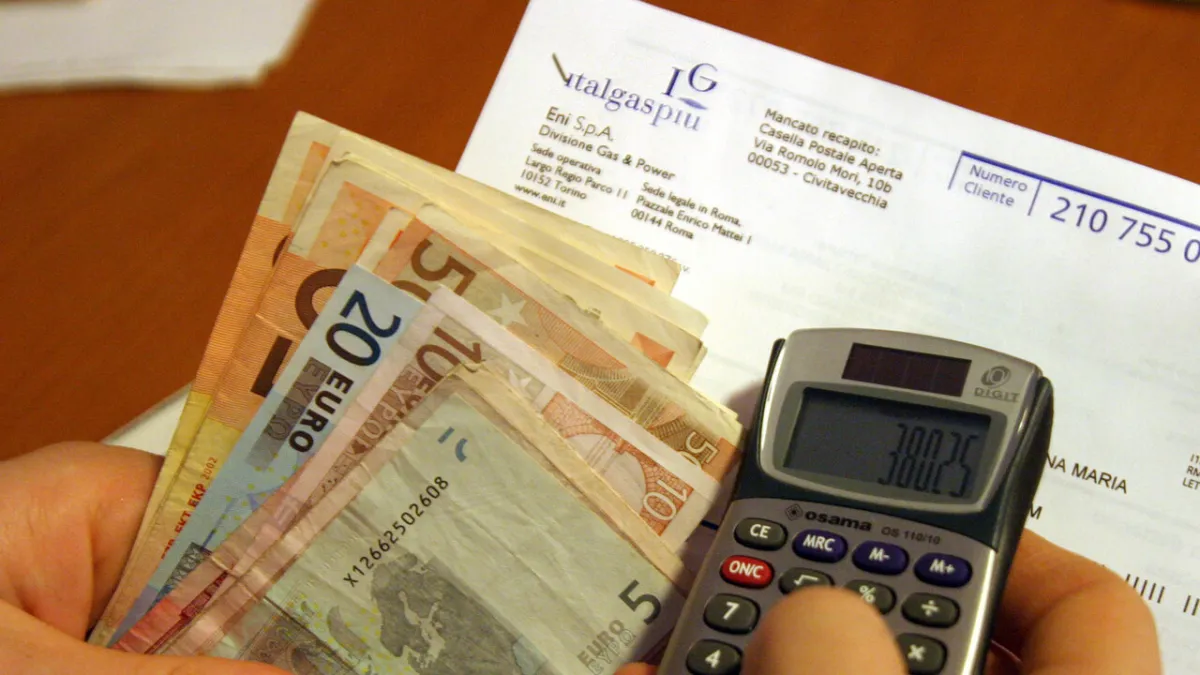
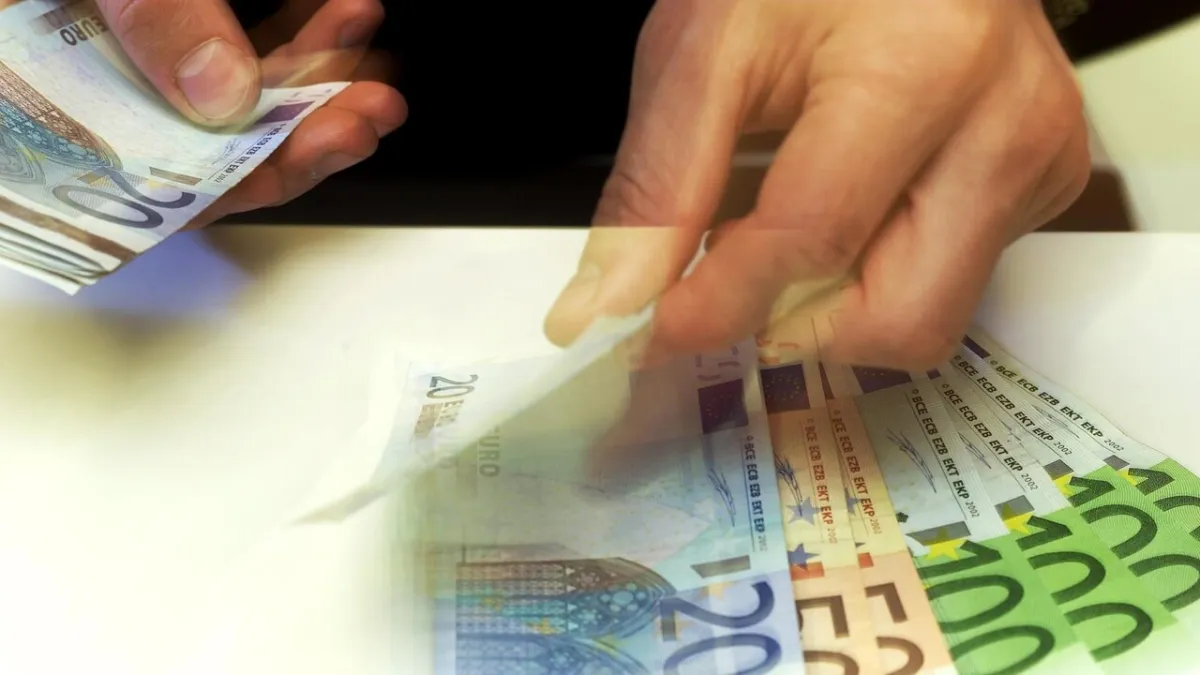
ROME — A simmering conflict in the Gulf region, frequently referred to as a new “Gulf War”, is projected to burden Italian families with an additional 29 billion euros in energy costs in 2026. The Association of Artisans and Small Businesses (CGIA) in Mestre reported that a significant increase in fuel, electricity, and gas prices is the main driver of this economic strain, threatening household purchasing power nationwide.
CGIA's in-depth analysis highlights that this financial impact is equivalent to a colossal loss for millions of Italian families. The 29 billion euro figure reflects a continuous escalation in the cost of living due to geopolitical turmoil far from Europe but with global resonance.
The primary cause of this cost surge is instability in major oil-producing regions and vital shipping lanes. The conflict disrupts supply, fuels market speculation, and ultimately drives international crude oil prices to alarming levels. This escalation exacerbates Europe's vulnerability to energy market fluctuations.
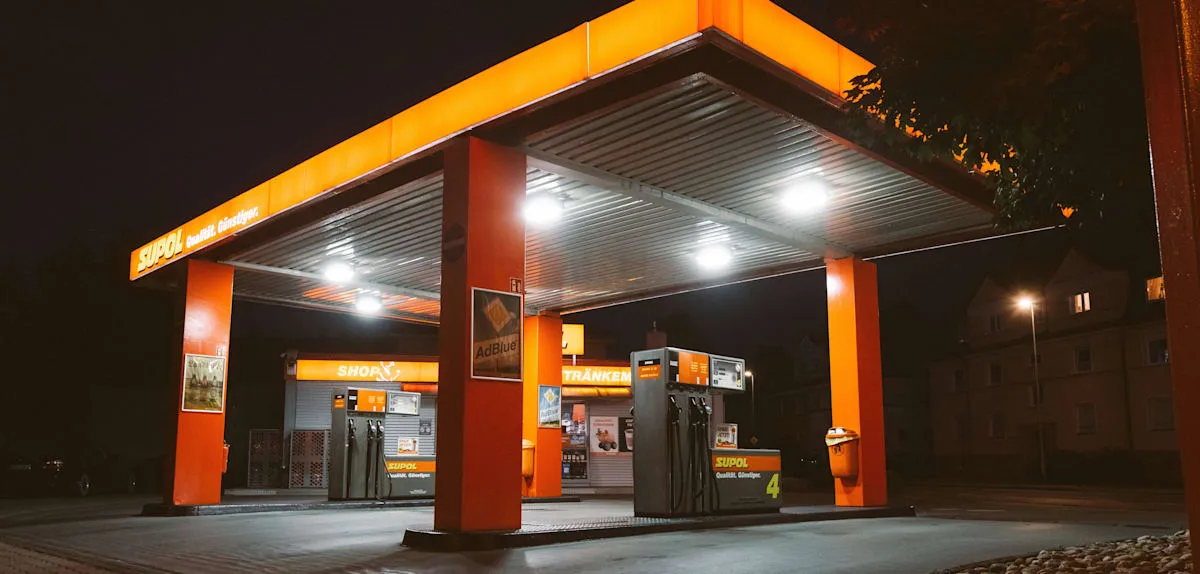
Specifically, the largest increases are anticipated in gasoline and diesel prices. Consumers will directly feel this impact every time they refuel their vehicles, leading to sharply increased transportation costs for both individuals and the logistics sector, which is crucial for the economy.
Furthermore, household electricity and gas tariffs are also unavoidable from price surges. Italy's reliance on gas imports, particularly from regions affected or connected to conflict supply routes, makes the country highly susceptible to market shocks.
The implications of these increases extend far beyond monthly bills. Inflation will experience significant pressure, reducing public purchasing power, and potentially curbing national economic growth. Small and medium-sized businesses, the backbone of the Italian economy, will also face challenges of higher operating costs.
According to an official statement from CGIA Director, Giuseppe Bortolussi, “This energy crisis is no longer a hypothetical threat; it is a bitter reality we are facing in 2026. Without significant intervention, many families will fall into energy poverty, an intolerable condition in one of Europe's developed nations.” He added that the government must formulate more robust long-term strategies.
The Italian government faces a delicate dilemma between maintaining fiscal stability and protecting its citizens from external economic shocks. Various mitigation options, such as energy subsidies or tax reductions, are under serious consideration, although their implementation is fraught with challenges and potential market distortions.
This situation is also consistent with the broader energy challenges sweeping across the European continent. The global energy crisis, partly triggered by situations like the Iran conflict, has led to Germany's winter being threatened by severe inflation, demonstrating how interconnected global energy markets are.
Moreover, the social impact of these price increases should not be underestimated. Low-income families and pensioners will be the most vulnerable groups, facing difficult choices between meeting other basic needs or paying inflated energy bills.
The long-term outlook demands that Italy accelerate its transition to renewable energy sources and improve energy efficiency. This strategy is not merely a response to the crisis but a vital investment for economic resilience and environmental sustainability in a more stable and energy-independent future.