 Demian Sahputra
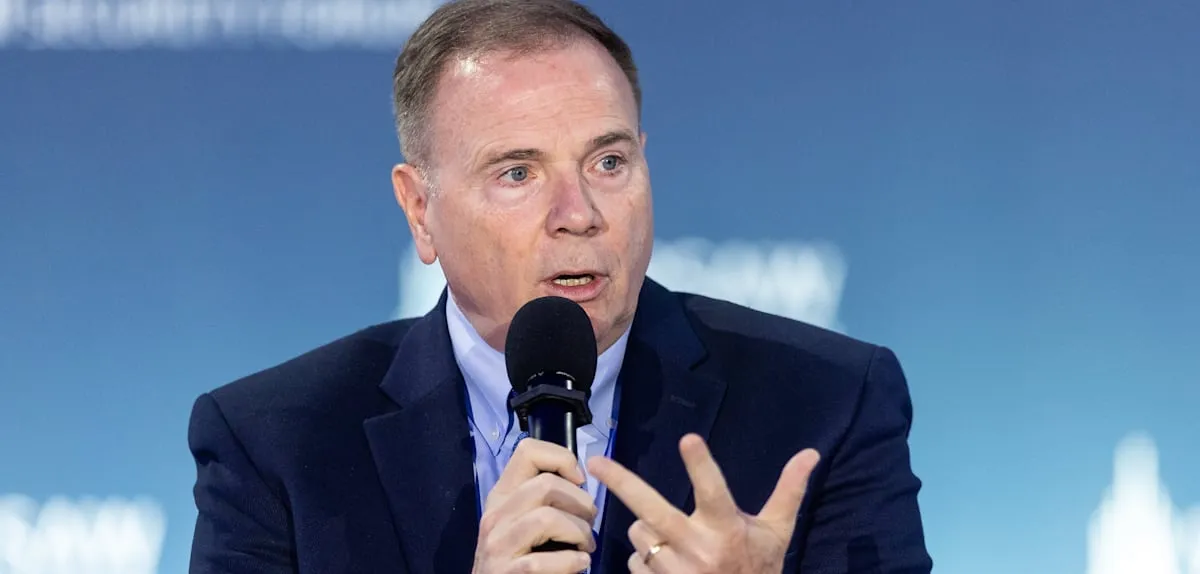
WASHINGTON – Former Commanding General of U.S. Army Europe, Ben Hodges, has explicitly stated his conviction that Russia will continue its military expansion, but in a completely different form compared to the conflict in Ukraine. This striking assertion was made during an exclusive interview, where he elaborated on his sharp analysis of President Vladimir Putins true ambitions and potential strategies to counter this threat in 2026.
Hodges, a retired three-star general with extensive experience in European military strategy, emphasized that the world must brace for unexpected escalations. According to him, Moscow will not halt at current borders but will persistently seek geopolitical advantages through armed force.
That would be a completely different kind of war than the one in Ukraine, Hodges remarked, stressing that future scenarios might not involve similar large-scale ground invasions. He indicated that the focus could shift to other areas, utilizing asymmetric tactics, or targeting critical infrastructure in unprecedented ways.
Hodges analysis highlights that Putins objectives extend far beyond mere territorial gains in Ukraine. He perceives the Kremlins ambition as a systematic attempt to dismantle the post-Cold War European security order, erode NATOs credibility, and re-establish a broader Russian sphere of influence.
The increasingly complex geopolitical context of 2026, marked by tensions across various regions, provides a foundation for Hodges projections. Great power competition is intensifying, and diplomatic capabilities are frequently tested amidst ever-present military ambitions.
Regarding efforts to halt Russian expansion, Hodges underscored the importance of Western alliance cohesion and substantial investment in defense. The only thing that can stop Putin is credible military power and unwavering political resolve, he explained, referring to the necessity of enhancing European nations defense capabilities and transatlantic solidarity.
Hodges specifically mentioned that a robust response to provocations, alongside sustained and effective economic sanctions, are crucial elements in a deterrence strategy. Without constant pressure, Putin will perceive opportunities to advance his agenda.
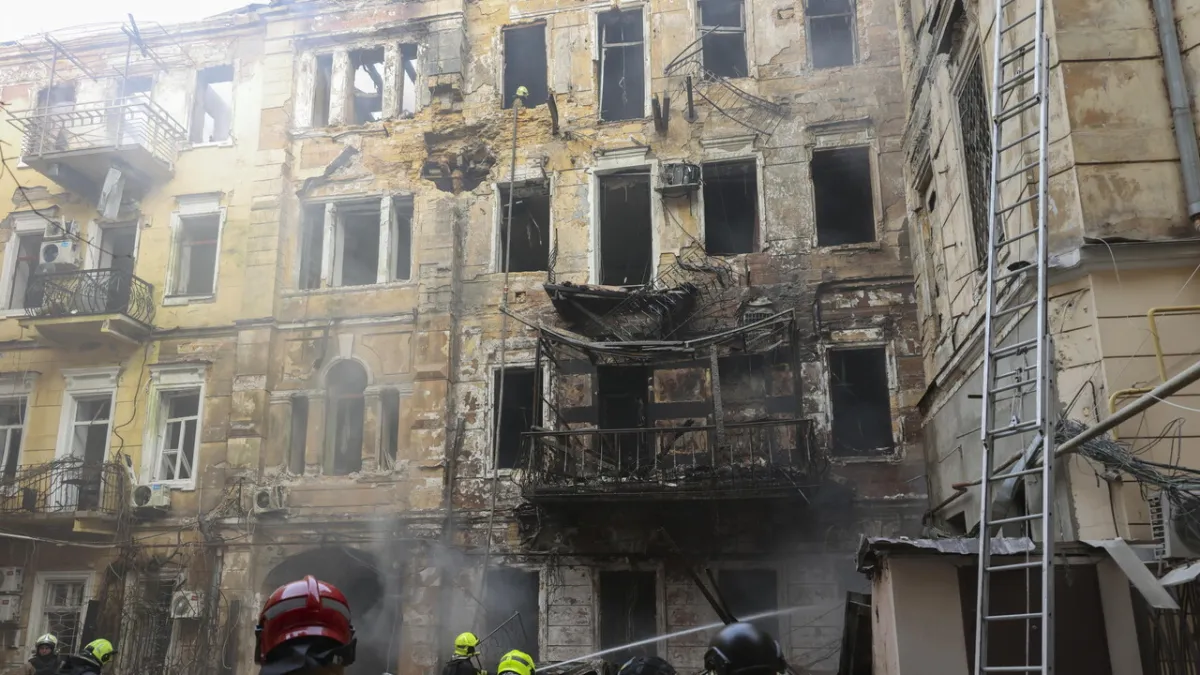
The potential targets of Russian expansion, according to some observers, could include the Baltic regions or even neighboring Eastern European countries, sparking serious concerns about a broader conflict. Similar issues were highlighted in the related news item Kremlins Threat: Russian Missiles Ready to Strike UK Bases Aiding Ukraine, which depicts Russias aggressiveness towards military bases supporting Ukraine.
The role of the United States, under President Donald Trumps leadership, alongside European allies, is vital in confronting this challenge. Hodges asserted that clear and firm signals from Washington would be a decisive factor in shaping the Kremlins strategic calculations.
Therefore, Hodges called for collective preparedness. European nations need to increase defense budgets, strengthen military interoperability, and develop adaptive strategies against the evolving threat from Moscow. It is no longer merely about reacting but about deterring.
Ben Hodges perspective serves as a stark warning that Europe and the world stand on the brink of a new era of confrontation demanding a rethinking of global defense and security strategies. The envisioned threat is a war more cunning, more diffuse, and potentially more devastating than what has been witnessed on the battlefields of Ukraine.
Editorial Insight: Ben Hodges statements are not mere speculation but a reflection of a deep understanding of Russian military doctrine and the Kremlins behavioral patterns. His prediction of a different kind of war indicates a tactical shift from conventional to hybrid or asymmetric warfare, which is much harder to anticipate and counter. Europe must seriously consider the implications of this scenario, not only in terms of military readiness but also in aspects of cyber, information, and economic resilience, given that Putin is likely to exploit every vulnerability. The continuity of Western solidarity is the main key to maintaining regional stability.