 Angela Stefani

ROME – The endeavor to halt the rapid progression of Artificial Intelligence (AI) is a utopian notion, impossible to realize. This firm perspective comes from technology expert Greco, who emphasizes the necessity of pragmatism and a robust regulatory framework to manage risks and maximize opportunities presented by this technology in 2026.
Greco asserts that the risks posed by AI technology are as concrete as the opportunities it offers. Therefore, the required approach involves pragmatism coupled with clear rules, rather than through a speculative and globally unfeasible development pause.
The swift pace of innovation in the AI sector has ignited an inevitable global race. Various nations and tech giants relentlessly compete to develop increasingly sophisticated AI systems, ranging from machine learning to advanced automation. Halting this process simultaneously is nearly impossible.
The idea of temporarily pausing AI development, occasionally voiced by some parties, is deemed 'velleitaria' or merely wishful thinking. Global economic and geopolitical dynamics render such a collective pause impractical and unrealistic.
The risks accompanying AI growth are indeed multidimensional. Threats to data privacy, potential for mass disinformation, and labor market disruption are valid concerns demanding serious attention from all stakeholders.
However, AIs transformative potential cannot be overlooked. From developing new medicines, optimizing industrial efficiency, to enhancing public services, AI offers innovative solutions for complex global challenges.
Therefore, Greco advocates shifting focus from suppressing innovation to building 'greater guarantees.' This encompasses developing stringent AI ethics standards, clear accountability mechanisms, and transparency in algorithms.
The establishment of 'clear rules' becomes imperative. Regulators need to formulate adaptive legal frameworks, capable of responding to technological advancements without stifling innovation. This includes setting limits on AI use in sensitive sectors and consumer protection.
Regulatory disparities at the global level present a unique challenge. Each country adopts a different approach, potentially creating loopholes for unsupervised AI development. International coordination is key.
Some experts even caution against exaggerated claims regarding AI capabilities. As highlighted in the article World's Fiercest AI: Experts Warn of Dangers of Exaggerated Claims, unrealistic expectations can obscure real risks.
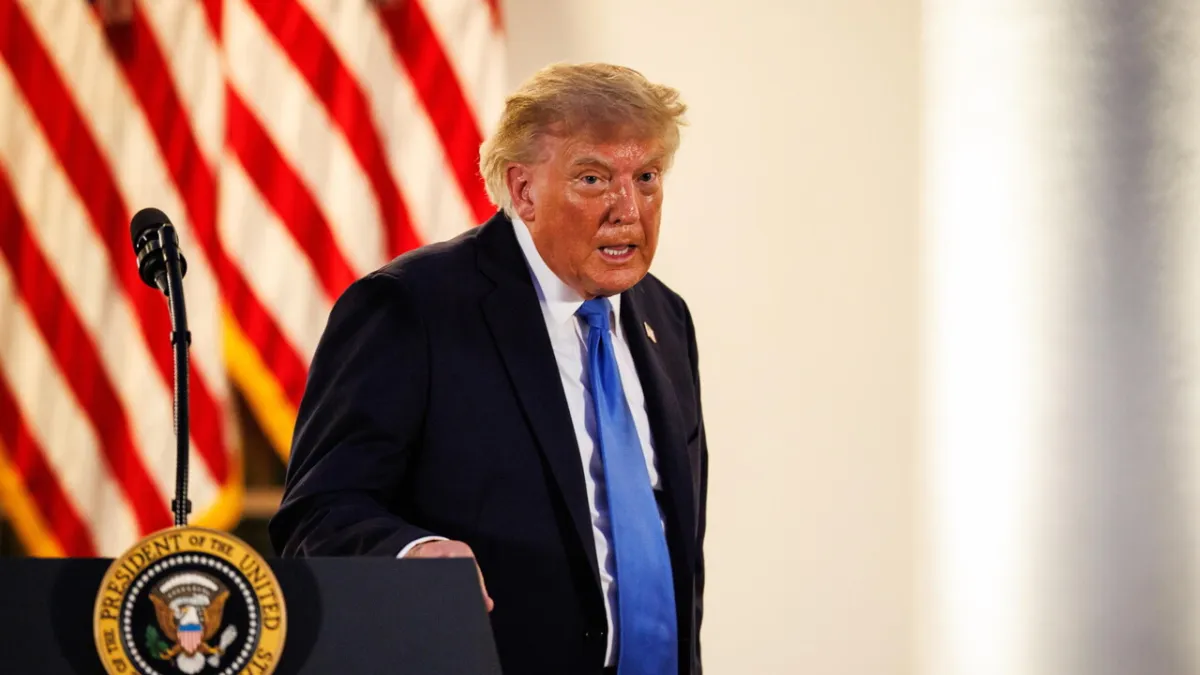
In the global political arena, the issue of AI control is also heating up. President Donald Trump, for instance, once claimed the US as the sole controller of AI, which sparked a response from China. This dynamic illustrates the complexity of technology governance, which is not only technical but also geopolitical. Further reading can be found in Trump Claims Sole AI Control; China Calls for Easing Global Panic.
Furthermore, AIs impact on the labor market and economy is also under scrutiny. Questions about how to maintain the human market as AI becomes more dominant, as reviewed in the article Tech Moguls Pump Brakes on AI: Wealth Threatened Without Human Market?, demand strategic solutions from governments and industries.
Governments worldwide, including Indonesia under President Prabowo Subianto, are expected to take proactive steps. Establishing dedicated AI oversight bodies or integrating AI regulations into existing legal frameworks are options worth considering.
Building a solid framework does not mean stifling progress. On the contrary, wise regulation can foster responsible and ethical innovation, ensuring that AI develops for the broad benefit of humanity.
Discussions surrounding American Artificial Intelligence Rights Movement, Do Chatbots Have Consciousness? also highlight the philosophical and ethical dimensions of AI development, affirming that the debate about AI extends far beyond mere technical aspects.
Greco emphasizes the importance of cross-sector collaboration, involving scientists, policymakers, industry, and civil society. This holistic approach is essential for creating a safe and beneficial future for AI for all.
Editorial Insight: Greco's statement underscores an unavoidable reality: AI's progress cannot be halted, thus the focus must shift to risk mitigation and benefit optimization. The biggest challenge lies in the global community's ability to agree on uniform ethical standards and regulatory frameworks. Without cross-national coordination, domestic efforts may only be patchwork and less effective. This requires strong political leadership and a shared commitment to fostering a responsible AI ecosystem.