 Chandra Wijayanto
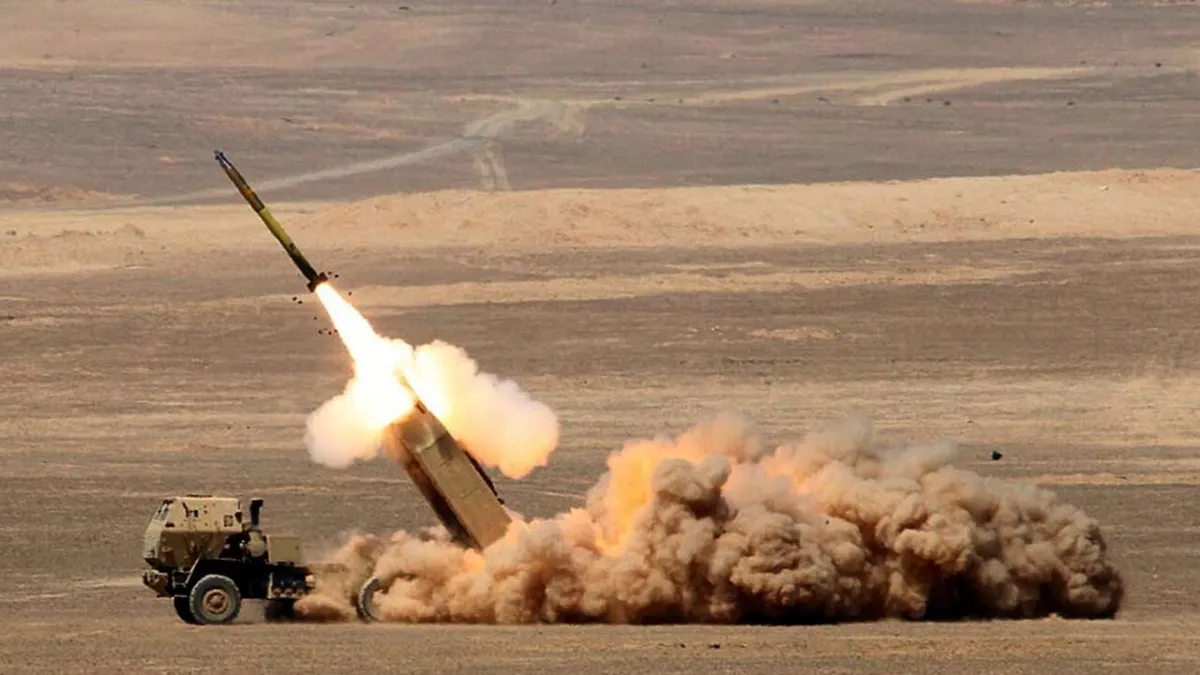
WASHINGTON – The Pentagon has decided to extend the deployment of tens of thousands of United States troops in various strategic regions until 2027. This significant decision, reported by The Wall Street Journal, will substantially provide President Donald Trump crucial military and geopolitical flexibility amidst a continuously turbulent global landscape. This extension affirms Washington's long-term commitment to regional stability and its national security interests.
The exclusive WSJ report highlights that approximately 50,000 soldiers will remain in unspecified operational areas, generally referring to regions that have historically been hotspots or of strategic importance to the United States, such as the Middle East, Eastern Europe, and the Indo-Pacific. The operational flexibility offered by this large contingent is deemed vital by the White House.
This extension decision is not without precedent. Previous administrations often faced dilemmas regarding the withdrawal or extension of missions in various parts of the world. However, with Trump back in office, an emphasis on strength through presence appears to have become the primary doctrine of US foreign and defense policy. This also demonstrates an adaptive strategy to evolving threats.
Foreign policy analysts view this move as a strong signal to both allies and competitors. For allies, it is an assurance of American support; for competitors, it is a warning about Washington's military readiness to defend its interests. The extension of these military personnel's tours of duty will ensure the continuity of counter-terrorism operations and training with local forces.
Furthermore, a significant troop presence until 2027 will enable the United States to respond more effectively to sudden crises. For instance, escalations in the South China Sea or potential conflicts in Europe can be addressed swiftly without the time-consuming process of redeployment. This is an invaluable strategic advantage.
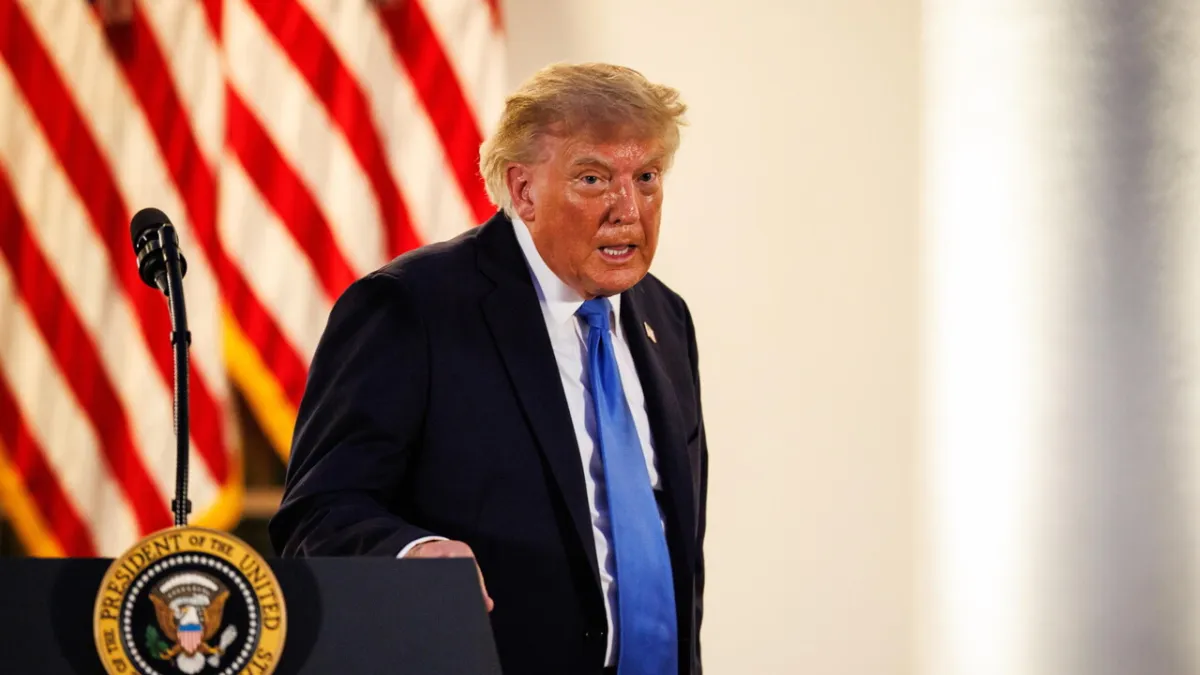
President Donald Trump himself, known for his firm leadership style in foreign affairs, likely sees this decision as a crucial instrument for asserting American influence. A strong military presence forms the foundation for effective diplomacy, allowing Washington to negotiate from a more convincing position of strength.
An unnamed Pentagon official stated, This number of troops is not just about figures; it's about our ability to respond quickly and effectively wherever a crisis emerges. It's an investment in our national security and global stability.
The financial implications of this deployment extension will certainly be a concern for Congress. However, given the security priorities emphasized by the Trump administration, defense budgets will likely be allocated to support the continuation of this mission. Discussions on the efficiency and effectiveness of public fund utilization will become a hot topic.
This decision also has the potential to affect domestic political dynamics in the United States, especially ahead of the next election cycle. A president's ability to demonstrate resolve and protection of national interests often garners strong public support, despite criticisms regarding costs and potential prolonged involvement.
Nonetheless, with this extension, Washington clearly states its intention to remain a dominant actor on the geopolitical stage. The flexibility provided by these 50,000 troops allows for various strategic options, from deterrence efforts to direct intervention, depending on global needs and developments.
Editorial Insight: The extension of US troop deployment until 2027 reflects President Trump's pragmatic approach, prioritizing military strength as a pillar of foreign policy. This move is not only to address current security threats but also serves as an effective diplomatic bargaining tool amidst global power competition. However, the long-term implications for financial burden and potential involvement in regional conflicts require continuous in-depth study.