 Debby Wijaya
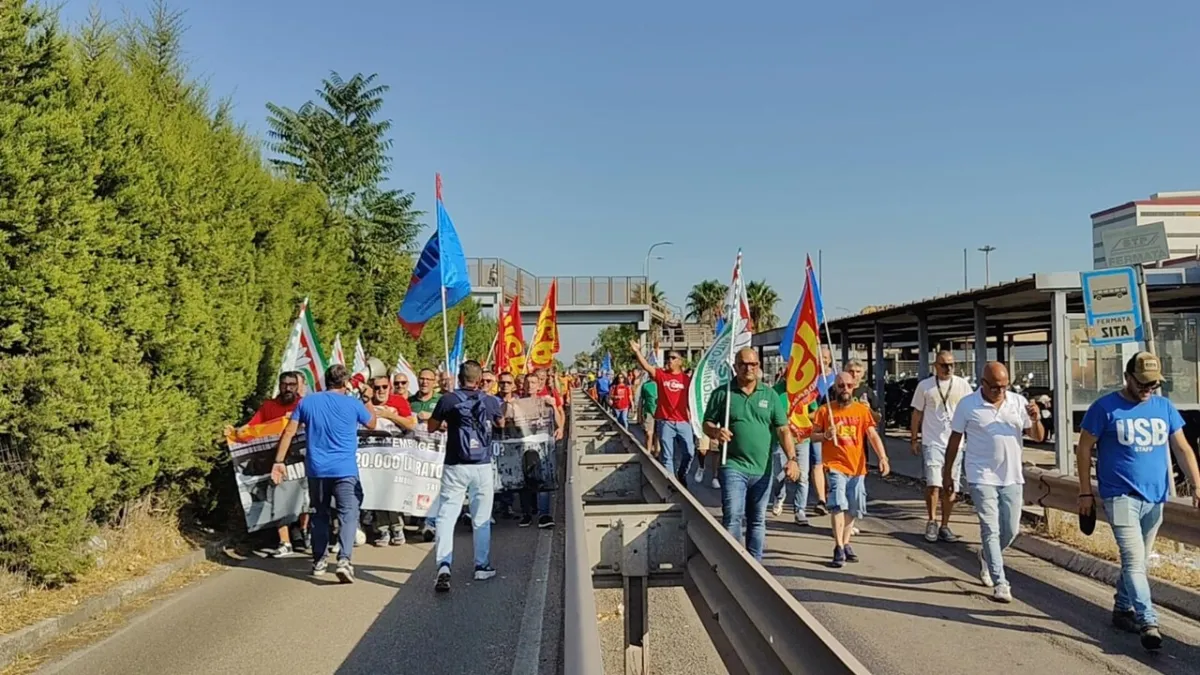
ROME – A staggering 2,500 workers from industries linked to the former Ilva steel plant in Italy now face a harsh reality after receiving mass dismissal letters. This drastic step, occurring in 2026, has ignited social and economic unrest in the affected regions, following a severe lack of adequate planning to ensure the operational continuity of these companies and the livelihoods of their employees. The situation is a direct consequence of a profound failure in long-term strategy.
Labor unions and representatives of Ilva's partner companies have expressed deep disappointment over this outcome. They cited an industry representative's statement that, 'Reached this point due to the total absence of reasonable planning that could have secured our companies,' highlighting a profound failure in long-term strategy. They emphasize that the crisis is not merely about statistics but profoundly affects the lives of thousands of individuals now adrift without certainty.
The Ilva steel plant, located in Taranto, has long been a symbol of controversy in Italy, grappling with environmental, health, and economic issues. Ownership transitions and protracted operational problems have led to instability throughout the supply chain and ancillary companies (indotto) heavily reliant on Ilva's operations. These layoffs represent the culmination of a series of unresolved issues.
The decision to issue these dismissal letters has fueled anger among workers and labor unions who have for months called for government intervention. They argue that the government has failed in its role to protect jobs and formulate concrete solutions. Waves of protests are anticipated across various industrial cities in Italy, given the massive scale of these layoffs.
To date, the government's response to this mass layoff crisis remains unsatisfactory for the workers. Numerous high-level meetings have been held, yet have yielded no concrete results to prevent this wave of job losses. Relevant ministers appear to be struggling to find a mutually acceptable solution, especially amid persistent global economic pressures in 2026.
The ramifications of these layoffs are predicted to ripple through other economic sectors. Consumer purchasing power will decline, unemployment rates will surge, and investor confidence in Italy's labor market stability could erode. This situation adds to the long list of challenges faced by the European Union in managing industrial restructuring, echoing cases such as Volkswagen's reform affecting 50,000 workers.
Beyond the economic impact, this crisis also possesses serious social dimensions. Thousands of families will lose their primary source of income, potentially leading to increased poverty and other social problems. Cities surrounding the former Ilva area risk stagnation, even decline, due to a potential labor exodus and the loss of local economic impetus.
Labor unions are demanding that the government immediately formulate a concrete action plan, including retraining programs, financial assistance, and new investments to create alternative employment opportunities. Without strong intervention, they fear this crisis will set a grim precedent for the future of industry and labor in Italy.
Editorial Insight: The mass layoffs in industries connected to the former Ilva plant highlight the fragility of long-term industrial planning in Italy and the wider European Union. Failures in anticipating structural economic and environmental shifts, coupled with slow political responses, have created a social time bomb. The government must act swiftly not only to mitigate the immediate crisis but also to formulate an adaptive and sustainable industrial vision, preventing the recurrence of similar tragedies. Without robust political commitment, thousands of workers will continue to be victims of poorly managed economic transitions.