 Debby Wijaya
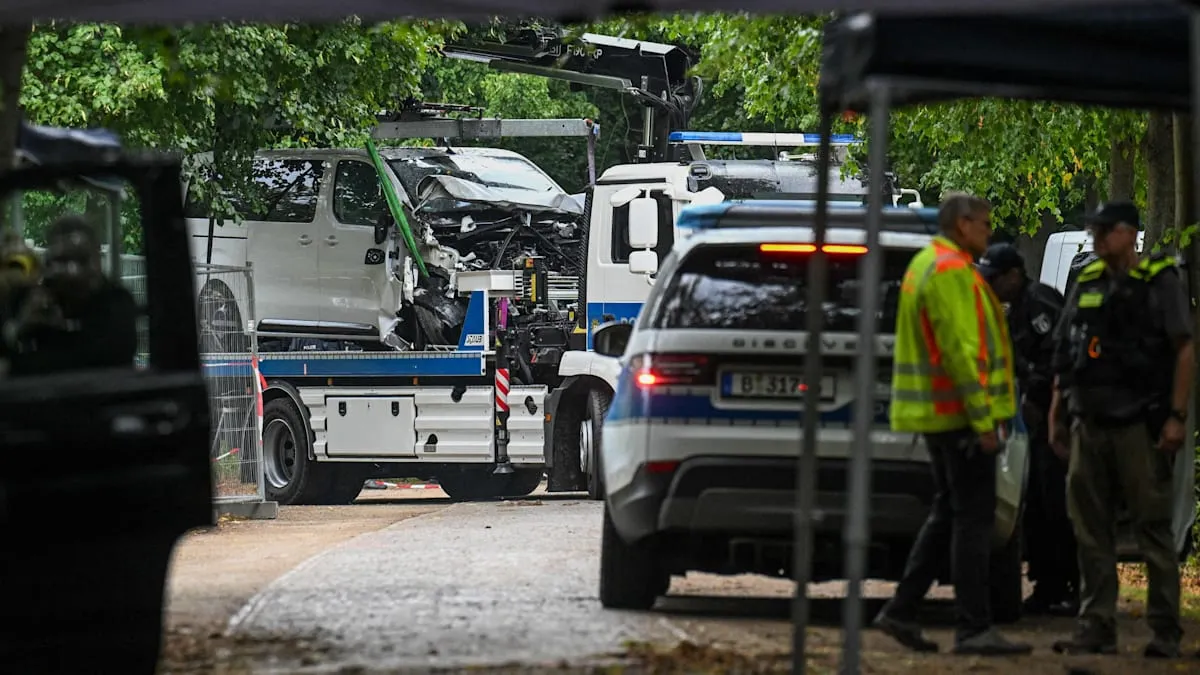
BERLIN — Following the shocking attack that marred the Christopher Street Day (CSD) celebrations in Berlin in 2026, Manuel Ostermann, a prominent police unionist, issued a resolute demand for the German government to immediately implement concrete measures against the threat of Islamism. Ostermann emphasized that rhetoric alone is no longer sufficient; instead, drastic steps are required, including the 'withdrawal of specific individuals from the public sphere' deemed a danger to national security.
This fierce condemnation emerged amidst public grief and anger in the aftermath of the terror attack, which targeted a symbol of freedom and diversity in the German capital. The incident, having caused profound unease, compelled authorities to re-evaluate their current strategies for combating radicalism.
According to Ostermann, figures promoting extremist ideologies 'should have been withdrawn from public attention a long time ago'. His statement highlights a systemic failure to identify and neutralize dangerous individuals before they could pose a real threat to the wider community.
The tragic incident at Berlin CSD 2026 is not an isolated event. For some time, Germany has indeed faced increased vigilance concerning Islamist terror threats, which had even haunted the preparations for CSD itself. These fears, unfortunately, proved to be a bitter reality.
The police union urged the government to abandon an overly cautious approach. “This is no longer about normative rhetoric or statements of state support. Something is happening beyond that,” Ostermann stated, stressing the urgency of real action that transcends conventional political pronouncements.
His comments implicitly point to the slow response or policies perceived as lacking firmness in addressing the root causes of Islamism in Germany. The failure to protect CSD 2026 from terrorist attacks has triggered serious questions about who is responsible for these security gaps.
Security experts have repeatedly warned the government about the danger of Islamism lurking in Germany. They have called for comprehensive reforms in intelligence and law enforcement systems to effectively combat radical cells operating domestically.
Ostermanns demand also resonates with serious discussions to stop downplaying Islamist threats following the incident. The public demands clarity on why suspected CSD terrorists could roam free and how these security gaps will be closed.
This situation has brought forth a German security scandal that the public continues to question. A crucial question arises: how can an individual with the potential to be a serious threat escape strict surveillance by security forces?
Responding to these calls, the German government now faces immense pressure not only to identify the perpetrators behind the CSD attack but also to formulate a more aggressive and proactive long-term strategy to eradicate Islamism. The public awaits assurance that similar tragedies will not recur in the future.
The measures proposed by Ostermann include strengthening anti-terror laws, enhancing cooperation between intelligence agencies, and implementing more effective deradicalization programs. This is a comprehensive response expected to rid Germany of the threat of extremism.
This incident also serves as a bitter reminder that a nation's security depends not only on military strength but also on its ability to identify and address ideological threats evolving within society. Berlin stands at a crossroads, where the choice between rhetoric and action will determine its future.
Investigations into the CSD attack are ongoing. Authorities promise to bring all responsible parties to justice, while calls for security reforms are growing stronger from various sectors, including from within law enforcement itself.
The police union believes that a firmer approach can prevent future tragedies, including by taking preventive measures against individuals proven to have affiliations with or spread radical ideologies. This is not just a legal matter, but also a matter of protecting the core values of German society.