 Debby Wijaya
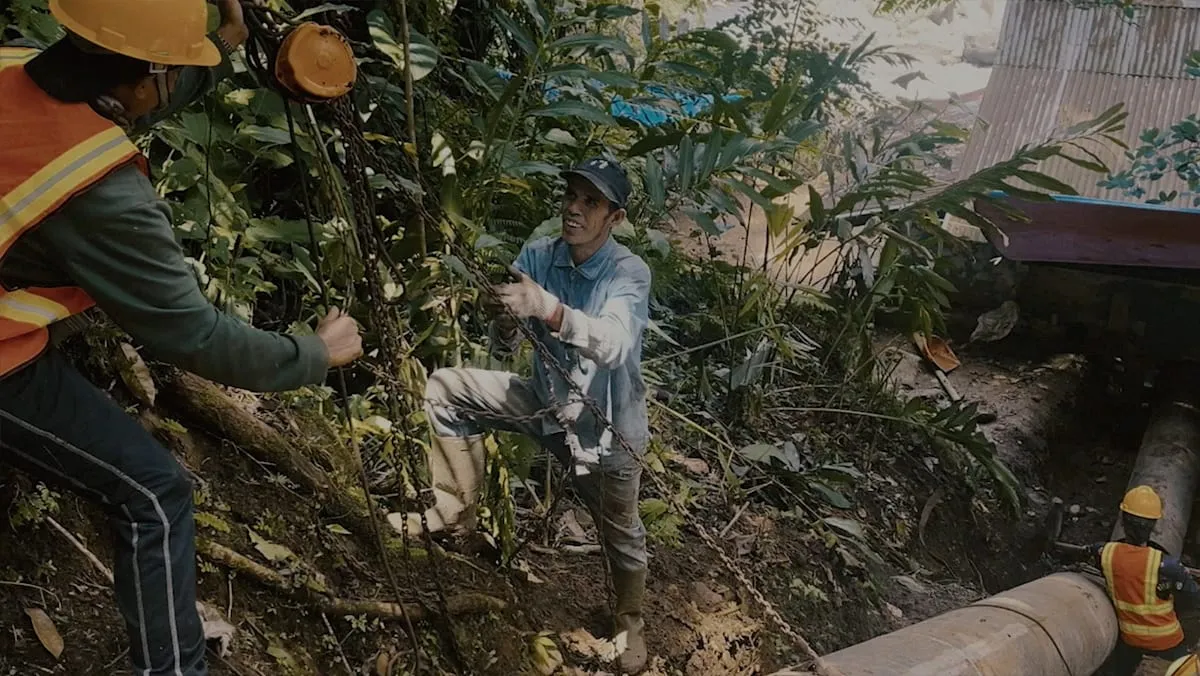
JAKARTA – Innovative initiatives launched by Grab in 2026 have successfully proven that nature protection is not merely a conservation effort, but also a vital key to the sustainability of community livelihoods. Community projects supported by this digital platform show tangible impacts, ranging from mangrove forest restoration to the provision of clean air and water, which directly improve the quality of life and local economies.
The primary focus of this program is to empower local communities as the frontline in preserving and restoring ecosystems. Grab recognizes that investing in nature is a long-term investment in human well-being, a philosophy that is becoming increasingly relevant amidst global environmental challenges.
Mangrove forests, for example, are one of the vital assets receiving serious attention. Through partnerships with coastal communities, Grab facilitates the replanting and maintenance of degraded mangrove ecosystems in various locations. This initiative not only restores the ecological function of mangroves as a natural barrier against erosion but also opens new economic opportunities.
Mangrove restoration offers various multidimensional benefits. From an ecological standpoint, mangrove forests serve as effective carbon sinks, crucial habitats for marine biodiversity, and protectors of coastlines from the threat of rising sea levels. Similar efforts in preserving coastal ecosystems are also seen elsewhere, as reported in San Francisco Bay 2026: A Natural Fortress Against Rising Sea Levels.
From an economic perspective, this project strengthens local livelihoods. Fishermen directly benefit from the increased population of fish and other marine life that use mangroves as breeding grounds. Additionally, the potential for mangrove-based ecotourism is wide open, creating new job opportunities for local residents as guides or tourism managers.
Furthermore, positive impacts also extend to overall environmental quality improvement. These conservation efforts contribute to cleaner air through the absorption of pollutants and emissions. The availability of clean and safe water also becomes an inseparable result of healthy ecosystems, a fundamental need often overlooked in many regions.
Active community involvement is key to the success of this program. Grab not only injects funds but also provides training, mentoring, and access to technology so that communities can manage projects independently and sustainably. This partnership model ensures that every conservation effort has strong roots at the local level.
Initiatives like these affirm that the private sector plays a crucial role in driving the sustainable development agenda. By leveraging its reach and resources, companies can become significant agents of change in addressing environmental issues while uplifting the economies of the most vulnerable communities.
Governments and non-governmental organizations are expected to draw inspiration from this collaborative model. Synergy among various parties is essential to create a greater impact and reach more communities across the country, especially in facing increasingly complex environmental challenges in the coming years.
This initiative aligns with global efforts towards a green economy and sustainable practices. Just as Singapore successfully transforms waste into valuable resources, as discussed in the article Unveiling Singapore's Recycling Secrets 2026: Waste Transforms into Treasure!, Grab proves that innovative solutions can emerge from cross-sector collaboration.
Editorial Insight: Grab's approach in combining environmental conservation with local economic development is an exemplary model. It demonstrates a paradigm shift where corporate social responsibility is no longer just an add-on, but a core business strategy that can create dual value: financial profit and positive impact for society and the planet. The sustainability of such initiatives will heavily depend on long-term commitment and the ability to replicate successful models in various regions, as well as transparently measuring social and environmental impacts.