 Angel Doris
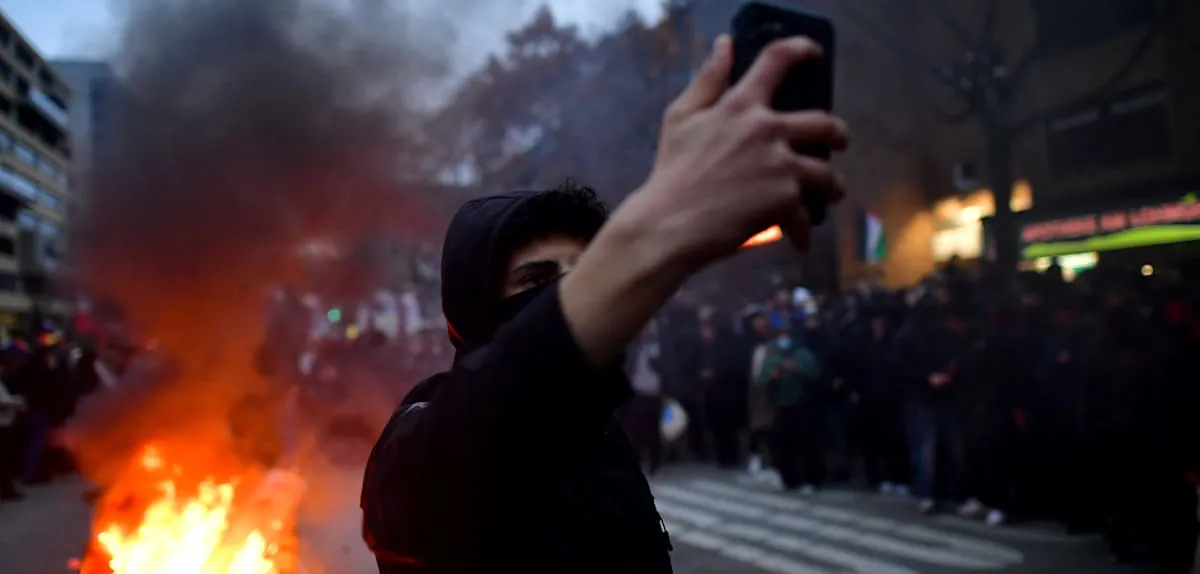
HAMBURG – A wave of protests spearheaded by the 'Gen Z regelt' initiative has surged across several major German cities, transforming urban landscapes into arenas of tension. Today, in 2026, police in Hamburg were forced to deploy water cannons to disperse a crowd deemed 'prone to violence,' following acts of pyrotechnic throwing and barricade burning by masked demonstrators.
The incident in Hamburg marks a significant escalation in a series of national demonstrations organized by the 'Gen Z regelt' group. The usually bustling city center was abruptly paralyzed by burning barricades and plumes of smoke rising from various points. Eyewitnesses described a tense atmosphere, with small explosions from pyrotechnics being hurled towards security forces.
Hamburg police confirmed they faced groups of individuals who aggressively attacked officers with hard objects, including pyrotechnics and parts of construction barriers. We have identified several individuals clearly intent on causing chaos and confrontation, stated a local police spokesperson, emphasizing the need for decisive action to maintain public order.
These acts of defiance against authorities were not confined to Hamburg. Reports indicate that demonstrators also erected barricades using makeshift materials, including project fences and trash bins, which were subsequently set ablaze. The flames cast an orange glow in the night, adding to the dramatic scene on the city streets.
Meanwhile, in Cologne, a similar scheduled demonstration was abruptly canceled. This decision was made by security authorities after pyrotechnics were ignited within the crowd, raising concerns about the safety of participants and the potential for uncontrolled escalation of violence. The cancellation demonstrates a high level of vigilance from authorities across Germany.
The 'Gen Z regelt' initiative itself, which translates to 'Generation Z rules' or 'takes charge,' indicates a strong desire among the youth to demand change and reform. Although their specific demands have not been publicly detailed in the context of these incidents, the group's name implies an ambition to shape a different social order.
The escalation of violence in these protests raises serious questions regarding the methods of expressing discontent. The use of pyrotechnics and burning barricades is often considered a hardline tactic that can endanger not only security officers but also uninvolved civilians.
The German federal government, through the Ministry of Interior, has not yet issued an official statement regarding these latest incidents. However, pressure to maintain public order and respond to violent protests is expected to mount. This situation reflects the complex dynamics between the right to demonstrate and the state's obligation to ensure security.
Similar tensions have also gripped various parts of the world. For instance, mass protests in Paris demanding the right to protest intensified, showing how the line between freedom of expression and potential unrest is often thin. Paris Heats Up: Hundreds of Thousands Demand Protest Rights, Extremist Threat Looms serves as a reminder of similar challenges faced by global authorities.
The political and social environment in Germany, as in many Western countries, is facing various challenges, ranging from economic issues to climate change. Generation Z, known for being socially and politically active, often stands at the forefront of voicing aspirations, but their methods of expression are now drawing scrutiny.
Initial analysis suggests that these violent actions could tarnish the image of the 'Gen Z regelt' movement, potentially diverting focus from the core message they aim to convey. Authorities need to consider effective communication strategies to de-escalate tensions and prevent further escalation.
Editorial Insight: The events in Hamburg and Cologne highlight a shifting dynamic in contemporary protests, where the line between peaceful expression and violence is increasingly blurred. As groups like 'Gen Z regelt' claim the right to 'rule,' society and governments are challenged to understand their demands while ensuring public order is maintained. The swift response from authorities with water cannons, though forceful, demonstrates the state's seriousness in confronting threats to stability. Moving forward, it is crucial for all parties to seek constructive dialogue to prevent more severe conflicts in 2026 and beyond.