 Robert Andrison
LEIPZIG – Germany has officially taken drastic steps by imposing sanctions on Russia, following strong accusations of Moscow's involvement in an attempted explosive drone attack in the city of Leipzig that recently rattled Europe. Berlin's decision has triggered diverse reactions from international media, most of which praise the German government's firmness, but there has also been sharp criticism directed at Chancellor Merz's statement.
The incident in Leipzig, which was successfully thwarted before causing massive damage, has become a turning point in already strained German-Russian bilateral relations. The German government, through its spokesperson, affirmed that collected evidence strongly points to Russian agents as the masterminds behind the destabilization attempt.
Punitive measures imposed by Berlin include a number of diplomatic restrictions, the freezing of assets of certain individuals and entities, and the potential expulsion of several embassy staff. These actions aim to send a clear message that Germany will not tolerate foreign intervention on its sovereign territory, especially considering the 2026 context that demands regional stability.
Leading media outlets in Europe and the United States have welcomed Germany's firm response. The independent newspaper The Guardian from the UK, for example, praised 'Berlin's courage in confronting unprovoked aggression.' Similarly, Le Monde from France highlighted 'European cohesion in facing common threats.'
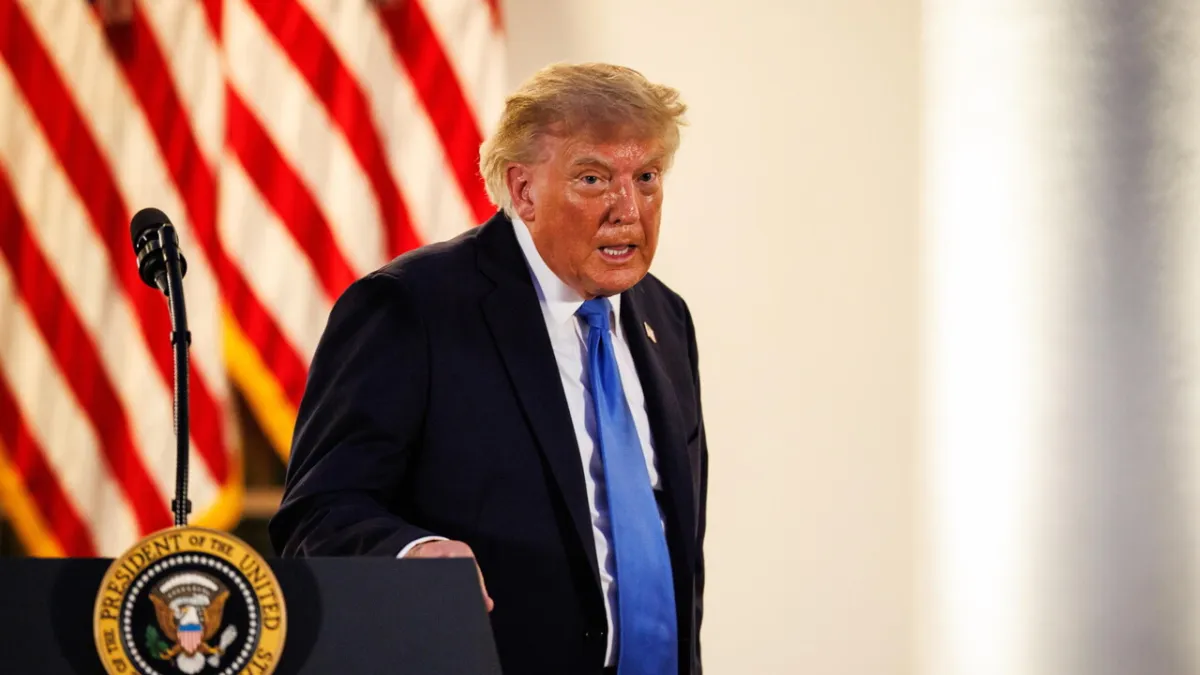
However, not all responses were laudatory. Significant criticism emerged from some media outlets regarding Chancellor Merz's statement, which was deemed 'less diplomatic' or 'too provocative.' An opinion column in the Frankfurter Allgemeine Zeitung questioned whether such rhetoric might exacerbate the situation rather than de-escalate it, given the complexity of the two countries' relationship.
Chancellor Merz's controversial statement, not specifically mentioned in the original source but hinted at as causing criticism, most likely pertains to Germany's very firm stance against Russia. International political analysts observe that such rhetoric, while intended to demonstrate resolve, can sometimes complicate de-escalation efforts.
Tensions between Germany and Russia are certainly not new. Various incidents, ranging from cyberattacks to espionage accusations, have colored the relations between the two countries for years. The drone incident in Leipzig adds to a long list of confrontations that test the limits of international diplomacy.
This context also aligns with regional and global developments related to drone threats. Previously, Ukrainian President Zelenskyy once declared Russian airspace a no-fly zone for airlines, underlining the urgency of vigilance against this threat. Drone threats have become a crucial security issue requiring a collective response.
Similar situations, albeit with different actors, have also created geopolitical tensions. Reports on Berlin accusing Russia of being the mastermind behind the Leipzig drone and NATO's readiness for a firm response have been published, indicating that this incident has been anticipated and thoroughly prepared at the transatlantic alliance level.
The German government emphasizes that these actions are a proportional and defensive response. They hope that Russia will withdraw from aggressive actions and once again respect the sovereignty of other nations, to maintain peace and security in Europe.
Political observers predict that these sanctions will have significant economic and diplomatic repercussions for Russia, while also reaffirming Germany's position as a decisive power on the European stage. However, the potential for escalation also remains a serious concern that policymakers must anticipate.
Editorial Insight: Berlin's response to the Leipzig drone incident marks a new point in European geopolitical dynamics, reaffirming Germany's determination to protect its national integrity. While drawing praise for its firmness, the controversy surrounding Chancellor Merz's statement highlights the complexity of balancing diplomatic power and political rhetoric that could potentially trigger escalation. Moving forward, the world will observe how Moscow reacts and whether these measures will serve as a catalyst for behavioral change, or further deepen existing conflict, especially in the context of global stability in 2026.