 Angela Stefani
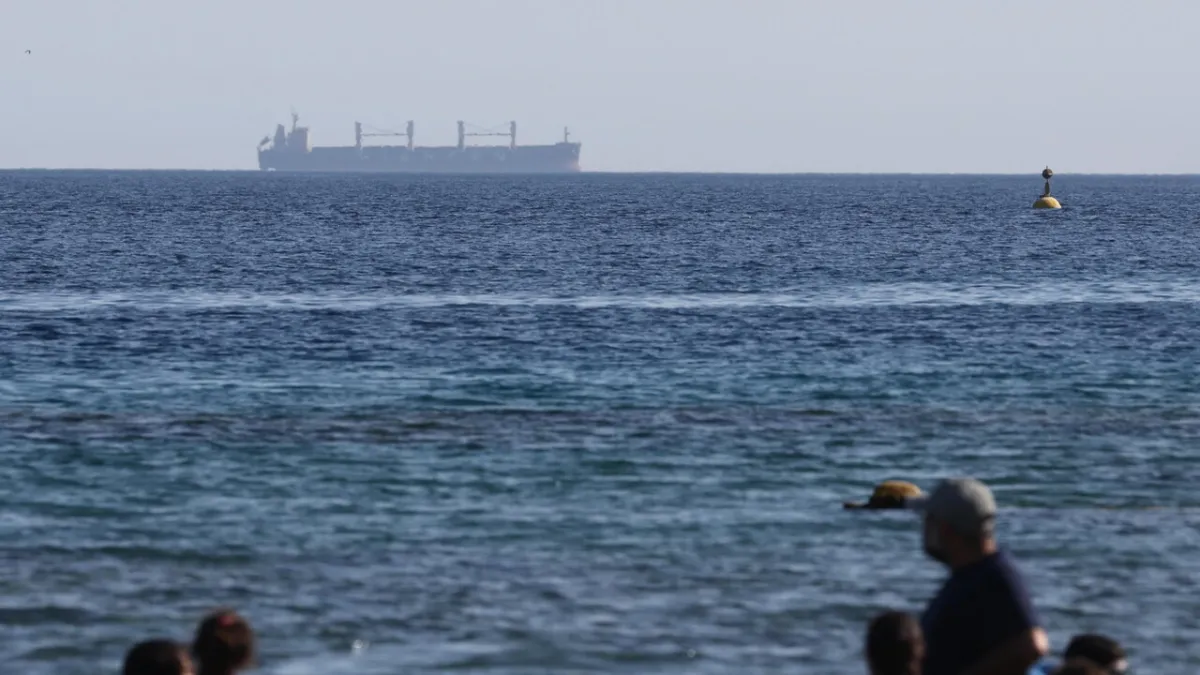
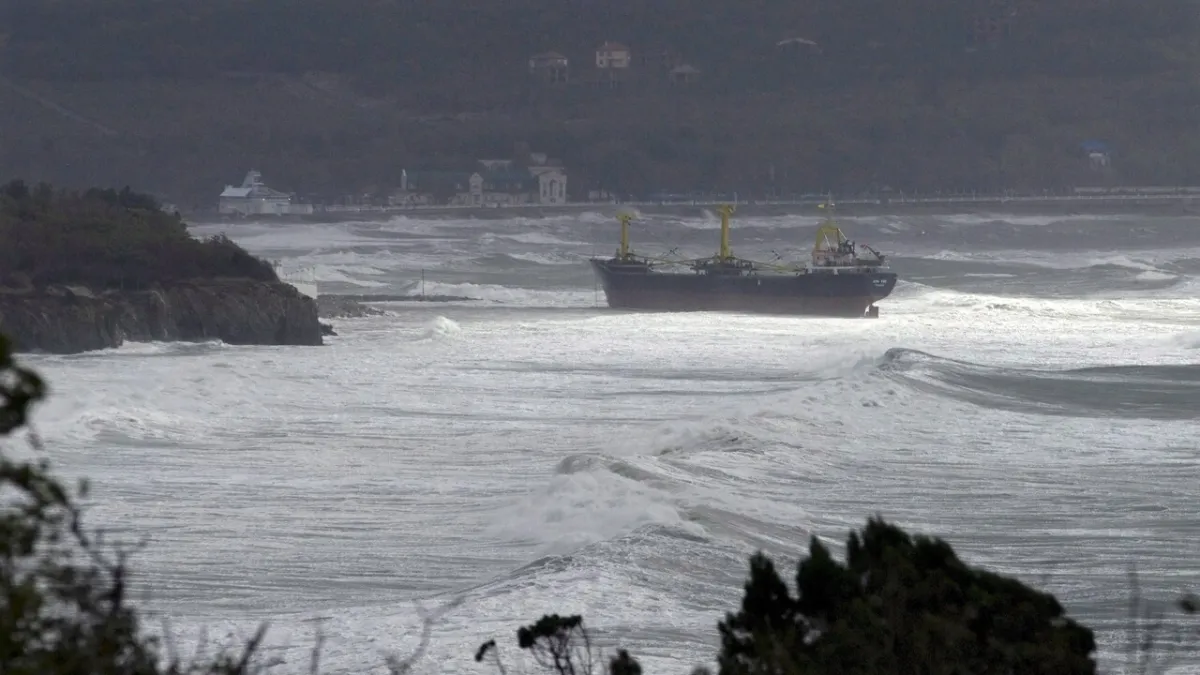
RED SEA – A tragic incident has rocked the Red Sea waters after a merchant vessel became the target of a deadly attack, killing four of its crew. Yemen blames the Houthi group for the assault, which occurred amidst rising tensions in the vital shipping lane. The United States military promptly responded by firing upon a vessel attempting to force its way through a blockade, located near Iran, further escalating the regional security situation.
The attack on this merchant ship marks a serious escalation of the conflict in the region. Details regarding the ship's identity and cargo type have not been fully disclosed, but attention quickly turned to Yemen's accusations against the Houthis. The rebel group in Yemen has repeatedly launched attacks on international shipping in the Red Sea, claiming solidarity with Palestine.
According to reports, a swift response was demonstrated by the United States Navy. US warships fired upon an imbarcazione identified as attempting to forcibly breach a maritime blockade. This shooting incident occurred in strategic waters, not far from Iran's coastline, a detail that could add geopolitical complexity, given the historical tensions between Washington and Tehran.
The Red Sea is a crucial maritime artery, connecting Europe and Asia via the Suez Canal. Any disruption to this route has the potential to damage global supply chains and trigger commodity price spikes. Since the conflict in Gaza intensified, attacks on commercial vessels in the Red Sea have sharply increased, creating major concerns within the international community.
The Houthis, who control much of Yemen including the capital Sanaa, state that their actions target ships with connections to Israel or heading to Israeli ports. However, the reality on the ground shows that many attacked vessels have no direct correlation, leading to criticism that the group is disrupting international freedom of navigation.
Various countries have called for de-escalation and protection of shipping lanes in the Red Sea. The United Nations, through Secretary-General Antonio Guterres, has repeatedly expressed deep concern over the risk of a wider conflict. However, these calls appear to have yielded no significant results amidst the ongoing regional turmoil.
With this latest incident, fears of a larger conflict erupting in the Middle East are becoming more tangible. This symptom poses a serious challenge for global leadership in 2026. US President Donald Trump, for instance, faces a strategic dilemma on how to respond to aggression without triggering a wider open war.
The presence of the US military in international waters, especially in strategic routes like the Red Sea, aims to maintain freedom of navigation and respond to threats against allied vessels. Patrol and surveillance operations are continuously enhanced to prevent further attacks and ensure maritime security for all parties.
Future challenges involve intensive diplomatic efforts to pressure the Houthis to cease their maritime aggression, as well as finding long-term political solutions for the Yemen conflict. Without resolution, the Red Sea will likely continue to be a battleground threatening global stability.
Editorial Insight: This escalation in the Red Sea is not merely an isolated incident, but a reflection of complex regional instability. Attacks on merchant ships and the US military response indicate that international tolerance thresholds are narrowing. Without effective diplomatic coordination and real pressure on non-state actors, this crucial shipping lane will continue to be a battlefield, with economic and humanitarian consequences far beyond its geographical boundaries.