 Angel Doris
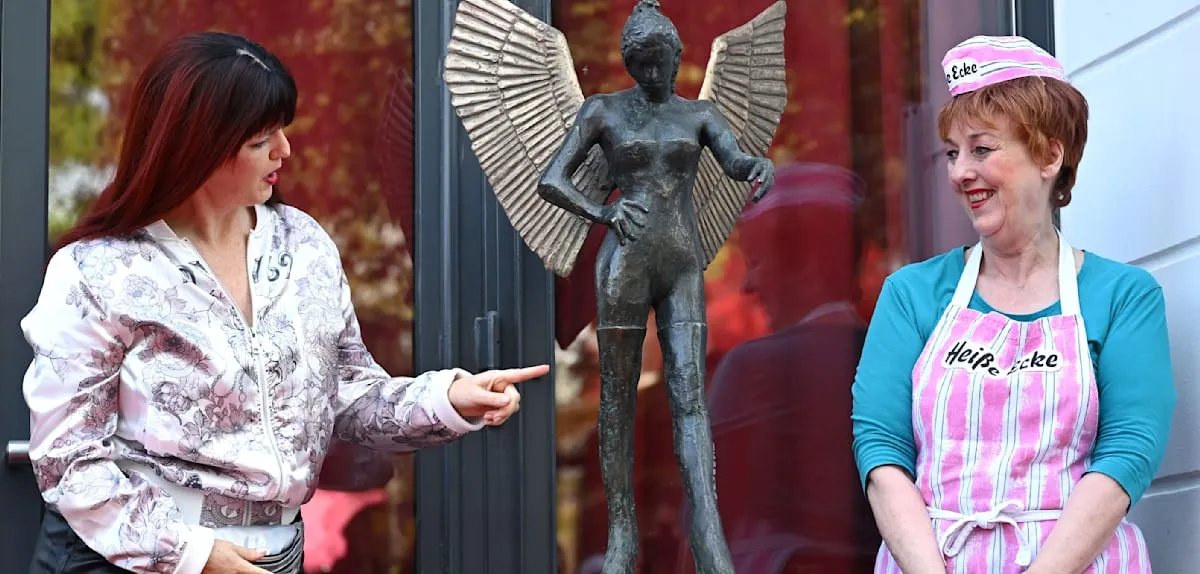
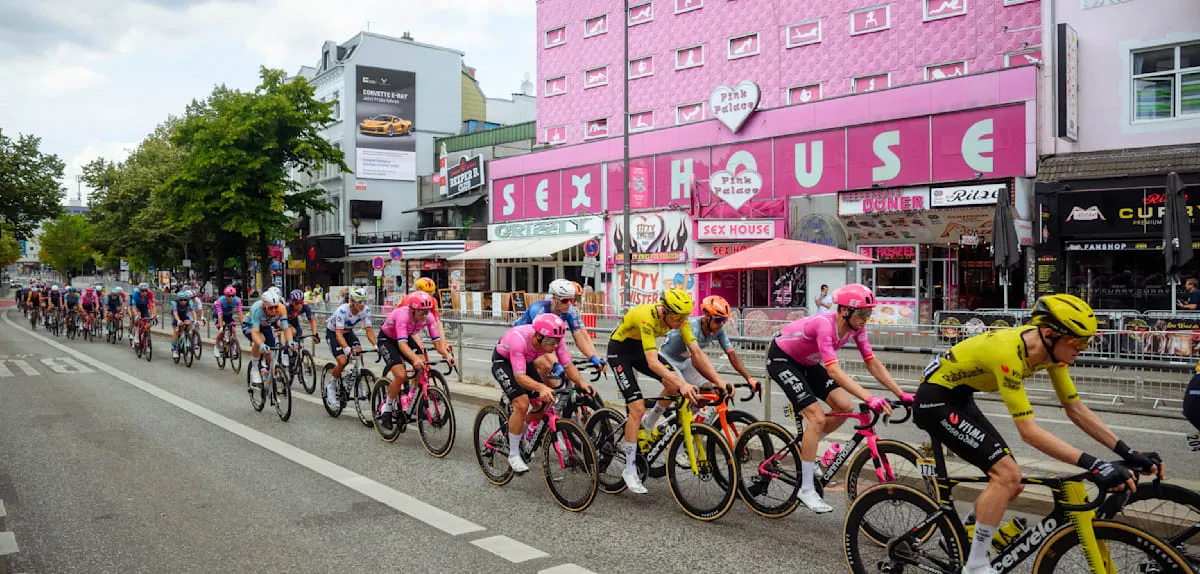
HAMBURG — Reeperbahn, the pulsating heart of Hamburg's nightlife in Germany, has welcomed a new sculptural masterpiece in early 2026 that has quickly become a focal point: the “Angel of St. Pauli”. This monumental installation is not just an urban ornament; it is a new symbol encapsulating the history of the Kiez, local musical triumphs, and a ritual of luck that now mesmerizes thousands of visitors.
The majestic bronze sculpture with outstretched wings was unveiled as part of efforts to revitalize the area and strengthen the legendary cultural identity of St. Pauli. Its presence immediately created a new narrative amidst Reeperbahn's glittering night lights, inviting every passerby to delve into the myth it engraves.
According to the Hamburg tourism management, the idea behind this statue is to combine various elements that define St. Pauli's unique character. From historical nightclubs to highly successful musical performances, the “Angel of St. Pauli” serves as a visual representation of the district's soul.
Most intriguingly, the statue comes with a ritual. Visitors interacting with the “Angel of St. Pauli” are believed to take home a piece of myth and good fortune. The ritual is simple: anyone who touches the bronze wings of the statue is said to receive good luck or, at the very least, a magical memory of Reeperbahn.
This mystical aura quickly spread on social media and became a unique attraction for both domestic and international tourists. “This phenomenon transcends mere art installation; it is a living narrative continually evolving in the heart of our city,” stated a spokesperson from the Hamburg Department of Culture, who wished to remain anonymous.
Reeperbahn has always been known for its dynamism and transformations. From a maritime center to a pop culture icon, this district never ceases to innovate. The presence of the “Angel of St. Pauli” reaffirms Reeperbahn's position as one of Germany's most important urban cultural hubs.
Art activists and cultural experts warmly welcome this initiative. They view the statue as a bridge between a rich past and a future full of potential. “It's an elegant way to celebrate the Kiez's heritage while looking forward,” remarked Dr. Lena Schneider, an urban historian from the University of Hamburg, at a public discussion late last year.
Economically, the new landmark is expected to further boost Hamburg's tourism sector, which in 2026 shows positive trends. Especially after global economic turbulence and Germany's efforts to address various challenges, including the vital infrastructure security issues as previously discussed in the article Germany Rocked by Drone Threat: Ports Demand Airport-Level Protection!.
The “Angel of St. Pauli” is predicted to become one of Germany's most popular photo backdrops, rivaling other iconic landmarks. With a touch of myth and an opportunity to experience good fortune, this statue offers more than just sightseeing; it offers a personal connection to the city's soul.
As time progresses, it is highly probable that more personal stories related to the ritual of touching the statue's wings will emerge, enriching St. Pauli's urban folklore. This is not merely a statue, but an invitation to become part of Reeperbahn's enduring myth in 2026 and beyond.",
"excerpt": "Sebuah patung “Malaikat Sankt Pauli” bersayap perunggu kini menjadi ikon magis baru yang memikat di jantung Reeperbahn, Hamburg, pada tahun 2026, menawarkan ritual keberuntungan bagi para pengunjung.