 Chandra Wijayanto
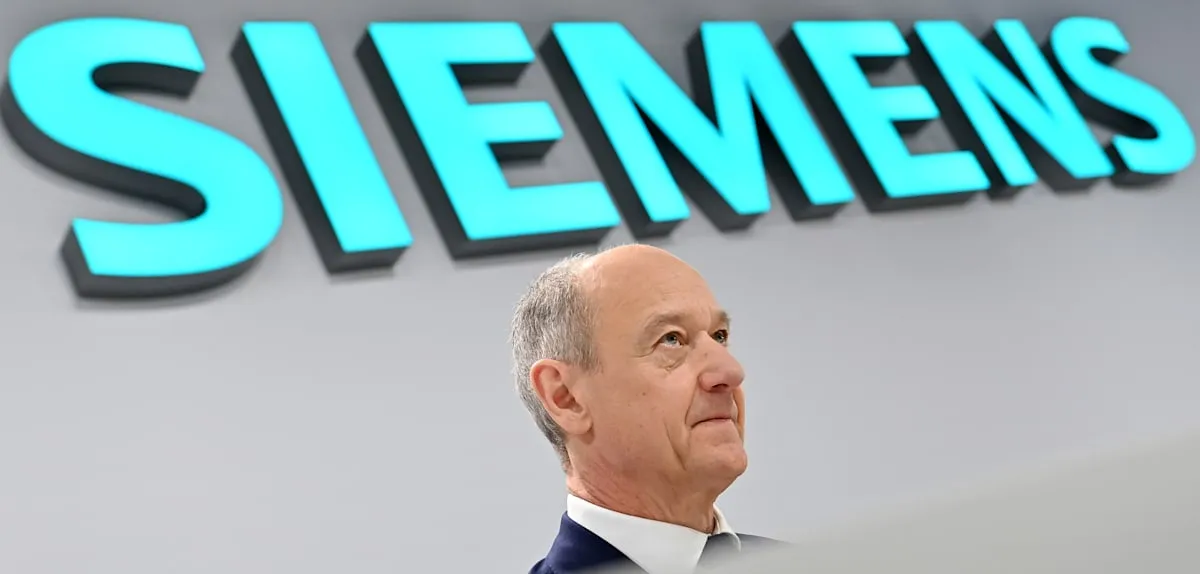
BERLIN – Siemens, one of Germany's globally recognized industrial giants, is reportedly planning to relocate its core operational division abroad. This drastic decision follows sharp criticism from the company's CEO regarding German domestic regulations, deemed to hinder competitiveness. The announcement, made in an exclusive interview with WELT, sparks intense debate about the investment climate in the heart of Europe's economy in 2026.
The multinational technology and electronics conglomerate has for decades been a symbol of German industrial strength. Its presence as a leading global player is undeniable, competing fiercely with the world's best companies. However, this solid image now confronts a bitter reality.
In the interview, the unnamed Siemens executive bluntly stated, This is completely nonsensical. The remark illustrates deep frustration with Germany's regulatory framework, which is perceived as too rigid and burdensome. This criticism is not merely a complaint but a serious signal from a world-class corporation.
The decision to establish the company's new central division outside its homeland is a concrete manifestation of this disappointment. This division will be the backbone of Siemens' future operational and strategic efforts, making the choice of its location significantly impactful for the company's future. It marks a paradigm shift in Siemens' investment and development strategy.
This relocation has the potential to trigger substantial economic and political ramifications for Germany. As the economic powerhouse of the European Union, Germany has always strived to attract and retain investment from major corporations. Siemens' move could set an unfavorable precedent, sparking concerns about Germany's appeal as a global business location.
The phrase vollig widersinnig, or completely nonsensical, uttered by the CEO, underscores the complexity of regulations, bureaucratic burdens, and perceived lack of flexibility experienced by the company. It is not solely about costs but also about the pace of innovation and adaptation to rapidly changing global markets.
Germany, often referred to as the locomotive of Europe, has long faced challenges in maintaining its competitiveness. Previous global economic reports have highlighted the need for regulatory reforms to support growth and investment, particularly in the technology and heavy industry sectors. This is not a new issue, but Siemens' decision adds a different weight of urgency.
Although the specific location of the new division has not yet been announced, strategic options likely include countries with more business-friendly environments, attractive tax incentives, or better access to emerging markets. This decision implicitly sends a message to the German government to promptly review its economic and industrial policies.
This situation is reminiscent of similar debates in various developed countries regarding the balance between labor protection, environmental concerns, and ease of doing business. Multinational corporations like Siemens require agility to remain relevant in increasingly fierce global competition.
The German federal government is highly likely to respond seriously to these statements and decisions. The Minister for Economic Affairs and Climate Action, Robert Habeck, is expected to issue comments soon or even initiate dialogue with industry stakeholders to prevent similar exodus in the future.
The long-term impact of Siemens' primary division relocation remains to be observed. Fundamentally, however, it highlights the necessity for regulatory adaptation in developed nations to avoid falling behind in an increasingly competitive global landscape. The balance between social welfare and economic competitiveness is at stake.
Editorial Insight: Siemens' decision serves as a serious alarm for the German government. More than just losing a corporate division, it is a warning signal that inefficient bureaucracy and regulations can erode a strong economic foundation. The government must promptly formulate more pro-investment policies without sacrificing other important standards, in order to maintain Germany's status as a hub of innovation and industry.