 Dorry Archiles
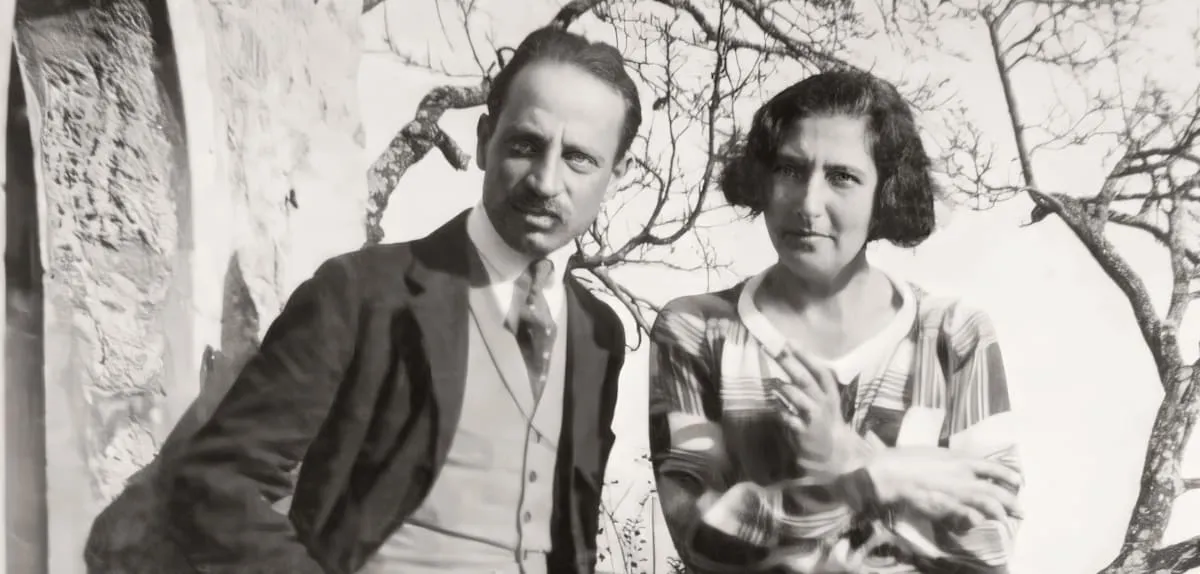
VIENNA – As the grand celebration of Rainer Maria Rilke's anniversary unfolds in 2026, public attention once again turns to the women who shaped the life of the great poet. Among them, the name Baladine Klossowska emerges with a unique distinction. Klossowska's private letters to Rilke are now under scrutiny, clearly revealing the greatest creative crisis Rilke ever faced, offering profound insights previously untouched.
Rainer Maria Rilke, born in 1875, is one of the most monumental figures in German-language poetry, whose works continue to inspire and move readers today. His reputation as a complex, mystical, and lyrical poet makes him a subject of ceaseless study and admiration worldwide.
Within Rilke's life, rich with emotional and intellectual connections to various women, Baladine Klossowska, a Polish-German painter, played a pivotal role. Her entry into Rilke's life occurred at his most vulnerable moment, when the poet was trapped in a severe artistic deadlock.
Their meeting was not merely coincidental. Baladine entered Rilke's circle precisely when the poet was confronting a period of intense uncertainty and self-doubt. This was not just a typical pause, but an existential and creative crisis threatening the continuity of Rilke's productivity.
This creative crisis occurred amidst Rilke's brilliant artistic journey. He grappled with the pressure to produce new works, while simultaneously questioning the essence and direction of his poetry. In this state, Baladine Klossowska emerged as a catalyst, not only as a listener but also as a silent witness and emotional supporter.
Baladine Klossowska, also known as Baladine Klossowska de Rola, was an artist with deep sensitivity and understanding of the creative soul. Though less known than other female figures in Rilke's life, her contributions, especially through her correspondence, are now being re-evaluated as crucial pillars.
Baladine Klossowska's letters, which have recently garnered significant attention—with potential publications or exhibitions in 2026—depict complex emotional and intellectual nuances. They reveal Klossowska's concerns, hopes, and efforts to bolster Rilke's spirit, even when the poet himself doubted his abilities.
This correspondence is not merely a personal record; it is a window into the struggles of a genius. Baladine's words provide new context and perspective on how Rilke navigated these difficult phases, and how he eventually managed to rebound with more mature and profound works.
Baladine Klossowska's influence on Rilke during this crisis was profoundly significant. She may not have directly written Rilke's poetry, but her presence, understanding, and indirect encouragement proved to be a crucial foundation for the poet's creative resurgence, ultimately leading to some of his finest works.
The Rilke anniversary celebrations throughout 2026 provide a critical opportunity to revisit aspects of his life and work. The spotlight on Baladine Klossowska's role affirms that understanding a great artist is never complete without exploring the dynamics of the personal relationships that shaped them.
These letters not only add a new chapter to Rilke's biography but also enrich our understanding of the creative process and an artist's resilience. They highlight that behind genius often lies an invisible yet fundamental network of emotional support.
Editorial Insight: The uncovering of the depth of Rilke's relationship with Baladine Klossowska through her letters is more than just a biographical anecdote. It is a vital reminder that behind every masterpiece, there is often a complex human process, full of unexpected vulnerabilities and strengths. This revelation has the potential to alter academic interpretations of a specific period in Rilke's career and reasserts the importance of delving into primary sources to understand the context of artistic creation. This story also underscores the invaluable role of muses and intellectual companions in the evolution of a genius.