 Demian Sahputra
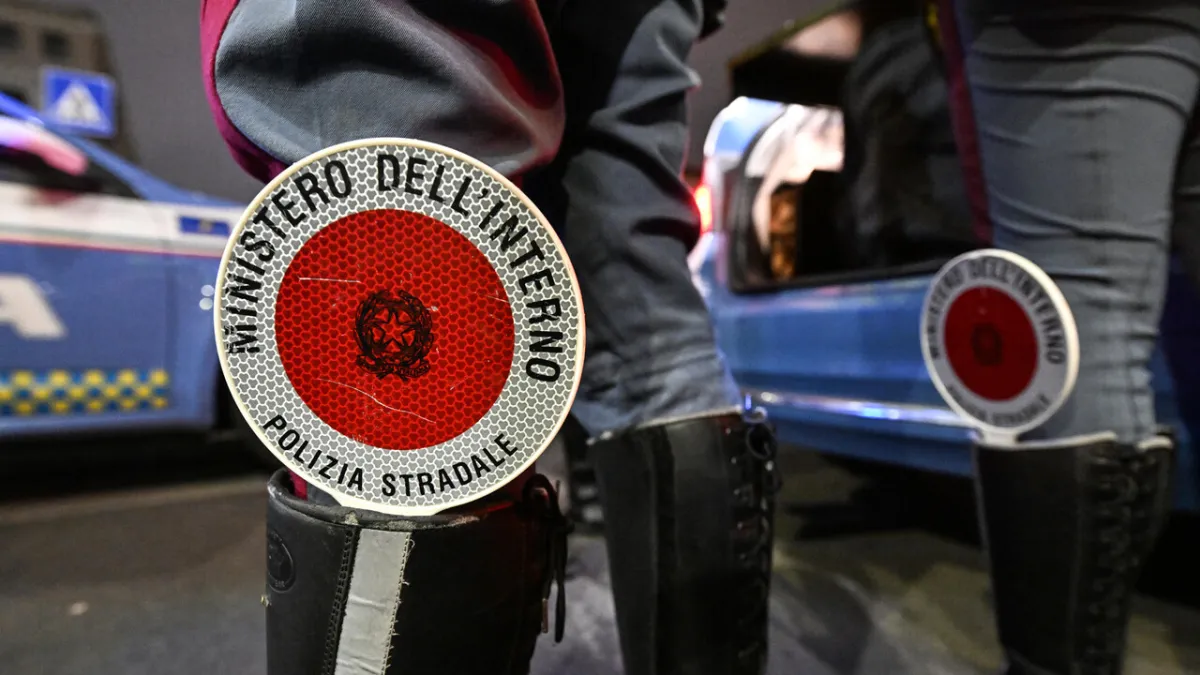
ROME – The Italian government has officially enacted significant changes in traffic fine regulations starting in 2026, imposing severe penalties of up to 1,000 euros (approximately IDR 17 million) for drivers operating without mandatory motor vehicle liability insurance (RC auto). This new policy, aimed at enhancing legal compliance and road safety, also increases fines for electric scooter usage on sidewalks, although overall, total fines show a reduction of about 7%.
These changes are part of a comprehensive reform to address modern transportation dynamics, including the increasing use of micro-vehicles like electric scooters in urban areas. The increased fine for uninsured drivers is a direct response to serious issues related to the financial security of accident victims.
Italian Minister of Transport, Matteo Salvini, stated that this reform is not merely about adding fines, but an effort to balance law enforcement and justice for all road users. We want to ensure that everyone participating in road traffic bears their responsibility, Salvini remarked, emphasizing the importance of insurance ownership.
The 1,000 euro fine is effective for newly detected violations. Previously, penalties for similar offenses varied, but are now set more uniformly and heavily to provide a stronger deterrent. This policy also focuses on prevention.
The government also targets electric scooter usage that often violates rules. Electric scooter riders who dare to ride on sidewalks will now face higher fines, as part of an effort to protect pedestrians' rights in public spaces.
Sidewalks are for pedestrians, not an alternative route for two-wheeled vehicles, especially electric scooters that often travel fast and pose a danger, explained a spokesperson for the Rome city police in a press conference. This increase in fines is expected to create better order in public areas.
However, on the other hand, this regulatory revision also brings good news for the majority of the public. In aggregate, the overall number of fines imposed has decreased by approximately 7%. This reduction primarily applies to minor violations that have historically burdened citizens.
Several categories of minor offenses receive leniency, demonstrating the government's more measured approach to law enforcement. This aims to reduce public complaints about a fine industry perceived as overly aggressive and disproportionate.
The Italian government has conducted intensive socialization regarding these regulatory changes through various media channels and public campaigns. The hope is that the public will understand and comply with the new rules for collective safety.
Technological integration, such as surveillance cameras and automatic vehicle identification systems, has also been strengthened to support the implementation of this policy. This ensures that law enforcement operates efficiently, accurately, and transparently.
This revision of traffic rules in Italy has garnered widespread attention from national and international media, including sparking debate among legal experts and driver communities. Some parties welcome the firm stance against uninsured drivers.
This step is crucial to protect the rights of accident victims. Without insurance, victims often struggle to obtain compensation and justice, said a legal observer from the University of Bologna.
Meanwhile, electric scooter associations have expressed concerns about the lack of adequate infrastructure for dedicated lanes. They urge the government to accelerate the construction of safe lanes for electric scooters to accommodate eco-friendly mobility.
The economic impact of this policy is also a focal point. The vehicle insurance industry is expected to see increased demand, while electric scooter manufacturers may need to adapt to stricter regulations and potential sales declines.
The government asserts that every euro collected from fines will be reallocated to improve traffic infrastructure, including road repairs, the construction of bicycle and scooter lanes, and ongoing safety campaigns.
These new regulations are also part of the broader agenda of the Italian government for transportation modernization, which includes initiatives to reduce emissions and promote sustainable mobility throughout the country.
Editorial Insight: The changes in traffic fines in Italy in 2026 reflect a global trend in balancing urban mobility, public safety, and legal compliance. With heavy penalties for uninsured vehicles and scooters on sidewalks, the government demonstrates seriousness in regulating driving behavior. However, the effectiveness of this policy will heavily depend on continuous public awareness and the availability of supporting infrastructure. The main challenge lies in fair enforcement and ensuring the public understands that these rules are not just about punishment, but also about creating a safer and more responsible traffic environment for all.