 Debby Wijaya
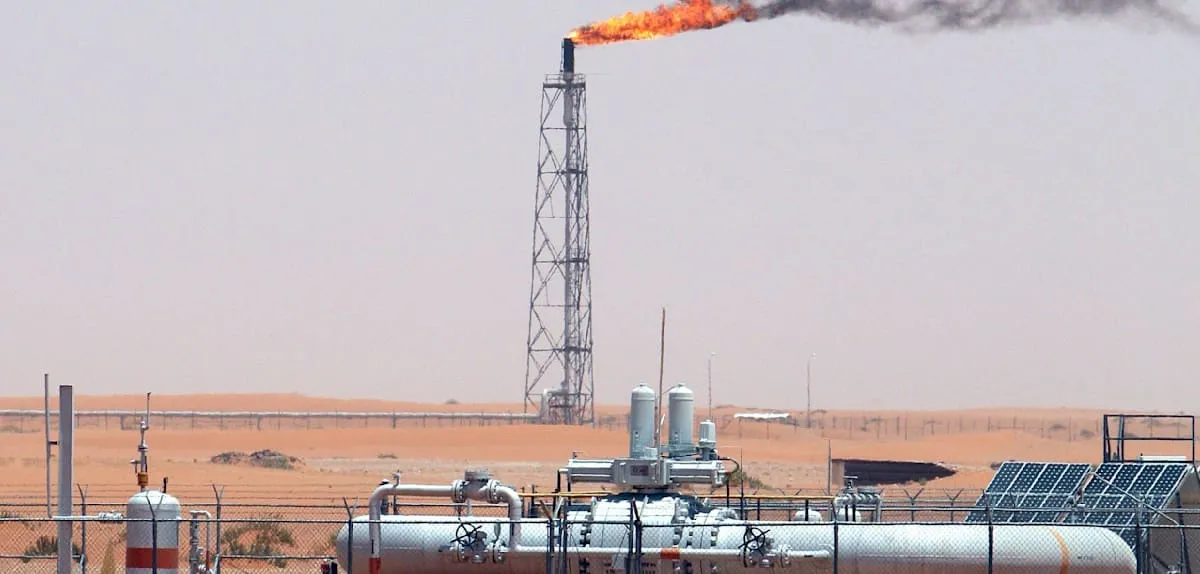
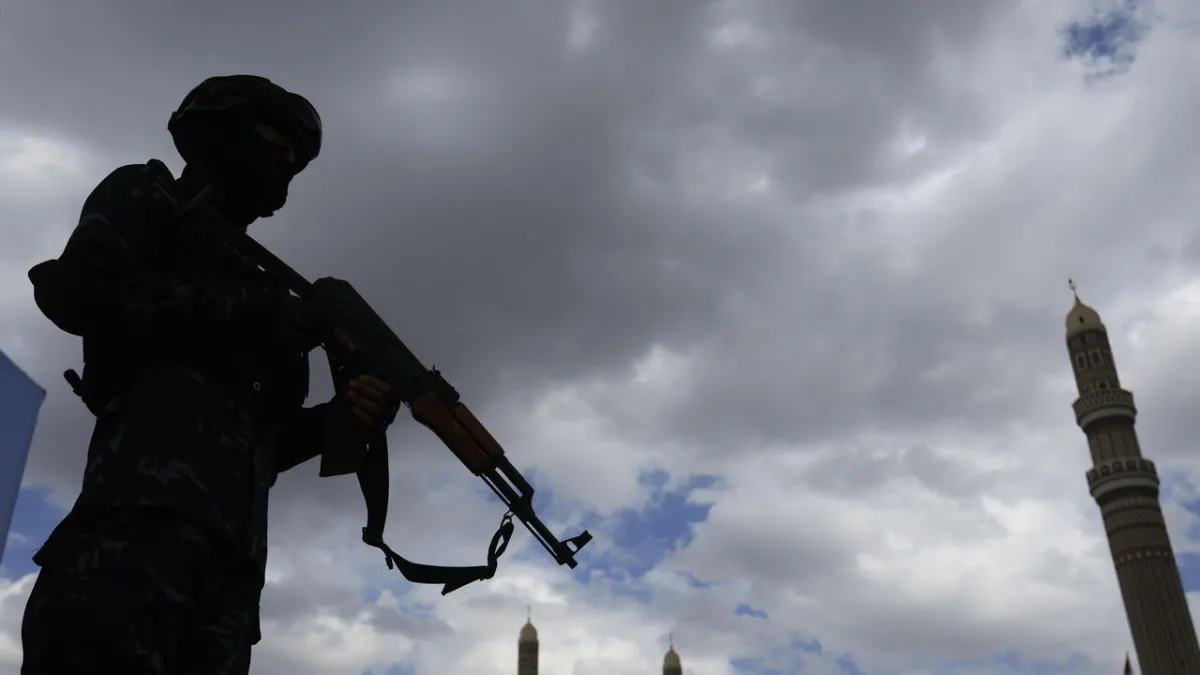
RIYADH – Saudi Arabia has announced the closure of its East-West oil pipeline following a series of drone attacks targeting the vital facility. The incident, believed to have originated from Iraqi territory in 2026, triggered a swift response from Baghdad, which immediately dismissed a military commander for accountability.
The 1,200-kilometer pipeline, stretching from the eastern region to the Red Sea coast, serves as a crucial artery for Saudi oil exports. Millions of liters of crude oil flow through this pipeline daily, making it a strategic target for entities seeking to disrupt global energy stability.
Saudi security sources confirmed that the drone attacks, which occurred in the early hours, caused significant damage at several points along the pipeline. Nevertheless, Riyadh, through its Ministry of Energy, stated that global oil supplies would not be substantially affected due to the adaptability of their distribution system.
The Saudi government affirmed it would take necessary measures to ensure the security of its energy infrastructure. An official statement indicated that despite the serious nature of the incident, Riyadh will not react at this time to this clear aggression, a stance suggesting deep strategic consideration.
Across the border, Baghdad reacted firmly to reports that the attacks originated from Iraqi territory. The Iraqi government promptly announced the dismissal of a senior military commander. This action serves as a strong signal of Iraq's commitment not to become a base for attacks against neighboring states.
The Iraqi Prime Minister, in a national address, emphasized that the government would not tolerate acts of terrorism or violations of other nations' sovereignty from Iraqi soil. We will bring the perpetrators behind these cowardly attacks to justice and ensure they receive due punishment, stated the Prime Minister.
This incident adds to the long list of geopolitical tensions continuously shadowing the Middle East. Energy policy analysts view this attack as a serious provocative attempt with the potential to destabilize global oil markets, especially if the pipeline remains closed for an extended period.
The closure of the East-West pipeline underscores the vulnerability of energy infrastructure amidst a complex regional conflict landscape. It also highlights the challenges Iraq faces in controlling all armed factions operating within its territory, some of which hold agendas contrary to Baghdad's official policies.
The international community urged all parties to exercise restraint and resolve differences through diplomatic channels. The UN has issued a statement calling for a thorough investigation into the incident and urging all countries in the region to respect each other's sovereignty.
Drone attacks are not a new phenomenon in the Middle East, but targeting Saudi's vital oil infrastructure from territory identified as Iraqi creates new dynamics. This situation demands high vigilance and inter-state coordination to prevent further escalation.
The Iraqi government has formed a special investigative committee to trace the origin of the drone attacks and identify the responsible groups. This committee is expected to cooperate with Saudi authorities to uncover the true facts and bring the perpetrators to justice.
This crisis has the potential to reshape existing alliances and distrust in the region. The stability of global oil supplies is at stake, and mitigation measures must be promptly adopted by energy producers and consumers worldwide.
Editorial Insight: The incident of Saudi Arabia's vital oil pipeline closure due to drone attacks from Iraqi territory is more than just an infrastructure strike; it is a political statement that endangers regional stability. Saudi Arabia's restrained response and Iraq's swift dismissal of a commander indicate an awareness of potential major escalation. However, the root problem of non-state factions operating in Iraq remains a serious challenge that, if not comprehensively addressed, could continue to trigger similar crises and undermine regional stabilization efforts. Implications for global oil prices and the foreign policies of major powers will be a primary focus in the coming period.