 Debby Wijaya
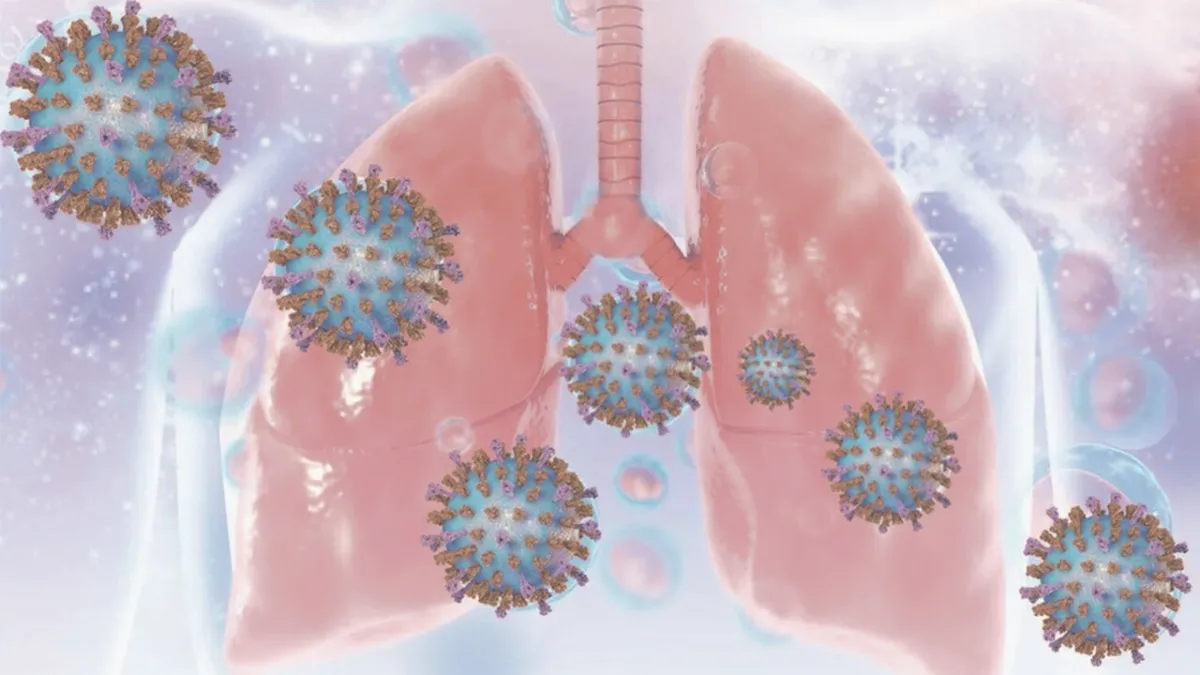
ROME — Respiratory Syncytial Virus (RSV), a leading cause of often-overlooked morbidity and mortality, continues to threaten vulnerable populations globally. Latest data for 2026 indicates that the virus is responsible for approximately 26,000 hospitalizations and 1,800 deaths annually, primarily affecting the elderly and individuals with chronic conditions. Ironically, amidst these significant fatality figures, public awareness of RSV remains critically low.
This stark reality has prompted the launch of an innovative campaign titled "I Silenzi dell'RSV" or "The Silences of RSV." This initiative aims to break the information deadlock, highlight the serious health impact of the virus, and proactively expand vaccine utilization as a fundamental preventive measure. The goal is to ensure that society no longer disregards this latent threat, often misunderstood as a common cold or flu.
While frequently associated with respiratory infections in infants and young children, RSV also poses an equally significant risk to adults. Weakened immune systems due to aging, or those compromised by underlying conditions such as asthma, heart disease, diabetes, and Chronic Obstructive Pulmonary Disease (COPD), make the elderly and chronically ill highly susceptible to severe complications. These complications can include pneumonia, bronchiolitis, and even respiratory failure.
The "I Silenzi dell'RSV" campaign adopts a multi-platform approach, engaging healthcare professionals, media, and other stakeholders. The primary focus is the dissemination of accurate information regarding symptoms, transmission routes, and crucially, the importance of vaccination as the most effective line of defense. Public education is expected to shift perceptions and encourage collective preventive action.
Vaccination, perhaps more commonly associated with influenza or COVID-19, is now a crucial element in the global strategy against RSV. With the availability of clinically tested and approved vaccines, every individual, especially those in high-risk categories, has the opportunity to protect themselves from this previously almost unspoken threat. Public health policies for 2026 have also reinforced RSV vaccination recommendations for vulnerable groups.
The impact of RSV is not confined to sufferers and their families; it also places a substantial burden on healthcare systems. Thousands of annual hospitalizations translate into significant pressure on hospital capacity, medical resources, and national health budgets. Prevention through vaccination has the potential to drastically reduce this burden, allowing for more efficient allocation of resources to other healthcare needs.
Epidemiology and virology experts are urging heightened vigilance. "We cannot continue to allow a virus with such fatal potential as RSV to hide in the shadows," stated a leading professor of virology, who preferred to remain anonymous, during a virtual panel discussion earlier this year. "Vaccines are the most powerful tool we have to change this narrative, from an invisible threat to a preventable one."
National media outlets are expected to play a central role in amplifying the campaign's messages. In-depth and informative coverage will help break the long-standing cycle of unawareness, ensuring that every citizen understands the risks and the mitigation steps available. This represents a collective investment in public health.
In alignment with the World Health Organization (WHO)'s recommendations to strengthen immunization against respiratory diseases, the "I Silenzi dell'RSV" initiative marks a significant moment. Its aim is not only to increase vaccination rates but also to build a more educated and proactive society in facing future health challenges, reducing unnecessary deaths and hospitalizations in the years to come.
This campaign represents a paradigm shift from reactive treatment to proactive prevention. With broad support from governments, the private sector, and civil society, it is hoped that by the end of 2026, RSV will no longer be an "almost unknown virus" but rather a threat that is understood and effectively managed.