 Angel Doris
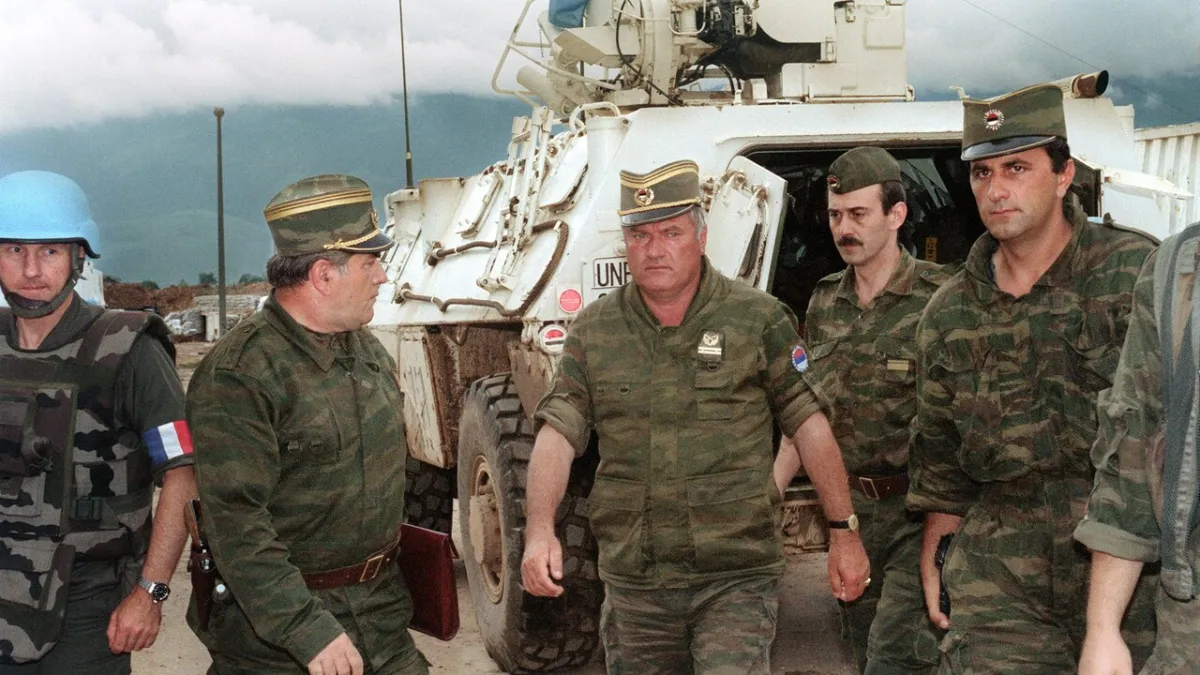
THE HAGUE – Former Bosnian Serb military commander, Ratko Mladic, widely known as the 'Butcher of Bosnia', has reportedly died in his cell at a Den Haag prison in 2026. The passing of this controversial figure closes a long chapter of legal accountability for the horrific crimes attributed to him during the Bosnian War.
Mladic was serving a life sentence after being found guilty by the International Criminal Tribunal for the former Yugoslavia (ICTY) for genocide, war crimes, and crimes against humanity. The verdict was upheld by the International Residual Mechanism for Criminal Tribunals (IRMCT) in 2021, solidifying his status as a convicted war criminal.
His death draws the curtain on one of the most prominent figures of the brutal 1990s conflict that claimed the lives of tens of thousands and displaced millions. He was a symbol of ethnic brutality and a military commander who ordered the siege of Sarajevo and the Srebrenica massacre, the darkest tragedy in Europe since World War II.
The Bosnian War, from 1992 to 1995, bore witness to unimaginable atrocities. Mladic, as the Commander of the Army of Republika Srpska (VRS), was a primary architect of a systematic ethnic cleansing campaign against the non-Serb population.
His arrest in 2011 in Serbia, after sixteen years on the run, marked a significant moment for international justice. His legal proceedings took place in Den Haag, the city that now bears witness to the end of his life.
During the protracted trial, prosecutors presented irrefutable evidence, including survivor testimonies and military documents, starkly exposing Mladic's role in directing forces to commit atrocities.
The life sentence handed down to him reflected the gravity of the violations of international law he committed. This ruling sent a strong message that no individual is immune from justice, regardless of their position or power.
For the victims and their families, Mladic's death may bring some closure, though the wounds from the crimes he committed may never fully heal. Their long journey in seeking justice has been an inspiration to many.
The court in Den Haag has served as a beacon for the enforcement of international law, prosecuting perpetrators of the world's most serious crimes. Mladic's presence there until his last days underscores a global commitment to accountability.
Mladic's legacy will continue to be a grim reminder of the dangers of nationalist extremism and the importance of maintaining peace and respecting universal human rights. Future generations need to learn from history to prevent similar tragedies from recurring.
Editorial Insight: The death of Ratko Mladic in prison is not just the end of an individual's life, but also symbolizes the closing of a bitter chapter in Balkan history. This event reinforces the principle of the supremacy of international law and the message that justice, though sometimes slow, will always find its way. For the international community, it is an important affirmation of the significance of war crimes tribunals and the protection of human rights amidst ongoing global conflicts. Although Mladic is gone, the lessons from his crimes remain relevant to prevent future genocides.