 Stefani Rindus
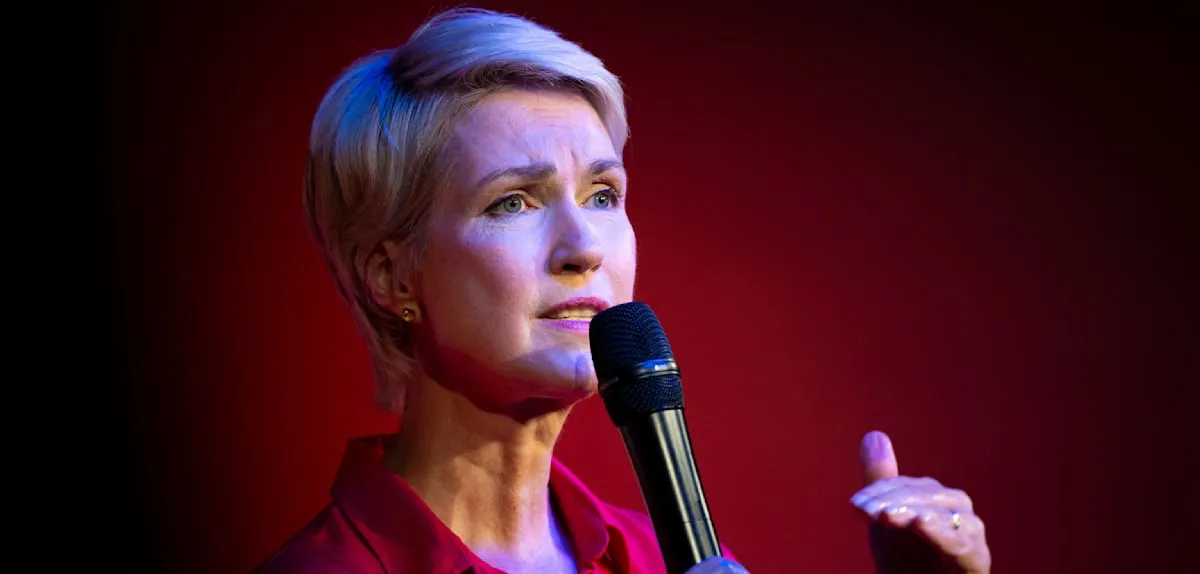
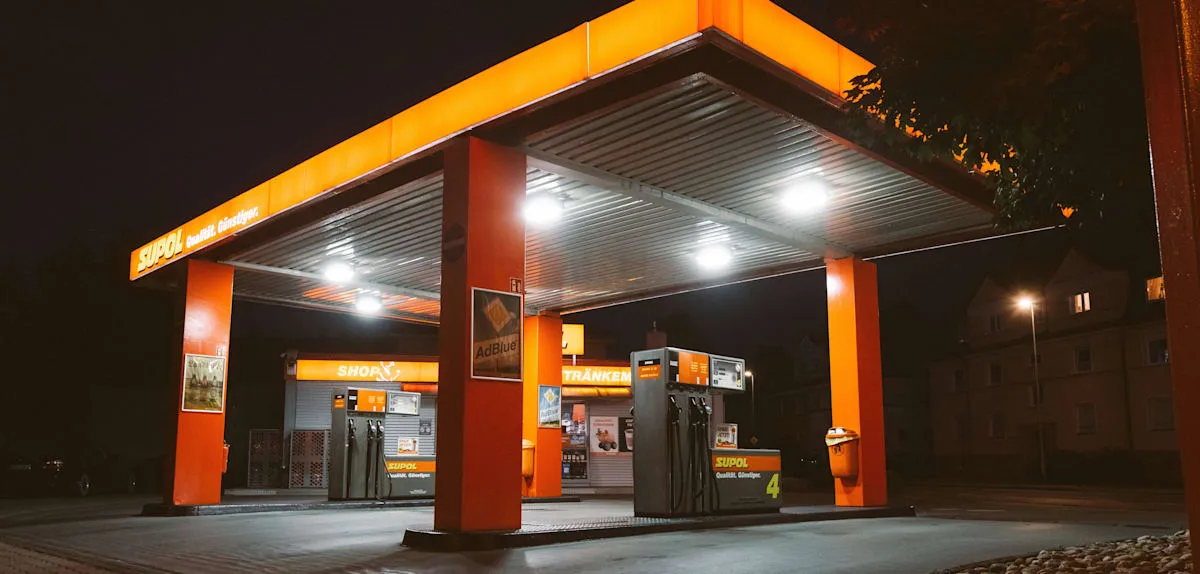
SCHWERIN – Six days before the state elections in Mecklenburg-Vorpommern, the political rivalry between the Social Democratic Party (SPD) and the Alternative for Germany (AfD) has reignited. In this critical phase, Prime Minister Manuela Schwesig of the SPD has emphatically urged the Chancellor to take concrete action to stabilize the continuously soaring fuel prices, an issue that directly affects millions of citizens.
Schwesig's statement underscores the urgency of economic issues that have become the public's main focus. I expect the Chancellor to take action, she stated, emphasizing public expectations for a response from the central government. Complaints about high fuel prices have become a dominant voice in society, raising concerns about purchasing power and household economic stability.
The increase in fuel prices is not merely a number at the gas station; it reflects broader economic challenges, including global market fluctuations and geopolitical tensions. This phenomenon has long been a driver of inflation and has disrupted supply chains. The article Global Energy Tensions: World Oil Prices Surge After Saudi Pipeline Halt highlights how energy issues can impact the global economy.
In the electoral context, the issue of fuel prices becomes a powerful tool utilized by various parties to garner voter sympathy. For the SPD, led by Schwesig at the state level, responding quickly to this issue could be decisive in maintaining its dominance against the rising tide of support for the AfD.
The electoral battle in Mecklenburg-Vorpommern is predicted to be fierce. Recent surveys show the gap between the SPD and AfD narrowing, making every political move, especially those affecting citizens' pockets, significantly impactful. Stable fuel prices are not just an economic demand but also a symbol of the government's ability to manage crises.
Schwesig, known as an experienced politician, seems well aware that allowing this issue to drag on could harm her party's chances. Her strategy is to put direct pressure on the Chancellor, positioning herself as a defender of the interests of the people of Mecklenburg-Vorpommern.
The central government, under the Chancellor's leadership, now faces a political dilemma. On one hand, there is pressure from Schwesig and the public for direct intervention in fuel prices. On the other hand, any intervention policy must consider fiscal impacts and long-term consequences for the energy market.
Political analysts predict that the Chancellor's response to Schwesig's demands will be closely watched. A firm and effective step could defuse political tension and provide a positive boost for the SPD ahead of the elections. Conversely, a slow response or unpopular policies could backfire.
Economic observers also believe that a long-term solution to stabilize energy prices must involve diversifying energy sources and investing in more efficient infrastructure, not just relying on short-term fixes.
The Mecklenburg-Vorpommern state election in 2026 will serve as an important barometer for Germany's national political sentiment. Its outcome will not only determine the political landscape in the state but could also send strong signals about the direction of public support for the federal government's economic and social policies.
The Chancellor is expected to issue a statement or at least signal concrete plans in response to this demand soon. Time is ticking, and pressure from the public and regional politicians is mounting.
Editorial Insight: Manuela Schwesig's demand to the Chancellor regarding fuel prices is a shrewd political maneuver ahead of the election. It illustrates how fundamental economic issues like the cost of living can quickly become powerful political bargaining chips. A failure by the central government to respond convincingly will not only harm the ruling party's electability in the state but could also trigger a broader wave of discontent, potentially altering Germany's political landscape significantly.