 Edward DP Situmorang
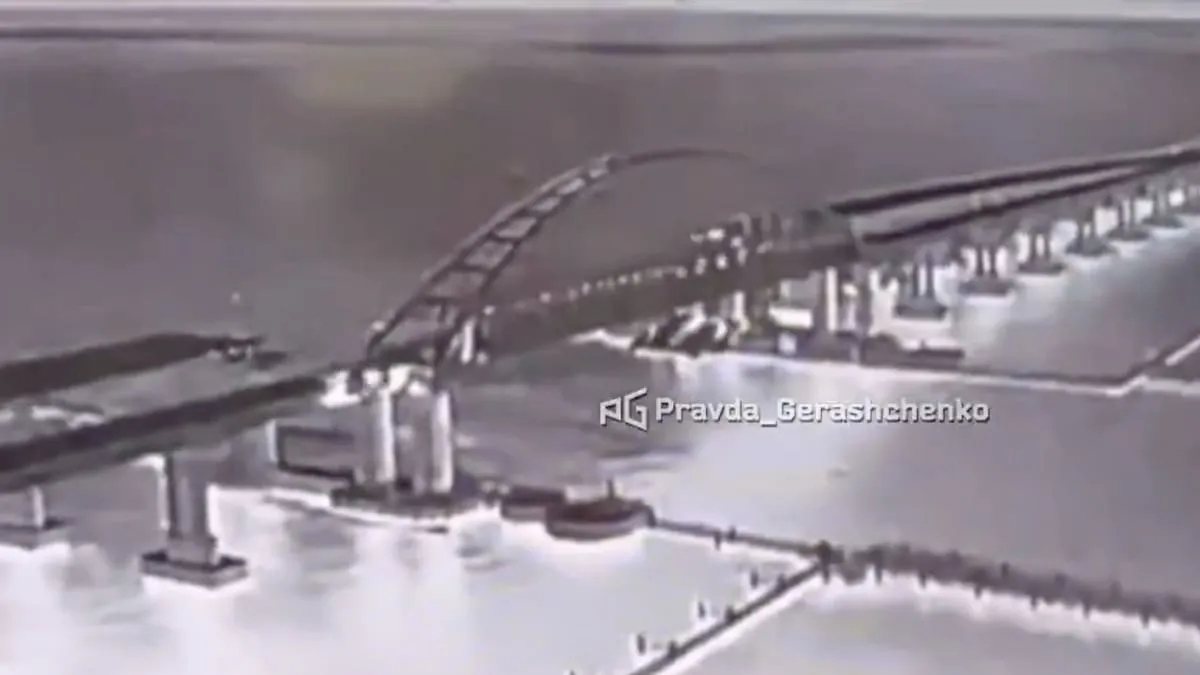
MOSCOW – Prominent political scientist Gerhard Mangott asserts that the 2026 attack on the Crimea Bridge represents a highly significant loss of prestige for Russia and President Vladimir Putin. This strategic incident not only inflicted physical damage on vital infrastructure but also fundamentally shook Russia's image of strength and claims of sovereignty in the eyes of the world. Mangott's analysis highlights the long-term impact on the Kremlin's prestige on the geopolitical stage.
The Crimea Bridge, grandly inaugurated by President Putin in 2018, is more than just a transportation link. This structure symbolized Russia's projection of power and its integration with Crimea, a territory annexed by Moscow in 2014. The successful attack targeting the 19-kilometer bridge is seen as a profound symbolic humiliation.
Political scientist Gerhard Mangott explicitly stated, 'This is a high loss of prestige for Russia and Putin.' This assertion underscores that the incident created serious doubts about Moscow's ability to protect its strategic assets, simultaneously eroding the perception of their military superiority in global eyes.
This loss of prestige extends to various aspects. In the military sphere, Russia's ability to defend its claimed territories and prevent attacks on critical infrastructure is questioned. The incident reinforces a narrative of vulnerability that was previously considered beyond the reach of adversaries.
Politically, the Crimea Bridge attack has the potential to spark domestic questions regarding the effectiveness of Putin's leadership. For many Russian citizens, this bridge was a monument to national achievement. Its damage could foster sentiments of dissatisfaction, despite the government's strong control over information.
On the international stage, the incident provides ammunition for Western nations and their allies to highlight Russia's weaknesses. The narrative of an impenetrable Russian 'fortress' is now further eroded, impacting diplomatic positions and bargaining power in the protracted conflict.
The targeting of the bridge also carries significant logistical implications. Although Russia has attempted to minimize operational impact, disruptions to a key supply route to Crimea and the occupied southern territories are clear challenges. This necessitates resource reallocation and adaptive strategies that are time-consuming and costly.
Several geopolitical observers draw parallels between this incident and other challenges facing Russia on the global stage. For example, ongoing economic sanctions, diplomatic isolation, and global commodity price uncertainties collectively test Moscow's resilience and influence.
The Kremlin's response to this attack is crucial. Efforts to swiftly repair the damage and hold those responsible accountable will be an important demonstration of their ability to maintain stability and project power. However, an eroded image is difficult to restore in a short period.
The Crimea Bridge incident in 2026 is not merely a footnote in the history of the conflict but a significant chapter that reshapes perceptions of strength and vulnerability. It challenges the long-established narrative of Russian superiority, forcing the Kremlin to re-evaluate their communication and defense strategies for both domestic and international audiences.
Editorial Insight: The attack on the Crimea Bridge marks a critical turning point in the dynamics of the ongoing conflict. More than just an infrastructure loss, this incident is a severe blow to Russia's credibility and national pride. Its impact will likely be felt in military strategy, domestic support for Putin's leadership, and international perceptions of Russia's ability to project power and maintain control over disputed territories. Moving forward, this incident could lead to escalation or, conversely, trigger more serious negotiations, depending on the risk calculations and responses from all parties involved.