 Stefani Rindus
BELGRADE – The Serbian government's plan to organize a state funeral for the late Ratko Mladic, a figure convicted of war crimes and genocide, has sparked a wave of international controversy in 2026. Serbian President, Aleksandar Vucic, staunchly defended the decision, stating he would confront the United Nations (UN) to defend his nation's interests, while domestic public opinion remains sharply divided.
This shocking announcement comes after Vucic openly opposed what he termed global injustice against the Serbian nation. He affirmed his commitment to protect the dignity of his people before international forums, including the UN General Assembly, which previously condemned Mladic's actions.
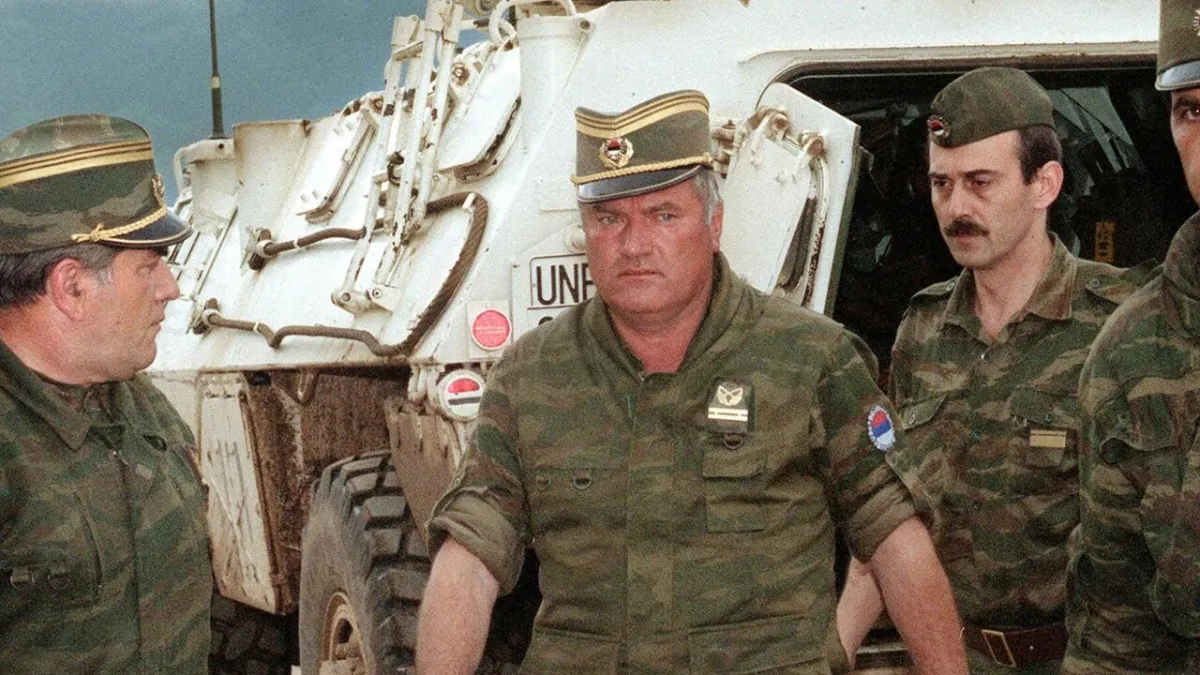
Ratko Mladic, known as the 'Butcher of Bosnia', was convicted of genocide, crimes against humanity, and violations of the laws of war by the International Criminal Tribunal for the former Yugoslavia (ICTY) in 2017. The man who led Bosnian Serb forces during the brutal conflict of the 1990s was responsible for the Srebrenica massacre and the siege of Sarajevo.
The proposal for a state funeral underscores a deep division within Serbia. A significant portion of Serbian citizens view Mladic as a hero who defended his nation, while the international community and war victims see him as an unforgivable symbol of atrocities.
Vucic's statement that 'they were unfair' refers to the international assessment of Serbia's role in the Balkan conflict. This rhetoric aligns with nationalist narratives often employed by Serbian leaders to consolidate their political base.
Public reaction in Serbia is sharply split. Pro-Mladic demonstrations are likely to emerge concurrently with protests from human rights groups and victims' families. Local media, both pro-government and opposition, have covered this issue intensely.
Vucic's bold move has the potential to damage Serbia's relations with the European Union and other Western nations. Serbia's efforts to join the EU could be hampered by a decision that overtly disregards international legal standards and humanitarian values.
Various international organizations and war crimes tribunals have strongly condemned attempts to glorify individuals proven guilty of genocide. They emphasize the importance of accountability and justice for conflict victims.
In his speeches, Vucic often voices the sentiment that Serbia is frequently a victim of biased narratives on the global stage. A state funeral for Mladic is seen by some as a form of resistance against this dominant narrative.
The Balkan conflict, which claimed hundreds of thousands of lives, still leaves deep wounds. Efforts to honor figures involved in these atrocities will only reignite trauma and hinder the difficult reconciliation process in the region.
The international community is expected to exert strong diplomatic pressure on Belgrade to reconsider this decision. The global consensus is that war crimes must be condemned, not celebrated.
Nevertheless, domestic support for Vucic, particularly among nationalists, is likely to strengthen. This decision indicates an internal political priority that places loyalty to a certain historical narrative above international demands.
This consideration will also test the legitimacy of international institutions such as the UN and the International Criminal Court, whose rulings are now openly challenged by a member state.
This polemic is not just about Mladic; it is about historical interpretation, justice for victims, and Serbia's future in the eyes of the world. Belgrade's final decision will shape its nation's narrative for years to come.
The timing of this announcement, in 2026, is also noteworthy. It may be Vucic's attempt to strengthen his position ahead of larger domestic or international issues, by mobilizing nationalist support.
This step tests the boundaries of diplomacy and international consensus regarding the handling of war crimes. Will Serbia face serious consequences for this action, or will international pressure subside over time?
President Vucic continues to argue that international tribunals have failed to provide equal justice for all parties involved in the conflict. According to him, this state funeral is a way to rectify such 'injustices'.
Editorial Insight: Serbia's controversial decision to organize a state funeral for Ratko Mladic reflects a profound dilemma between nationalist collective memory and international demands for justice. This move is not merely an act of homage but a high-risk political maneuver. It could exacerbate internal divisions and isolate Serbia from the European Union and Western allies, while challenging the legitimacy of global legal institutions. The future of Balkan reconciliation and Serbia's reputation on the world stage will heavily depend on how this escalation is managed.