 Debby Wijaya
Tehran—Six years after former United States President Donald Trump controversially announced that damages to American vessels would be covered by frozen Iranian assets, rhetoric of vengeance from Tehran has resurfaced. Iran issued serious threats against any nation providing assistance to Washington, a dynamic that continues to haunt international relations into 2026. The asset seizure incident, termed an “explosive precedent” by Iran, remains a smoldering ember in geopolitical tensions.
This policy, enacted during Trump’s presidency, stemmed from Washington’s accusations against Tehran regarding a series of incidents damaging merchant ships and oil tankers in strategic waterways such as the Gulf of Oman and the Strait of Hormuz. The United States insisted that Iran should be held accountable for these damages, demanding compensation through long-frozen assets.
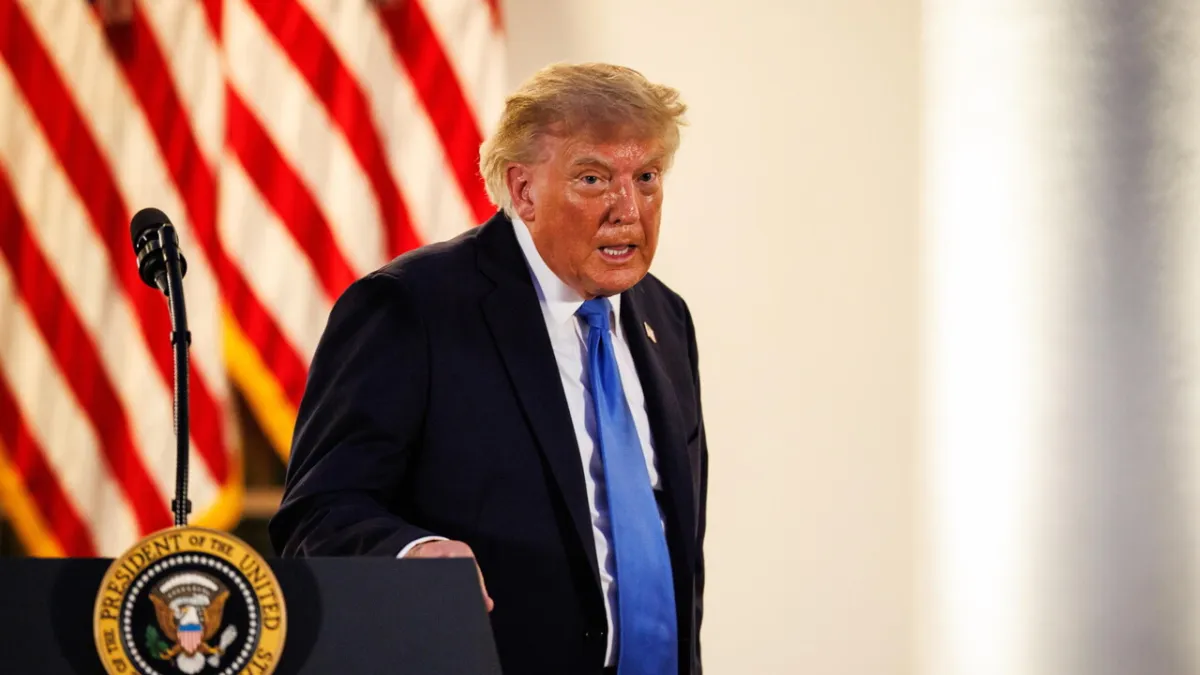
In his official statement at the time, Trump explicitly declared that “the damages suffered by [US] vessels will be fully covered by Iranian assets.” This statement immediately provoked significant anger from high-ranking officials in the Islamic Republic, who deemed it an illegal act and a violation of sovereignty.
The then-Spokesperson for Iran’s Ministry of Foreign Affairs, Abbas Araghchi, expressed Tehran’s outrage very firmly. He called the United States’ action “a very dangerous and explosive precedent” in the framework of international law. Araghchi warned that such a step could open the door for similar actions in the future, threatening global stability.
Iran’s threats of retaliation did not stop at diplomatic condemnation. Tehran openly warned that they would launch “retaliation against countries that provide any assistance to the United States” in its efforts to pressure Iran. This statement created a dilemma for many nations maintaining good relations with both sides.
Tensions between the United States and Iran have been one of the most complex chapters in modern geopolitical history. The root causes include Iran’s nuclear program, its support for proxy groups in the region, and persistent economic sanctions imposed by Washington.
Since the final years of the Trump administration, the escalation of economic sanctions and military pressure has exacerbated the crisis. Iran, in turn, often responded by reducing its commitments to the 2015 nuclear deal and increasing its uranium enrichment activities.
International political analysts in 2026 are still debating the long-term impact of Trump’s asset seizure policy. Some argue that the action strengthened Tehran’s hardline stance and complicated future diplomatic efforts.
Meanwhile, others hold the view that Trump’s policy was a crucial attempt to pressure Iran into ceasing its destabilizing activities in the Middle East. However, both camps agree that the move left deep wounds in bilateral relations.
In the regional context, Iran’s threat to retaliate against countries supporting the United States has the potential to trigger wider instability. Gulf nations, close allies of Washington, are at the forefront of this risk.
International organizations and global legal bodies have carefully monitored the implications of these cross-border asset seizures. Many fear that such unilateral actions could erode prevailing principles of sovereignty and international law.
Although leadership in the White House has changed since the Trump era, US foreign policy towards Iran remains a sensitive issue. The current administration continues to face challenges in balancing pressure and dialogue.
Tehran's leadership in 2026 continues to insist that their assets must be returned unconditionally. They reject any form of compromise they deem detrimental to national sovereignty.
This issue is not only about compensation for ships but also about a nation’s sovereign right to manage its wealth without foreign interference. This serves as a flashpoint for the anti-imperialist narrative often espoused by Tehran.
This situation is reminiscent of previous articles discussing the escalation of tensions between the two countries, such as Trump Forces Iran to Compensate for Ship Damages, Conflict Heats Up! on cognitodaily.com. That article detailed the origins of this dispute.
Furthermore, Iran’s threats are often met with increased military vigilance by the United States and its allies, as occurred when US CentCom Confirms New Attacks, Iran on High Alert!. This situation confirms that tensions have never truly subsided.
Diplomats and international negotiators continue to seek avenues to de-escalate tensions, though significant progress remains elusive. Both sides appear to be caught in a cycle of mutual suspicion and threats.
The future of US-Iran relations remains shrouded in uncertainty. As long as the issue of seized assets and retaliatory threats persist, the potential for open conflict will remain a tangible threat to global peace.
The trust gap between Tehran and Washington appears to be widening, making every diplomatic step feel like an uphill climb.
Thus, the shadow of past policies continues to shape the current geopolitical landscape, demanding vigilance and careful strategy from all involved parties.