 Gabriella
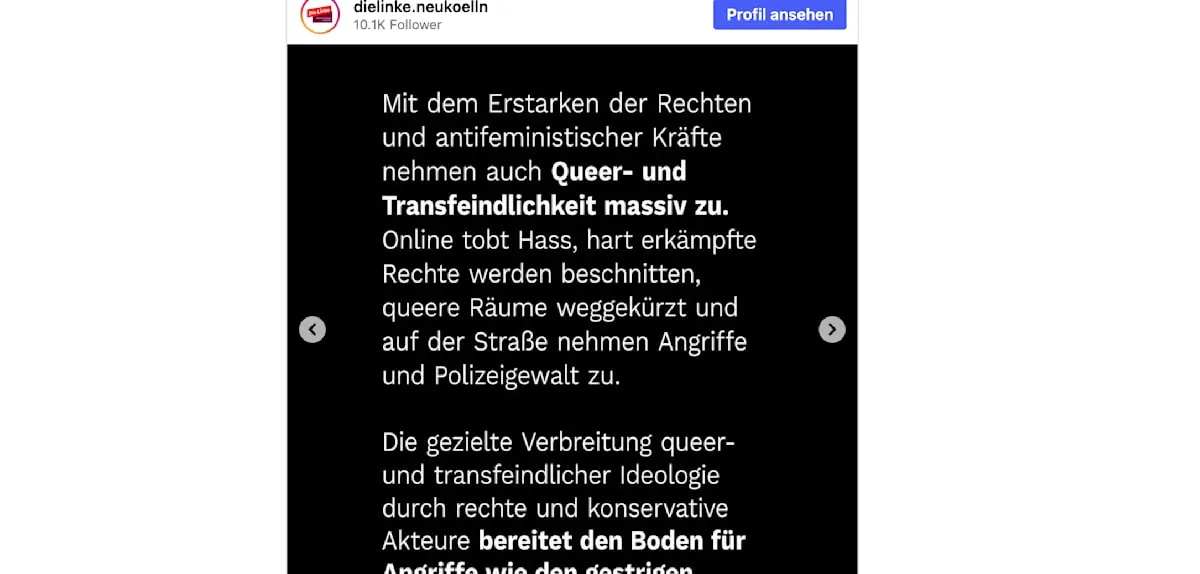
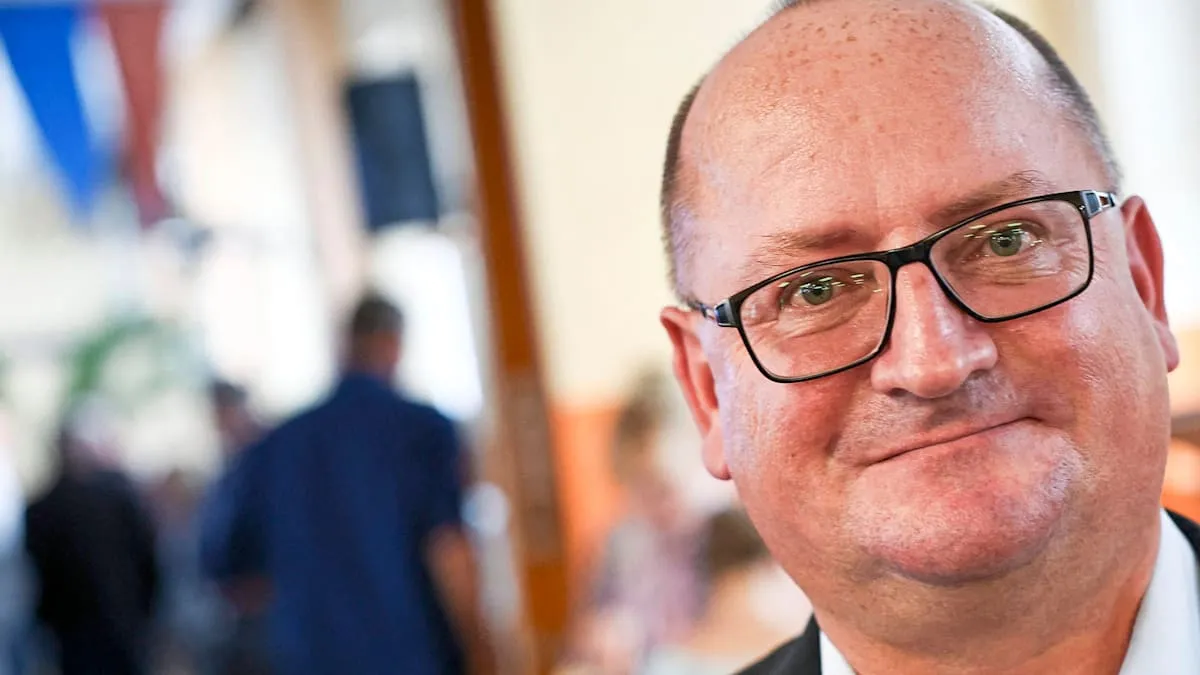
BERLIN — Senior Christian Democratic Union (CDU) politician, Stefan Evers, has launched a scathing critique against the Left Neukölln party. Evers asserts that the party demonstrates a dangerous denial of reality in addressing the deadly attack on Christopher Street Day (CSD) celebrations in Berlin in 2026, particularly concerning the political Islamist motivations underpinning the tragic incident.
Evers, an experienced figure in the German political landscape, emphasizes that the unwillingness to openly acknowledge the root cause is an essential part of the problem faced by the left-wing group today. His statement follows what he describes as an incomplete response from the Left Neukölln party to the incident.
The terror attack that rocked CSD Berlin 2026 resulted in one fatality and several injuries, creating an atmosphere of grief and fear in the German capital. This event quickly sparked an intense debate about national security and the identification of extremist threats.Islamist Terror Threat Haunts CSD 2026 Celebrations.
Left Neukölln, in its official response, exclusively pointed fingers at right-wing and anti-feminist forces as being responsible for or instigating the violence. This statement immediately triggered controversy, as authorities and many observers had highlighted the suspected Islamist motivation of the perpetrator.
Stefan Evers underscored Left Neukölln's failure to explicitly mention the suspected perpetrator's Islamist motive. According to him, this is not merely an oversight but a reflection of a systemic pattern of avoiding uncomfortable discussions, especially when it comes to extremism that does not align with their adopted political narrative.
“The denial of reality in dealing with political Islam is part of the problem of this left,” Evers stated unequivocally. He added that such an attitude could undermine collective efforts to effectively understand and combat all forms of extremism.
The CSD Berlin 2026 incident illustrates the vulnerability of European metropolises to acts of terrorism, while also revealing the complexities of political responses. The polarization of views on the causes and handling of extremist threats is increasingly evident in German society.Germany Fails to Protect CSD 2026: ISIS Terrorists Act Freely, Who is Responsible?
Initial analyses from security agencies, subsequently reported by various national media, indicated that the suspected perpetrator had a background linked to radical Islamist ideology. Some reports even mentioned the perpetrator's history of attempting to join international terrorist organizations.CSD Berlin Terror: Perpetrator Killed After Two ISIS Recruitment Attempts.
Evers's criticism is not isolated. A number of politicians and public security analysts have also voiced similar concerns regarding an approach deemed too cautious or even naive in confronting the Islamist terror threat in Germany.Serious Discussion: Germany Must Stop Underestimating Islamist Threat Post-CSD 2026.
The German police union, for instance, has urged the government to take stronger action, including the removal of dangerous Islamist figures from public spaces. This indicates a growing consensus in some sectors regarding the need for a more realistic and firm approach.Police Union Demands Withdrawal of Islamist Figures Post-CSD Berlin 2026.
Evers also highlighted how the refusal to acknowledge specific terrorist motivations can hinder the development of effective counter-terrorism strategies. If ideological roots are not correctly identified, prevention and deradicalization efforts will lose their direction.
Discussions about political Islam in Germany have become a sensitive and often divisive topic. However, critics like Evers argue that an unwillingness to discuss it openly and honestly will only exacerbate the problem, allowing extremist ideologies to flourish beneath the surface.
Left Neukölln has not yet issued an official response to Stefan Evers's direct criticism. Nevertheless, their stance indicates a deep philosophical divergence on how society should tackle the threat of extremism in its various manifestations.
This situation raises important questions about the integrity of public discourse and the responsibility of political parties to provide honest and comprehensive analyses to their constituents. Especially concerning crucial issues that directly impact security and social cohesion.
The German government under Chancellor Olaf Scholz continues to face pressure to balance freedom of expression with the protection of citizens from extremist threats. Incidents like CSD Berlin 2026 serve as a severe test of this commitment.
Overall, the controversy sparked by Left Neukölln's response and Stefan Evers's sharp criticism highlights Germany's ongoing challenges in confronting the threat of terrorism. The importance of accurately naming the enemy, without concealing ideological motives, is becoming a central focus of current political debate. Lifting the veil of reality denial is a crucial step to protect democratic values and ensure the security of citizens in the future.