 Chris Robert
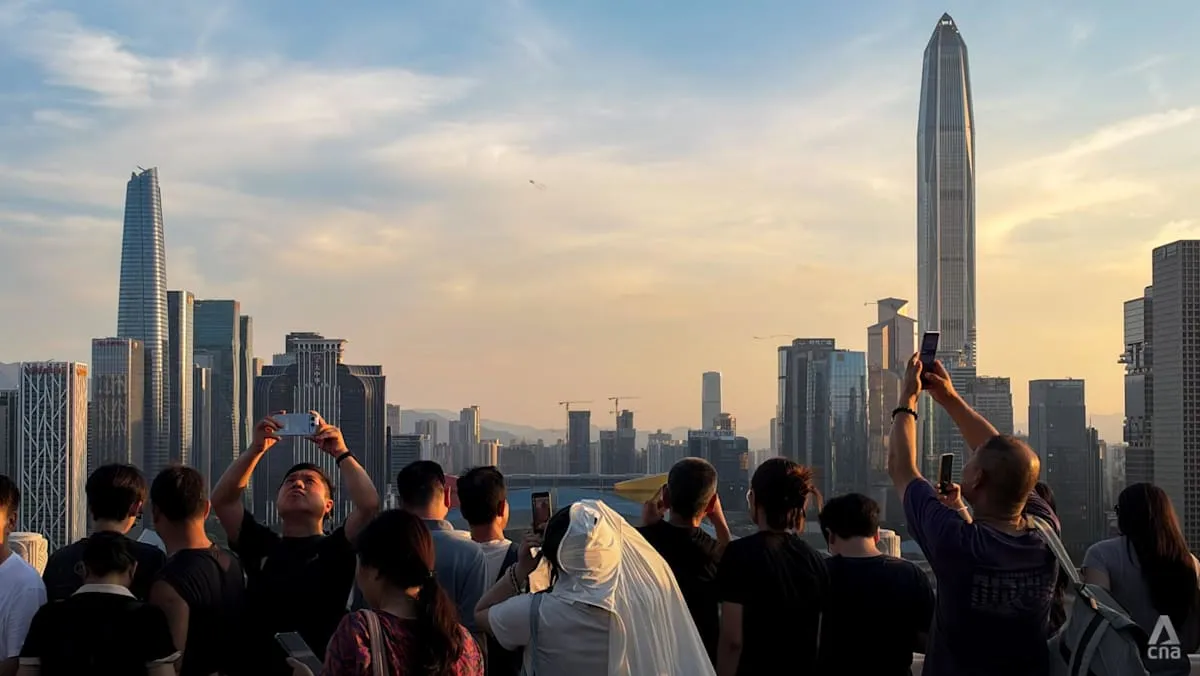
SHENZHEN – The city of Shenzhen, known as China's locomotive of technological innovation, is preparing to host the upcoming Asia-Pacific Economic Cooperation (APEC) Summit in 2026. China's choice of this city is no mere coincidence, but rather a reflection of its global economic ambitions and Beijing's desire to deepen regional cooperation amidst geopolitical dynamics. Analysts believe Shenzhen's remarkable transformation from an economic experiment zone into a world-class technology hub makes it the most fitting stage for this high-level diplomatic gathering.
Shenzhen's journey began as China's first Special Economic Zone (SEZ) in the early 1980s, a strategic decision that transformed a small fishing village into a global megacity. The reform and opening-up policies spurred an unparalleled wave of investment and innovation, attracting talent from all corners and creating a dynamic technological ecosystem. Today, the city is home to tech giants like Huawei and Tencent, as well as thousands of innovative startups.
Economic and diplomatic observers highlight the symbolic significance behind China's decision. Shenzhen represents China's vision for modernization and prosperity that can be achieved through innovation and openness, said Dr. Li Wei, an expert in international relations from Tsinghua University, in an interview. Hosting APEC here sends a strong message about China's economic power and its commitment to multilateralism.
The APEC Summit will bring together economic leaders from 21 member economies to discuss crucial issues related to trade, investment, and sustainable development. Key agenda items are expected to include:
- Facilitating free trade and investment.
- Deeper regional economic integration.
- Digital innovation and green economy.
- Inclusive and sustainable development.
The selection of Shenzhen also underscores China's efforts to position itself as a leader in the digital economy and technological innovation. The city is at the forefront of artificial intelligence, 5G, and other advanced technologies, making it a model for other developing nations in the Asia-Pacific region. This can also serve as a platform for China to promote its Digital Silk Road initiative.
Furthermore, the city's transformation provides invaluable logistical advantages. Shenzhen's modern infrastructure, global connectivity, and international-scale meeting facilities are highly capable of accommodating delegations from various countries. The city's experience in organizing large-scale events ensures the smooth conduct of the APEC Summit.
This decision is also seen as a move to strengthen China's influence in regional forums. By showcasing Shenzhen, China not only exhibits its economic success but also asserts its role in shaping the Asia-Pacific economic architecture. It is a tangible demonstration of China's capacity to lead and innovate.
Some observers also argue that appointing Shenzhen can help balance global perceptions of China. Instead of solely focusing on complex geopolitical issues, this choice shifts the narrative towards the economic potential, collaboration, and technological advancement that China offers to the world.
Discussions related to regional economic cooperation become increasingly relevant given global challenges such as post-pandemic recovery and geopolitical uncertainties. Shenzhen's presence as an innovation hub is expected to stimulate constructive dialogue and generate concrete solutions to drive inclusive economic growth across the APEC region.
Editorial Insight: The selection of Shenzhen as the host city for the 2026 APEC Summit is a clever and highly significant strategic move by China. It is not merely about the venue, but about the message China aims to convey to the world: that it is an undeniable economic and technological powerhouse, ready to lead in fostering deeper regional cooperation and innovation. The success of this summit will further solidify China's position as a key player on the global stage, while also offering a blueprint for dynamic economic development in the modern era.