 Dodi Irawan
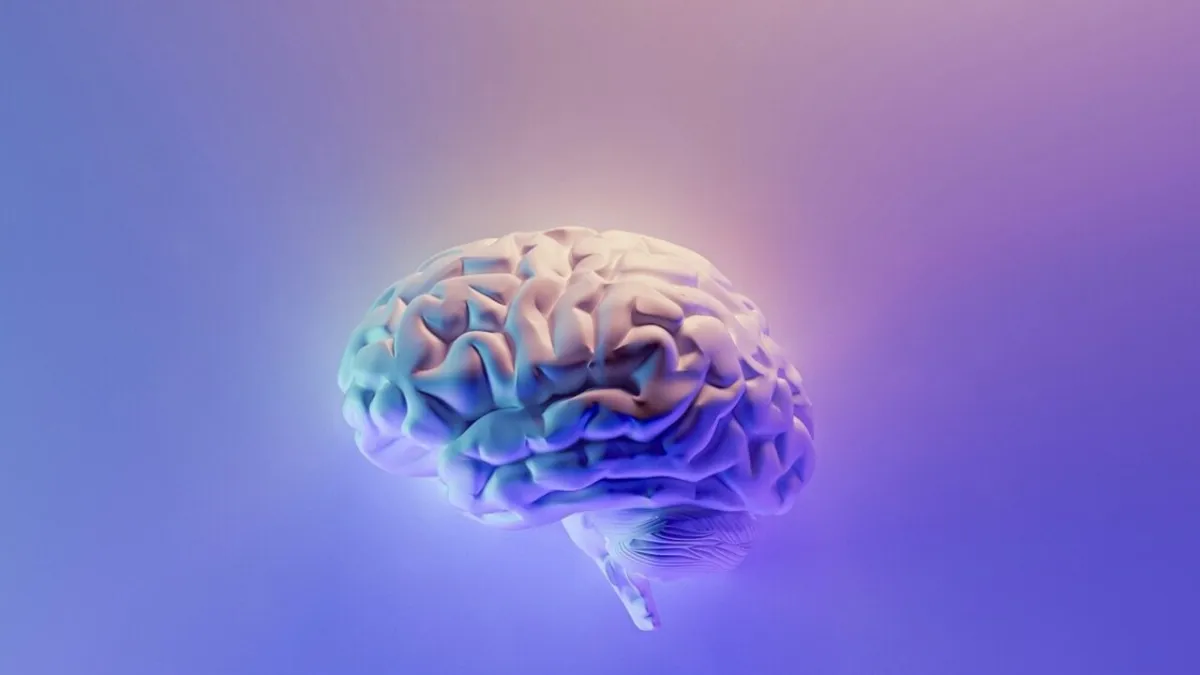
JAKARTA – A revolutionary new study has recently shaken the foundations of our understanding of the most complex organ in the human body: the brain. Scientists have announced a stunning discovery that the human brain, long considered a single, unified organ, is in fact comprised of two distinct organs, functionally and structurally differentiated. This monumental finding opens significant new vistas for the study of neurological diseases and the future treatment of obesity.
The findings, published in a leading scientific journal, challenge long-held dogmas in neuroscience. For centuries, we have understood the brain as a holistic entity responsible for all cognitive, emotional, and motor functions. However, the latest data indicate a deeper separation, implying that these two primary components operate independently yet are integrated in ways we are only beginning to comprehend.
The implications of this breakthrough are far-reaching. Researchers can now re-examine the fundamental mechanisms of various complex neurological disorders. For instance, conditions like Alzheimer's disease, Parkinson's disease, or schizophrenia might have distinct pathological roots in one of these two 'brain organs,' previously overlooked due to a singular approach.
Furthermore, the intricate link between the brain and obesity has long been a complex mystery. The discovery of the brain as two distinct organs offers a fresh perspective on how appetite control, metabolism, and responses to hunger or satiety signals are regulated. By identifying the specific areas potentially responsible, the development of more targeted therapies to combat obesity could become a reality.
Scientists believe that one organ might primarily focus on higher-order cognitive functions, while the other plays a dominant role in the regulation of autonomic functions and bodily homeostatic balance. This functional separation, though still requiring extensive research, could explain why some disorders affect cognitive aspects while others predominantly impact physical and metabolic functions.
This initial research utilized advanced brain imaging technologies and precise genetic analyses. These cutting-edge techniques allowed experts to differentiate neural activity patterns and connectivity between these two entities, revealing fundamental differences that had escaped previous observation.
The international scientific community has welcomed this discovery with high enthusiasm. Many neurologists and endocrinologists predict that this new paradigm will spark a wave of novel research globally. Interdisciplinary collaboration will be key to fully unraveling the complexities of these two brain organs.
The long-term impact of this discovery is expected to revolutionize the field of neurological medicine. More personalized treatments and more effective interventions for a range of neurological conditions, from depression to stroke, are promising prospects. Additionally, a deeper understanding of the brain-body connection will accelerate innovation in mental and metabolic health.
This transformation in brain understanding also has the potential to alter approaches in artificial intelligence (AI) and brain-computer interface development. If the brain operates as a dual system, future AI architectural designs might mimic this structure to achieve more sophisticated and efficient computational capabilities.
Researchers emphasize that while this discovery is highly significant, many questions still need answers. Further studies will focus on detailed mapping of inter-organ connectivity, biochemical interactions, and how the development of these two organs occurs throughout an individual's life. This will pave the way for a more comprehensive understanding of brain health and disease.
Editorial Insight:
The discovery that the human brain is, in fact, two distinct organs marks an epistemic leap in science. This is not merely a minor revision but a paradigm shift with the potential to transform how we perceive consciousness, disease, and even our biological identity. For the medical world, the implications promise far more precise and effective therapies. Yet, beyond the laboratory, this finding also sparks profound philosophical questions about the unity of self and the intricate complexity of our biological existence.