 Chandra Wijayanto
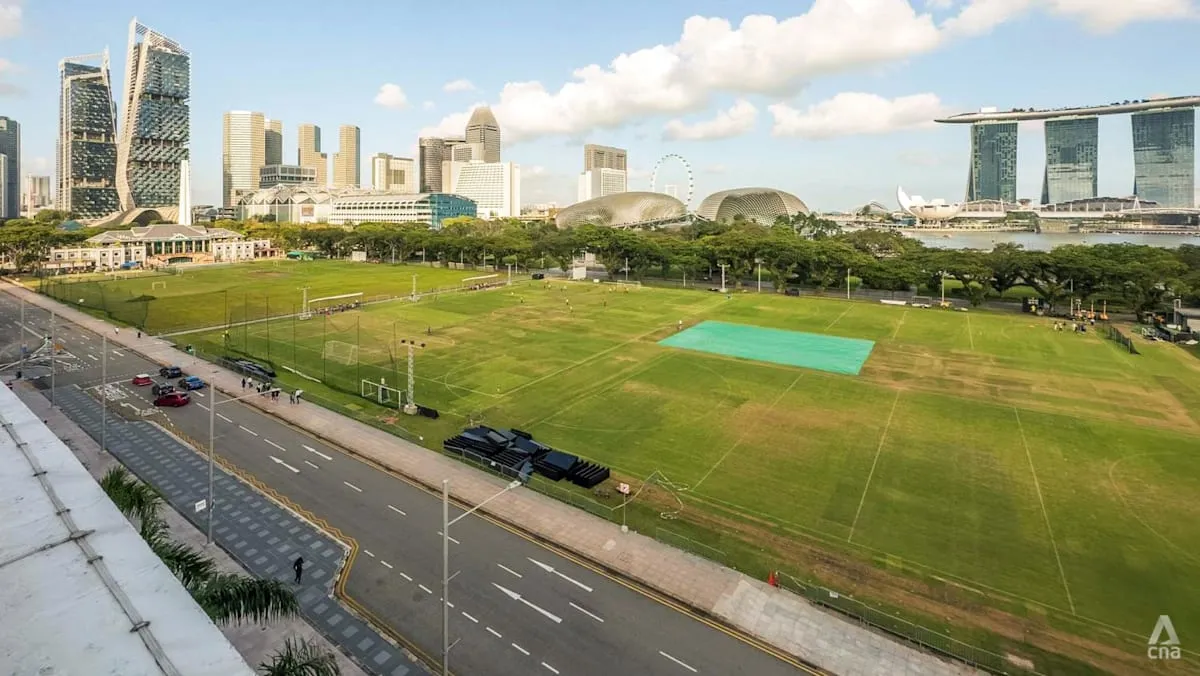
SINGAPORE – The Singaporean government officially withdrew its UNESCO World Heritage bid for the Padang area and several surrounding historic buildings in 2026. This surprising decision was announced by the National Heritage Board (NHB), following deep consideration regarding the potential development restrictions arising from a larger buffer zone and additional planning requirements. These restrictions could affect private commercial properties and future redevelopment projects in the Civic District.
This strategic move marks a shift in Singapore's focus, balancing the preservation of cultural heritage with aspirations for modern urban development. City authorities underscored the urgency of maintaining planning flexibility, a crucial element for economic growth and the city's adaptation to future challenges. This withdrawal reflects a common dilemma faced by densely populated global cities in managing limited land.
The Padang, an iconic open field, along with its surrounding colonial buildings such as the Supreme Court and City Hall, constitutes the historical heart and national identity of Singapore. This area has witnessed various significant events, from independence parades to national celebrations. The potential designation as a World Heritage site would have solidified the site's global significance.
However, according to the National Heritage Board, UNESCO World Heritage status would necessitate the implementation of a wider buffer zone and a stricter set of planning requirements. These regulations, if applied, could potentially hinder redevelopment projects in several private commercial buildings and long-term plans for the revitalization of the Civic District. The NHB stated that these impacts are not aligned with Singapore's development vision.
This decision underscores Singapore's commitment to urban innovation and adaptation. By not being bound by strict UNESCO regulations, the government can pursue ambitious projects deemed vital for the city's future. Redevelopment in the Civic District may include infrastructure modernization, improved connectivity, and the creation of new dynamic spaces.
Nevertheless, some parties might regret this decision, viewing it as a lost golden opportunity to elevate Singapore's cultural heritage profile on the international stage. UNESCO status often brings benefits such as increased tourism, conservation support, and global recognition of a site's historical value.
The Singaporean government, through NHB, has repeatedly affirmed its commitment to cultural heritage preservation, regardless of UNESCO status. Various local conservation initiatives and programs will continue to ensure that historical sites maintain their integrity for future generations. Singapore has a strong track record in preserving heritage sites, such as the Singapore Botanic Gardens, which received UNESCO recognition in 2015.
The dilemma between preservation and development is not new for Singapore, a city-state constantly seeking balance amidst geographical limitations. Every inch of land holds high economic value, requiring every urban planning decision to be carefully considered from multiple perspectives.
This decision regarding the Padang could set a precedent for other cities facing similar pressures. It demonstrates that there is a point where pragmatic considerations of development and economic growth can outweigh the allure of global prestige from heritage recognition.
The Singaporean government believes that by retaining full control over the planning of the Civic District, they can create an urban environment more responsive to the needs of its citizens and economic opportunities. This is a bold step, reflecting clear national priorities: sustainable development and economic advancement.
Editorial Insight: Singapore's decision to withdraw its UNESCO World Heritage bid for the Padang and historic buildings is a pragmatic move illustrating the nation's focus on growth and urban planning flexibility. While the potential loss of global prestige is a tangible consequence, prioritizing long-term development in the Civic District signals Singapore's commitment to shaping its own future. This dilemma highlights the perennial debate between heritage preservation and modernization demands frequently faced by metropolitan centers.