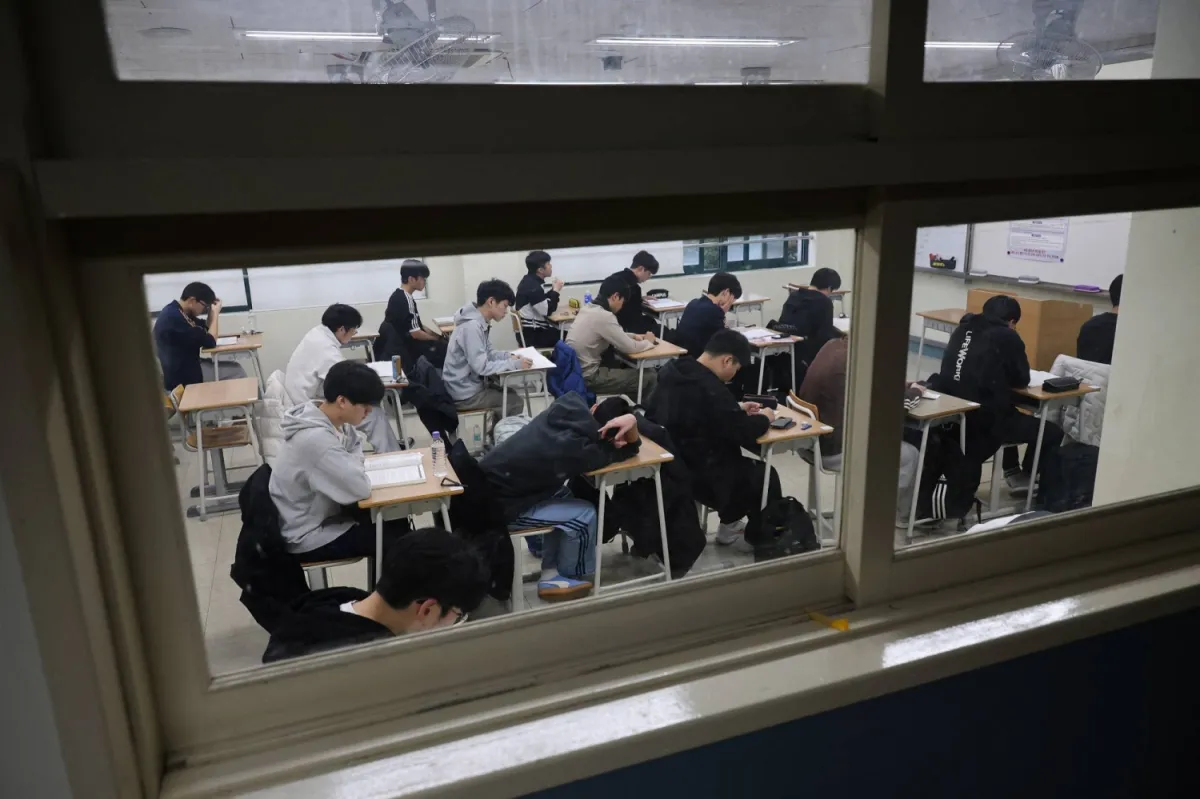
SEOUL – South Korea is currently shaken by an alleged large-scale cheating scandal in its most prestigious national examination of 2026. A candidate who achieved a near-perfect score in the first round, 397.5 out of a total of 400 points, is now the focus of an intensive investigation following a confession of using artificial intelligence (AI) to obtain the results.
The investigation was triggered by public and official suspicions after witnessing the extraordinary results. Only one incorrect answer out of 160 questions is a performance rarely achieved, even by the most brilliant participants, thus sparking speculation about illegal assistance.
The candidate, whose identity is still withheld by authorities to protect the integrity of the legal process, surprisingly admitted to utilizing AI technology during the examination. This confession immediately caused a wave of serious concern regarding the integrity of the education system amidst the rapid development of technology.
South Korean education authorities, including the Ministry of Education and the examination organizing body, promptly formed a special investigative team. Their task is to thoroughly investigate how AI could have been used to manipulate such a complex exam's results, as well as the extent of its impact on academic assessment credibility.
This incident occurs amidst a global debate regarding the ethics and regulation of AI use across various sectors, particularly in education. Since 2025, the integration of AI in learning has provided many conveniences, but it also opens new avenues for more sophisticated cheating practices.
Professor Lee Min-ho of Seoul National University, an expert in AI ethics, stated, 'This case serves as a stark warning to all of us. AI's potential is immense, but without strict oversight and clear regulations, it can undermine the foundation of trust in our education system.'
The phenomenal score of 397.5 out of 400 points, with only one error, astonished many. This result immediately drew attention because statistics show the extremely high difficulty level of the South Korean national exam, making such a score an anomaly.
Initial suspicions arose from an analysis of the candidate's answer patterns, which showed extraordinary consistency and unusually fast response times. Digital forensics technology is now being applied to examine the devices used by the candidate, including the possibility of using AI-connected software or hardware.
This case is not the first to emerge in the history of modern education. However, the direct use of AI in a national exam marks a new dimension of threat to academic fairness. Similar incidents involving advanced technology have also been reported, for example, in the South Korea's National Exam Shock: Top Scorer Admits AI Cheating case that triggered a national discussion.
The implications of this scandal are potentially widespread, ranging from a review of all exam security procedures to the development of AI detection technologies. Society demands clarity and decisive action to restore public confidence in a fair and equitable education system.
Editorial Insight: This AI cheating scandal in South Korea's national exam is not merely an individual incident, but a reflection of a broader global challenge in maintaining academic integrity in the digital age. This event forces education systems to innovate faster in confronting AI advancements, not only as a learning tool but also as a potential threat. A swift and transparent response from authorities will determine how public trust in exam results can be maintained in the future.