 Chris Robert
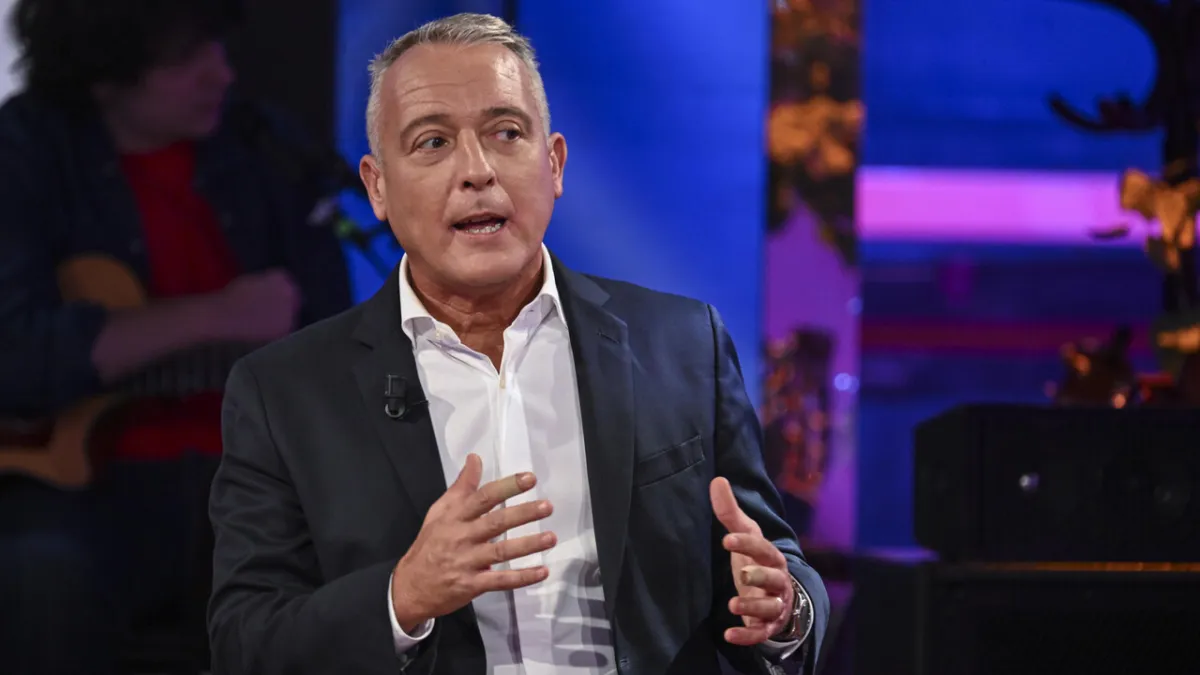
ROME – Italy's public broadcaster, Rai, officially launched an investigation into its television program 'Bellama' and its host, Roberto Diaco, in 2026. This action follows the widespread dissemination of off-air audio recordings that sparked public controversy, alongside polemics surrounding a specific interview he conducted. The incident has placed Diaco under intense scrutiny.
This internal investigation was initiated following public and media pressure, especially after the controversial audio was circulated as part of an inquiry by journalist Selvaggia Lucarelli. The recordings allegedly revealed off-air conversations or moments deemed inappropriate or unprofessional, conflicting with public broadcasting standards.
The controversy escalated further with polemics related to Diaco's interview with Ravagnani. Specific details of the interview remain under investigation, but it is strongly suspected to contain elements that caused discomfort or criticism from various parties, both internal and external to Rai.
Responding to this precarious situation, Roberto Diaco openly expressed his feelings. In an emotional statement, he declared, 'This is my most difficult day, but we must go on.' This statement reflects the severe pressure faced by the presenter amidst the storm of criticism and investigation.
Rai, as a national broadcasting entity accountable to the public, is committed to upholding journalistic integrity and ethics. This accountability process is expected to restore public trust in its programs and presenters.
Internal Rai sources indicate that the investigation will include a review of 'Bellama's' production procedures, an evaluation of the presenter's conduct, and the impact of this incident on the institution's image. The findings of this investigation will significantly determine the program's future and Diaco's career.
This scandal is not the first time the media industry has faced issues of ethics and professionalism. Similar cases often trigger broader discussions about the boundaries between the private and professional lives of public figures, especially those working under the umbrella of public broadcasting institutions.
This event also serves as an important reminder for all journalists and media professionals of their responsibility to convey information and uphold high moral standards. Transparency and integrity are key pillars in building public trust in the media.
The impact of this investigation could lead to a restructuring of the 'Bellama' program format or even its cancellation, depending on the findings and recommendations produced. The Italian public now awaits clarity and concrete action from Rai regarding this matter.
Editorial Insight: The incident involving Rai and the 'Bellama' program highlights the complexities of reputation management in the digital age, where information can spread rapidly and trigger instant crises. Transparency in the investigation process and decisiveness in decision-making will be crucial for Rai to restore its credibility as a public broadcasting institution, while also serving as a valuable lesson for the global media industry regarding behind-the-scenes ethics. This case may spark discussions about data security concerns and information vulnerability across various platforms.