 Robert Andrison
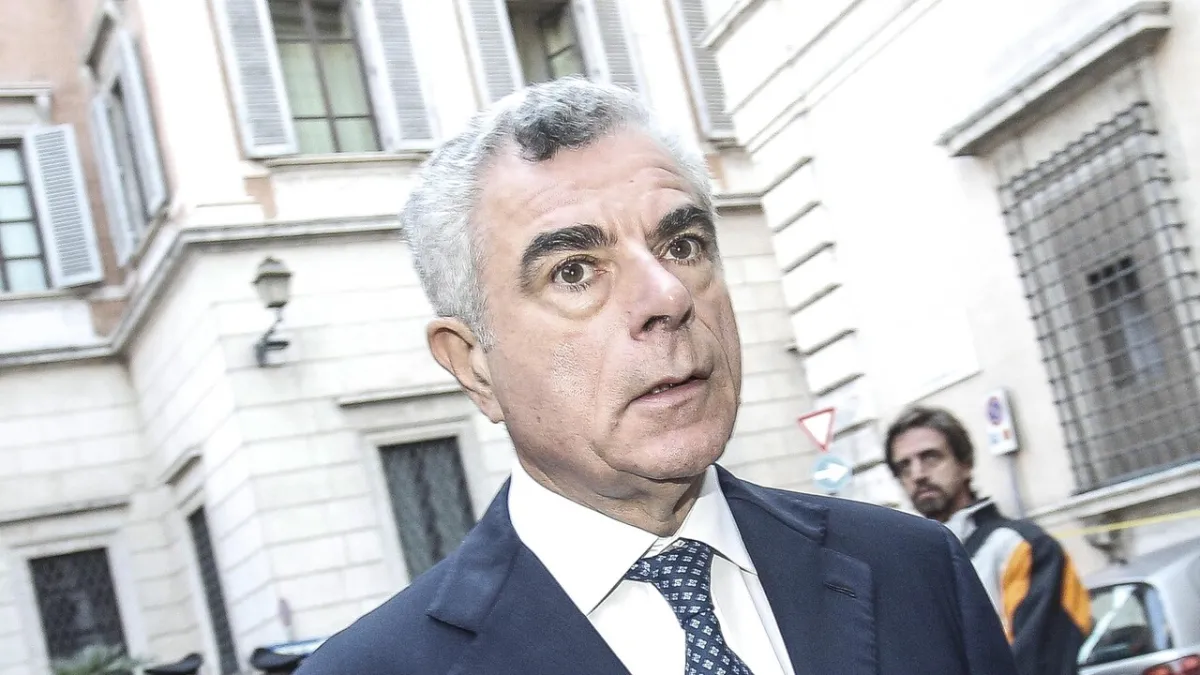
ORVIETO – Mauro Moretti, the former CEO of Ferrovie dello Stato (FS), is no longer in prison. He has left the detention facility in Orvieto, Italy, to serve the remainder of his five-year sentence for his role in the 2009 Viareggio train tragedy under house arrest. This decision, effective recently in 2026, marks a new chapter in one of Italy's most sensitive corporate negligence cases.
Moretti, who led the Italian national railway company from 2007 to 2014, began his incarceration at the Orvieto prison on June 26, 2026, after the Supreme Court's definitive ruling confirmed a five-year sentence for his involvement in the fatal incident.
The Viareggio tragedy, which occurred on June 29, 2009, was one of the worst train disasters in Italian history. A freight train carrying propane gas derailed and exploded in the center of Viareggio, killing 32 people and injuring dozens, while causing extensive damage to the city's infrastructure.
A long and complex investigation revealed a series of negligences in wagon maintenance, safety management, and operational oversight. Moretti, along with several other executives and technicians, faced charges of multiple manslaughter due to negligence and workplace safety violations.
The legal journey of this case spanned over a decade, involving various levels of courts and appeals, ultimately reaching the Supreme Court. The final ruling in 2026 affirmed Moretti's responsibility as the top leader of FS for the lack of adequate safety systems within the company, which indirectly contributed to the disaster.
Despite the Supreme Court's final verdict, Italian law allows inmates with a certain remaining sentence to serve part or all of their detention at home, especially for those not considered high-risk or who meet specific criteria, such as age or health conditions. In Moretti's case, the decision to transfer his detention to house arrest followed applicable legal procedures.
Moretti's move to house arrest triggered mixed reactions among the Italian public, particularly from the families of the Viareggio tragedy victims. For many families, Moretti's conviction represented an affirmation of justice after years of struggle. However, the house arrest decision could create a perception of leniency, despite being a standard legal procedure.
Legal observers and the public in Italy often highlight how cases of corporate negligence and major disasters are handled by the justice system. The Viareggio case became a symbol of the victims' long fight for justice and accountability from corporate leaders.
Moretti's change in detention status also reopens discussions about the effectiveness of criminal sanctions for white-collar crimes, as well as the balance between justice for victims and prisoner rehabilitation. The legal system strives to balance these various aspects, though it often leads to public controversy.
This case will continue to be an important reference in the debate about managerial responsibility and workplace safety in the Italian transport sector, as Moretti serves the remainder of his sentence under strict supervision.
Editorial Insight: The decision to transfer Mauro Moretti to house arrest, while part of the existing legal framework, inherently sparks debate about justice and accountability. The Viareggio tragedy is a deep wound for Italy, and every development in this case will always be closely monitored. The legal system must ensure that such decisions are not solely based on procedure but also consider the psychological and social impact on victims and the public. This remains a constant challenge for modern jurisprudence to find a balance between legal rigidity and society's perceived need for justice.