 Angel Doris
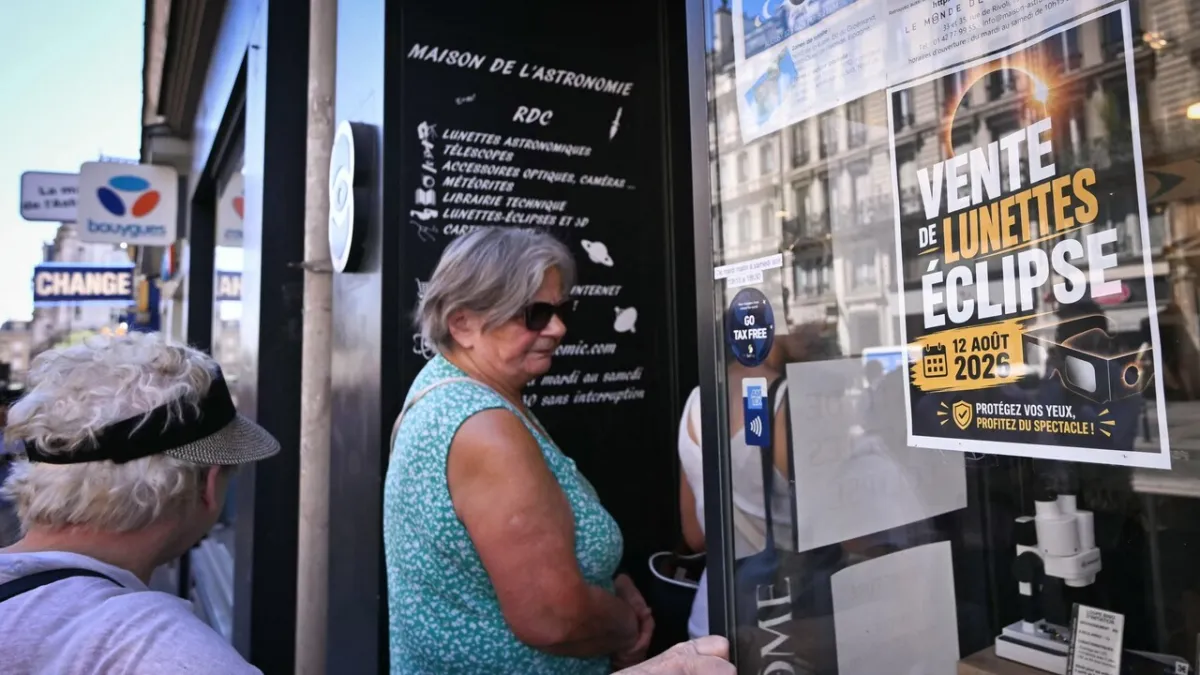
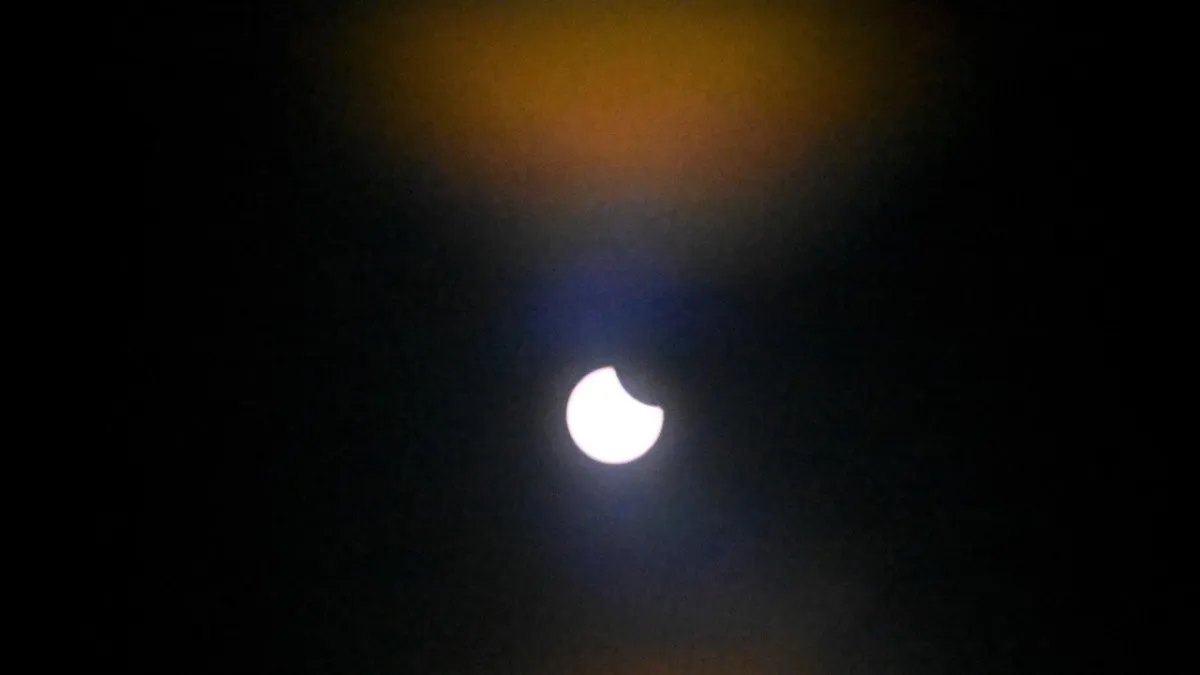
MADRID – The world is preparing to welcome one of the most spectacular astronomical phenomena of 2026, a total solar eclipse. Intensive preparations are currently underway across various parts of the planet, involving scientists, government authorities, and the general public to ensure a safe and educational experience. This rare celestial event is predicted to be a major highlight, attracting the attention of millions of observers and researchers.
The 2026 total solar eclipse will traverse significant regions in Europe and parts of North America. Spain, for instance, is one of the most prepared nations, with the path of totality passing over major cities like Madrid and Valencia. Across the Atlantic, small parts of Greenland and Iceland will also have the opportunity to witness daytime darkness, fueling global excitement.
Astronomers from various institutions, including the European Space Agency (ESA) and NASA, have allocated substantial resources for research during the eclipse. They hope to collect crucial data regarding the sun's corona, the outer atmosphere of our star that is only clearly visible during a total eclipse. This study is vital for understanding solar dynamics and its impact on Earth.
Health and education authorities in countries within the eclipse's path have launched national campaigns to educate the public on safe solar eclipse observation. The distribution of ISO-certified eclipse glasses is a priority, given the danger of permanent eye damage from directly viewing the sun without proper protection.
The tourism sector in regions crossed by the eclipse's path of totality is experiencing a significant surge. Hotels and accommodation facilities have been booked well in advance, while various eclipse-themed tour packages are being offered to attract domestic and international tourists. This presents a substantial economic opportunity for these areas.
Observatories and universities worldwide are setting up temporary observation stations equipped with advanced telescopes and cutting-edge spectroscopic instruments. Scientists plan to use the latest technology to record every second of the eclipse, generating high-resolution images and data never before achieved, opening new horizons for research.
Many local communities are organizing joint viewing events, festivals, and educational workshops. These initiatives aim to foster public interest, especially among the younger generation, in science and astronomy. Cross-sector collaboration between governments, scientific institutions, and communities is key to the success of these events.
A total solar eclipse is a relatively rare event in any given location, often taking decades or even centuries to recur. The opportunity to observe this phenomenon encourages many people to travel great distances, making it a deeply personal and collective moment.
Governments in countries within the eclipse's path are actively supporting preparations, from traffic management and public safety to providing infrastructure for observers and researchers. International coordination is also crucial for sharing information and resources, ensuring a smooth overall process.
A total solar eclipse is not just a visual spectacle; it's a giant natural laboratory for us scientists, stated Professor Elena Rossi, a leading astrophysicist from Complutense University of Madrid, during a press conference. The data we collect will help unravel the mysteries of the sun's corona, which has long been an enigma, and understand its interaction with Earth.
Discoveries resulting from the 2026 eclipse observations are expected to enrich human understanding of the sun, space weather, and its potential impact on Earth's technology, such as power grids and satellite communication systems. This marks a significant step forward in our exploration of the solar system.
Editorial Insight: The 2026 total solar eclipse reaffirms the importance of global collaboration in science and education. Amidst the flurry of preparations, we witness how a natural event can unite various parties, spark curiosity, and push the boundaries of knowledge. These meticulous preparations are a testament to the commitment to maximize every second of this rare phenomenon for the advancement of science and public awareness of the universe.