 Stefani Rindus
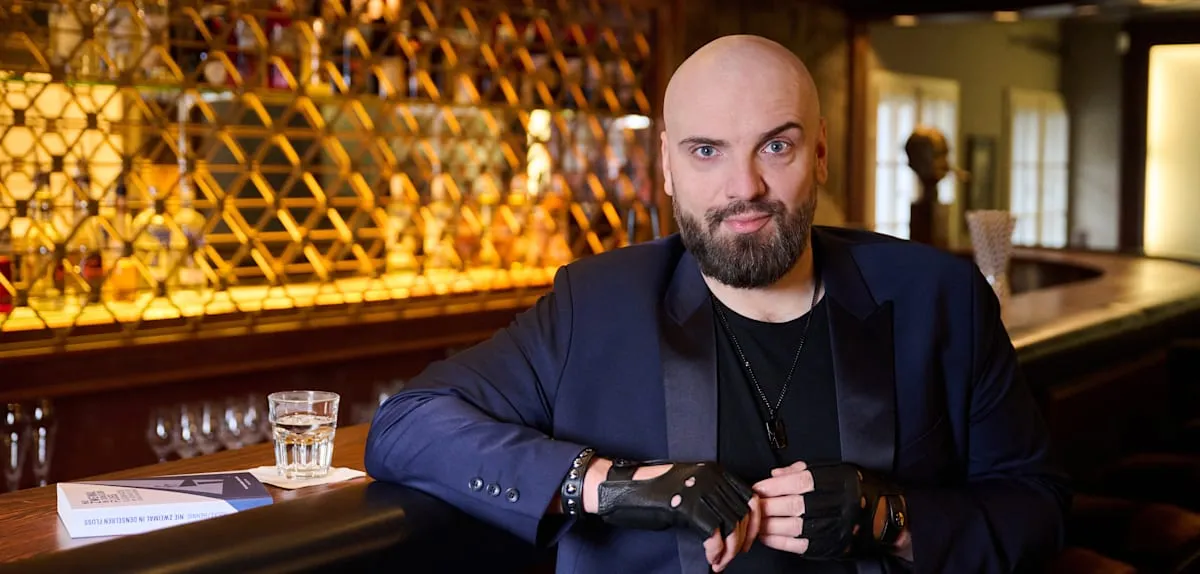
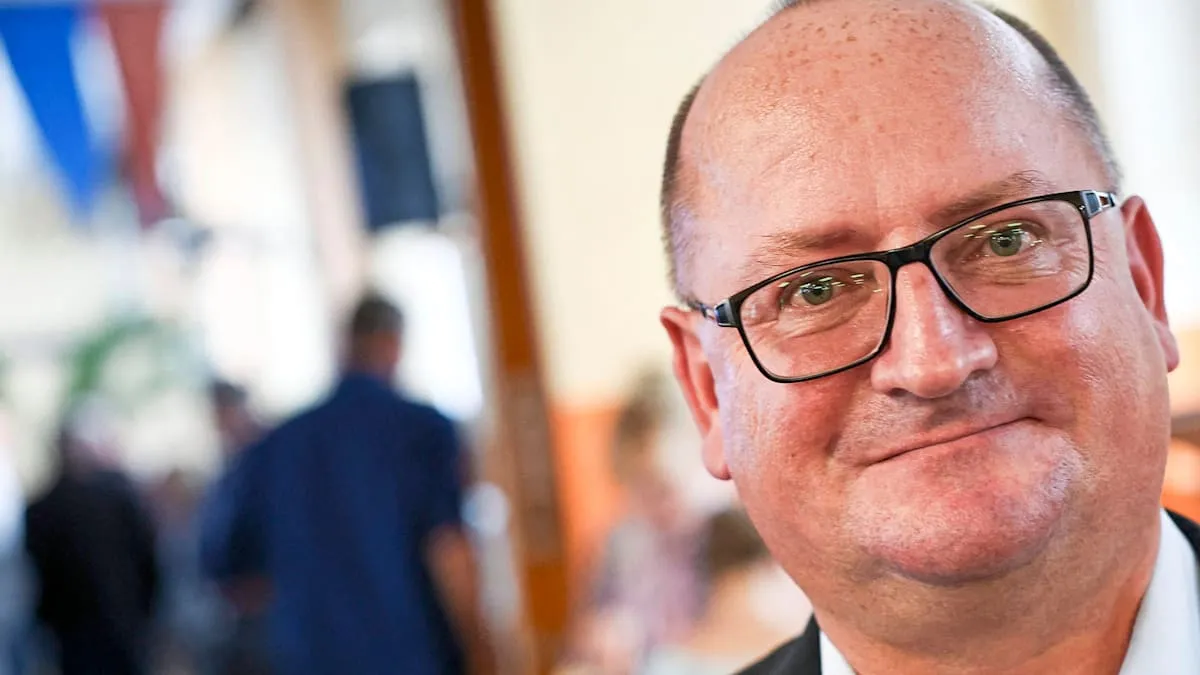
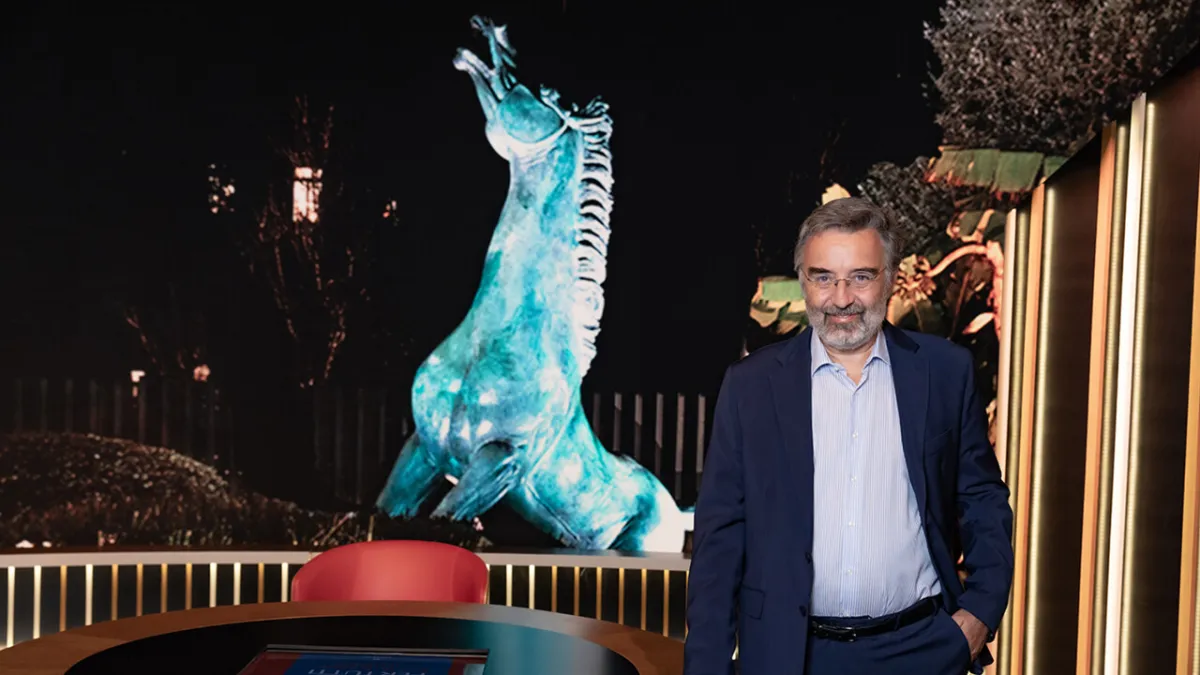
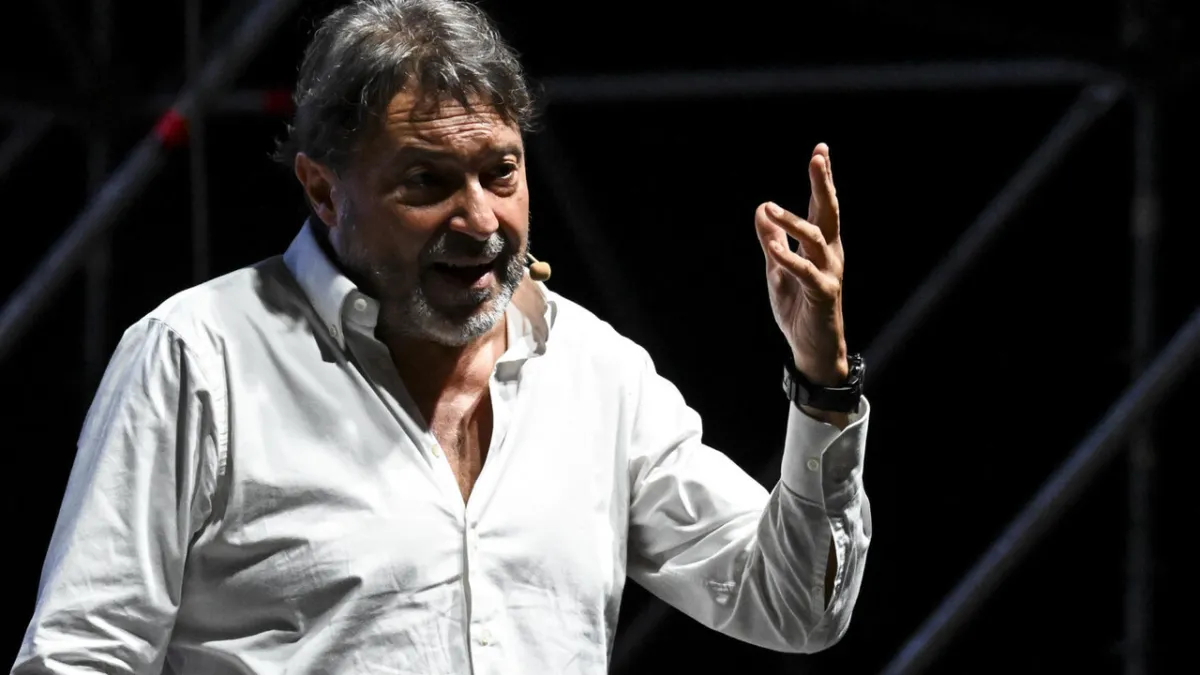
BERLIN – Renowned German satirist, Ingmar Stadelmann, has unequivocally termed the success of the Alternative for Germany (AfD) party in Sachsen-Anhalt as 'the German Brexit moment.' He made this statement following AfD's significant electoral victory, which is now shaking Germany's political landscape in 2026, triggering predictions of a 'wild' and uncertain political decade.
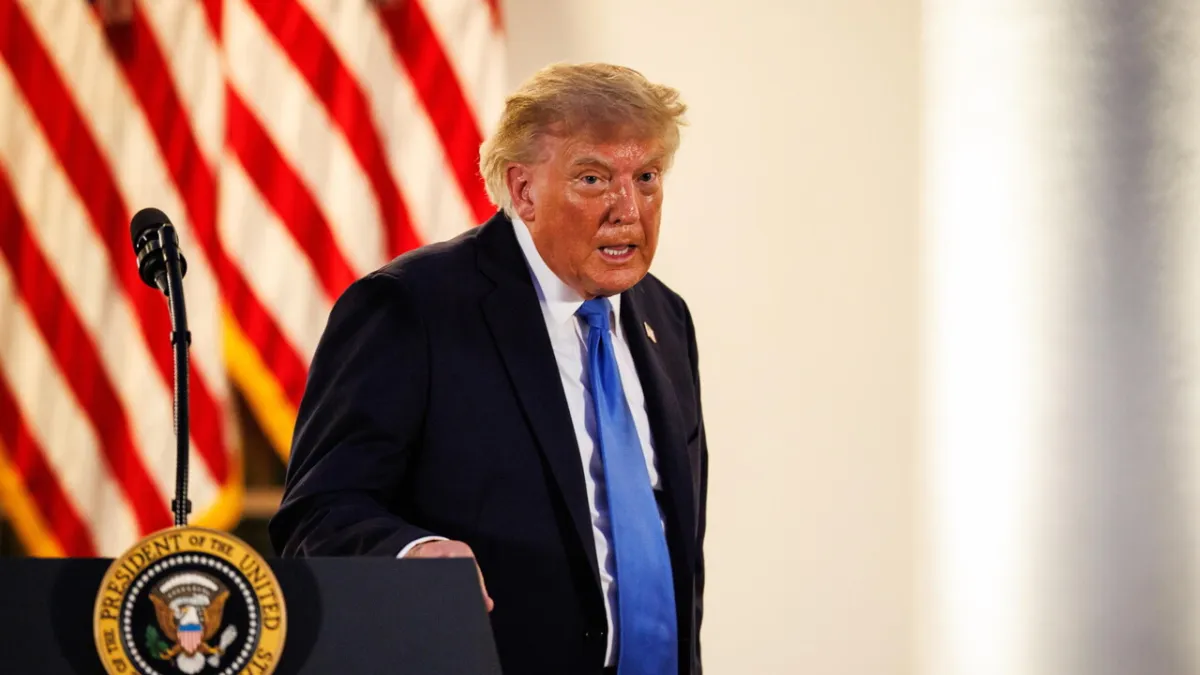
Stadelmann, known for his sharp and reflective commentary on socio-political issues, drew this comparison in the context of global populism. According to him, this phenomenon is inseparable from the waves that also propelled Brexit in the United Kingdom and the 'Make America Great Again' (MAGA) movement in the United States under President Donald Trump.
That is the German Brexit moment, Stadelmann asserted, underscoring the similar sentiments and political dynamics underlying the surge in support for far-right parties. AfD's victory in Sachsen-Anhalt, as highlighted in various media reports, indeed surprised many. AfD Shakes Sachsen-Anhalt: Far-Right Victory Jolts Germany 2026
This AfD success is not merely electoral figures; it is a profound indication of shifting voter preferences and public disillusionment with established parties. The Sachsen-Anhalt region has become a crucial barometer for political sentiment in eastern Germany.
Stadelmann projects that Germany is now entering a wild political decade that will be marked by serious challenges to its traditional political system. He foresees a prolonged period of uncertainty where political parties will struggle to find their footing amidst increasingly sharp polarization.
The satirist also opines that the euphoria of AfD's victory will be followed by a phase of political disillusionment, which may only become apparent after several years in governmental responsibility. The bitter experience of managing public expectations and delivering on campaign promises often becomes a stumbling block for populist parties.
This view resonates with observations from many political analysts who see similar cycles in other countries, where radical promises are difficult to implement in complex governmental practice. This phenomenon recalls the difficulties faced by post-Brexit governments in the UK or the challenges in fulfilling MAGA slogans in the US.
Parties like the CDU, which suffered a setback in the election, must now formulate new strategies to counter this wave of populism. CDU Reeling, Frei Insists on Leading Sachsen-Anhalt Coalition 2026 Pressure to form coalitions and find solutions to critical issues will intensify.
Germany's political future, according to Stadelmann, will no longer be the same. Traditional political forces are compelled to adapt, innovate, and listen to broader societal aspirations, including those who feel marginalized by mainstream narratives.
This is not just a crisis for specific parties but also a test for Germany's parliamentary democracy as a whole. How the political system will respond to the rise of the far-right and seek consensus amidst deep fragmentation will be crucial for the nation's stability.
Stadelmann's prediction invites serious reflection on the direction Germany will take. The big question now is whether this wild decade will lead to profound reforms or exacerbate political instability.
Editorial Insight: Stadelmann's comparison of AfD's success to Brexit and MAGA is more than rhetoric. It highlights a global trend where disillusionment with elites and systems fuels populist waves. The real challenge for Germany is not just how AfD will govern, but how other parties respond to prevent the erosion of democratic values and maintain social cohesion in the face of a projected turbulent decade.