 Angela Stefani
BERLIN — German opposition leader Friedrich Merz is facing a sharp wave of public criticism over a series of controversial personnel decisions, including the surrogacy scandal involving Jens Spahn and the dismissal of Transport Minister Schnieder. This situation has sparked an intense debate about Merz's leadership style, even as US journalist Erik Kirschbaum dismisses it as exaggerated, stating, "He did nothing wrong."
This fierce criticism emerged in mid-2026, highlighting Merz's approach to appointing and dismissing officials, which many consider rushed or insensitive to public sentiment. This wave of dissatisfaction threatens the internal stability of the Christian Democratic Union (CDU) party he leads.
One of the main triggers is the case involving Jens Spahn, a senior CDU politician, related to a surrogacy scandal. While the details of the scandal are still under discussion, Spahn's involvement in Merz's personnel decisions has raised significant questions from the German public regarding integrity and ethical standards within the party.
Moreover, the dismissal of Transport Minister Schnieder has also come under scrutiny. This decision, announced without adequate explanation, fueled speculation and anger among citizens who feel vital national policies are being manipulated for political gain.
Merz, known for his firm and sometimes controversial leadership style, only exacerbated public perception with his response. The German public demands greater transparency, especially from a leader aspiring to govern the country.
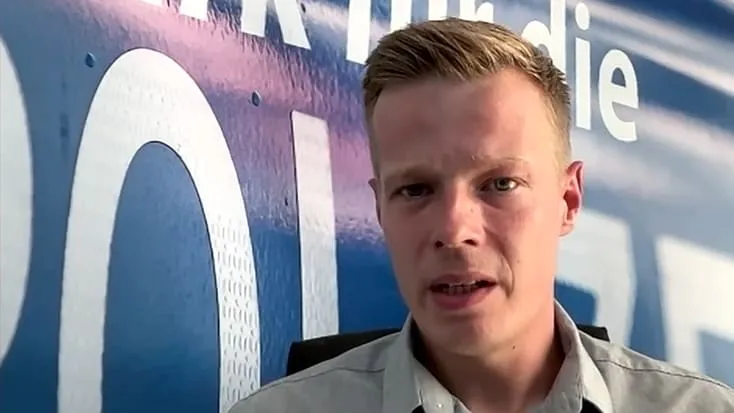
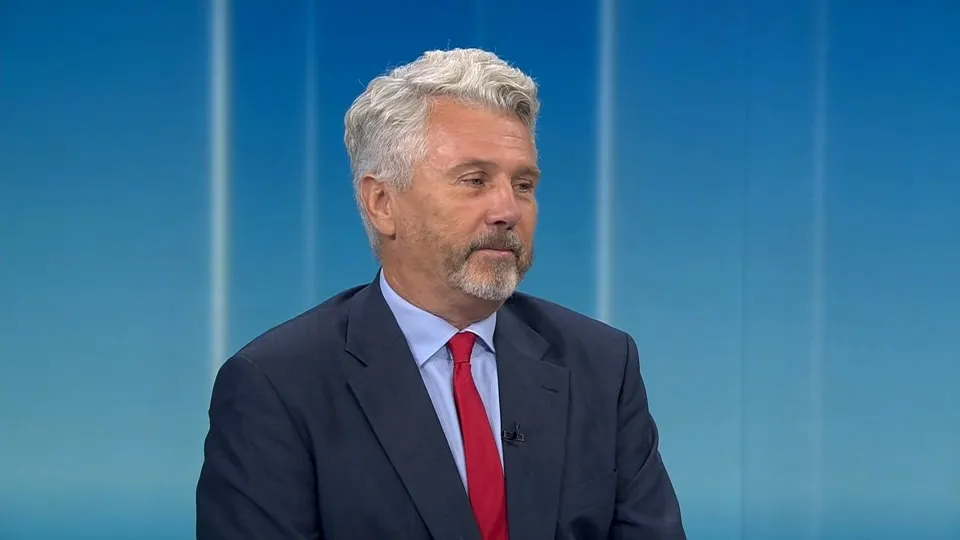
Amidst the domestic uproar of criticism, Erik Kirschbaum, a senior journalist from the United States, came to Merz's defense. Kirschbaum argues that the public reaction in Germany to Merz is overly harsh and disproportionate. "He did nothing wrong," Kirschbaum asserted in his interview, suggesting that the negative perception might be part of a "typically German" political dynamic.
Kirschbaum's view implies a difference in how German society and media interpret a leader's actions compared to international standards. He argues that personnel decisions are an integral part of political strategy and are often necessary for governmental effectiveness.
This defense from a foreign journalist, while offering an alternative perspective, has not immediately quelled the unrest in Germany. Merz's critics adhere strictly to high principles of accountability and transparency, especially given Germany's political history that demands integrity from its leaders.
This tension highlights the polarization occurring in the current German political landscape, between those who support reforms and strong leadership à la Merz, and those who prioritize consensus and caution in every political decision made.
Debates about "what is typically German" in confronting a leadership crisis like this become relevant. Is this a reflection of a highly critical political culture, or a signal that Merz needs to adjust his strategy to win over an increasingly skeptical public? Internal CDU conflicts also demonstrate the adverse impact of these personnel decisions, as seen in "CDU Bremen Shakes Merz: 'Old German' Perspective Hinders Unity?" indicating ideological divisions. (Related Link)
Friedrich Merz's political future in 2026 depends on how he navigates this storm of criticism. His ability to restore public trust and unite his party will determine whether he can maintain his ambition to achieve the highest office in Germany.
This situation also harks back to previous difficult periods in German politics, where leaders often had to face immense pressure. Merz's case is not the first, and likely not the last, to test the resilience of Germany's democratic system. (Related Link)
The public awaits concrete steps from Merz to address the existing doubts, either through more transparent official explanations or by demonstrating a changed approach in future personnel decisions. Without an effective response, this storm of criticism has the potential to significantly dim his political prospects.
This event underscores that in modern politics, public perception can be a key determinant of a leader's success, even when decisions are considered correct from an internal strategic viewpoint. The dynamic between leaders' actions and public reaction will continue to shape the direction of German politics.
In a broader context, this debate also reflects the challenges faced by many democracies, where polarization and the speed of social media information accelerate public reactions to every political decision. Merz's future responses will serve as a valuable lesson for many global politicians.