 Edward DP Situmorang

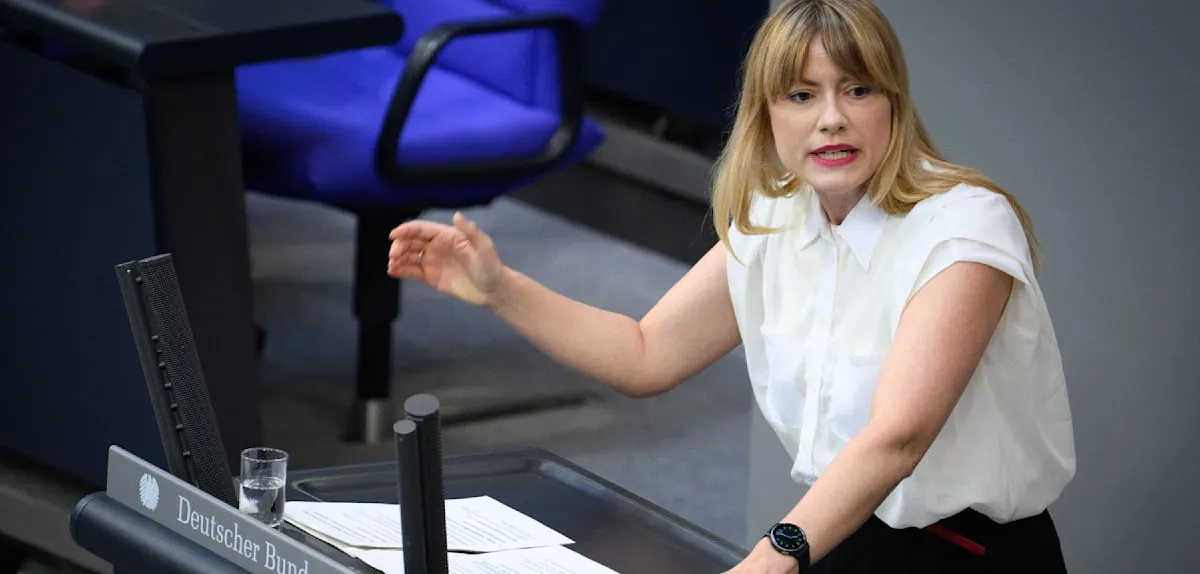
GERMANY – Christian Democratic Union (CDU) top candidate, Sven Schulze, has openly expressed his strong frustration with directives emanating from the federal party headquarters. This tension emerges as Schulze vigorously campaigns for a significant position, consciously choosing to maintain a strategic distance from central party policies and its 'admonitions'. Peter Muller, Editor-in-Chief of Augsburger Allgemeine Zeitung, highlighted Schulzes palpable annoyance.
Muller stated, These admonitions, such as the need to maintain the Brandmauer, really annoy the Minister President and campaigner. This statement refers to the federal partys insistence on upholding the 'firewall' – a strict boundary against extremist parties – a crucial principle in the German political landscape.
Schulzes frustration stems from his perception that rigid directives from the center can hinder campaign flexibility and adaptation on the ground. He is known for an open approach, focusing on local issues relevant to his constituents, rather than being constrained by national party dogma.
As both a Minister President and an active political campaigner, Schulze faces a dual dilemma. He must meet the expectations of his local constituents while maintaining loyalty to the party line. However, this tension indicates that such a balance is becoming increasingly difficult to achieve.
German politics has a long history of emphasizing the Brandmauer principle. This concept became crucial post-World War II to prevent alliances with extremist or populist ideologies that could undermine liberal democracy. Therefore, any perceived weakening or breach of this 'firewall' consistently draws sharp scrutiny.
However, for politicians on the front lines like Schulze, applying such dogma can sometimes feel impractical. They argue that real needs on the ground, direct interaction with voters, and the dynamics of regional issues often require a more fluid strategy.
Schulzes stance reflects a broader trend among regional politicians who feel stifled by excessive central intervention. They yearn for greater autonomy in formulating messages and strategies that are most effective in reaching their voters.
The impact of this public declaration could be twofold. On one hand, it might strengthen Schulzes image as an authentic leader who dares to vocalize local interests. On the other, it potentially ignites internal strife within the CDU, especially with the 2026 elections approaching.
Peter Mullers perspective, as an experienced editor, lends significant weight to this narrative. He not only reports but also interprets this tension as a serious matter affecting Schulzes performance as both a leader and a candidate.
How the CDU federal party will respond to open criticism from one of its leading candidates remains a big question. An inappropriate response could deepen divisions, while a wise approach might set a precedent for future internal party reforms.
Editorial Insight: Sven Schulzes case highlights the perennial dilemma between central party control and regional campaign autonomy. In 2026, as the political landscape becomes increasingly fragmented, politicians like Schulze who dare to distance themselves from party orthodoxy might actually find stronger resonance among voters yearning for authentic representation. This tension indicates that major parties must be more adaptive to local and regional political dynamics to remain relevant and effective.