 Debby Wijaya
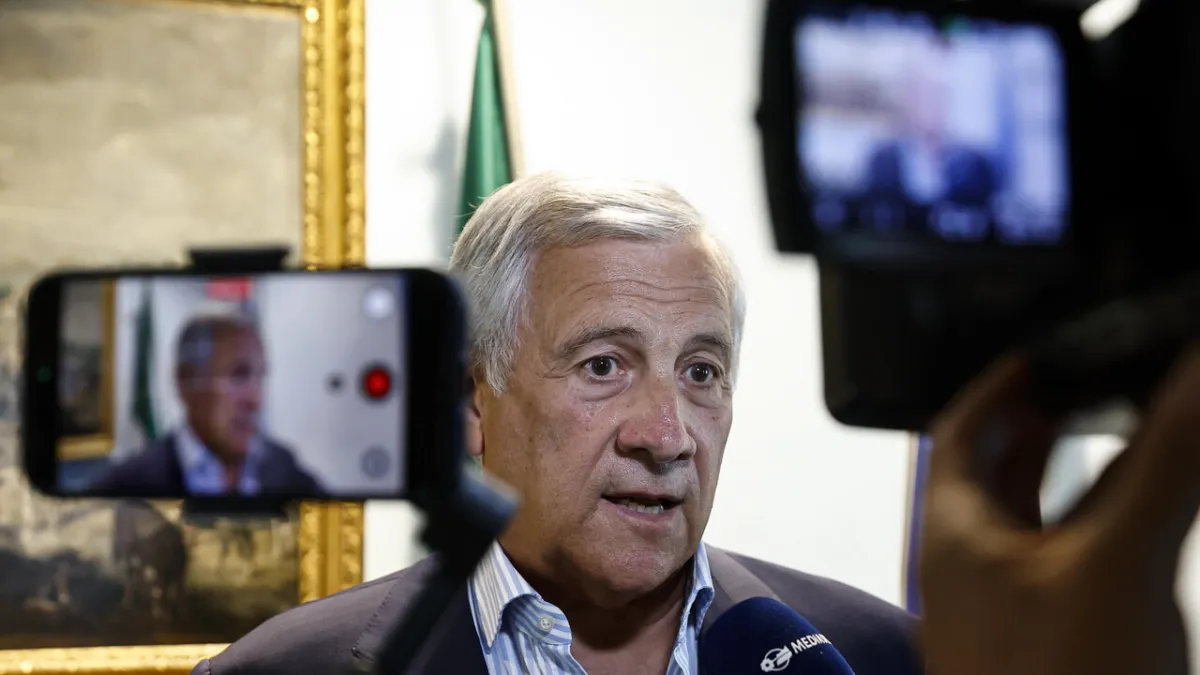
ROME – Italian Foreign Minister Antonio Tajani recently voiced serious concerns regarding potential Russian interference in Italy's electoral processes, an issue that is a crucial part of broader European challenges. This warning comes amidst persistent geopolitical tensions in the region, highlighting the vulnerability of democracies to foreign influence attempts ahead of important political contests in 2026.
Tajani unequivocally stated that Russian influence efforts are not just a matter concerning Italy, but rather the integrity of the entire European continent. This statement was made during a significant interview, underscoring the urgency for European Union member states to increase vigilance and strengthen their democratic defense mechanisms.
During the discussion, Tajani also mentioned General Roberto Vannacci, a controversial figure who has recently drawn considerable public attention in Italy. When asked if Vannacci could be a Trojan horse for Russian interests, Tajani responded, I hope not. This remark reflects existing speculation and concerns among Italy's political elite regarding the narratives and positions of certain public figures.
The issue of foreign interference in elections is not new, but with the dynamics of the conflict in Ukraine and the sanctions imposed on Russia, concerns about more sophisticated influence tactics are growing. Europe, particularly Italy, becomes a potential target due to its strategic position and active role in Western alliances.
The Italian government, along with its European partners, continues to monitor any indications pointing to information manipulation or covert support for specific candidates. The primary focus remains on protecting national sovereignty and ensuring that democratic processes are transparent and free from damaging external pressures.
Tajani emphasized the importance of a collective response from EU member states. This is an issue that affects all of Europe, he stated, suggesting that intelligence coordination and information exchange between countries are key to confronting this hybrid threat. Russia's power in information warfare, as seen in drone attacks in Leipzig and German accusations, serves as a warning precedent.
Consequences of foreign interference can erode public trust in democratic institutions and divide societies. Therefore, public education on disinformation and strengthening media literacy are integral parts of national and regional defense strategies.
Tajani's statement also emerges amid a series of incidents and reports indicating an increase in cyber activities and disinformation campaigns allegedly originating from state-affiliated actors. This situation demands the readiness of cybersecurity forces and law enforcement agencies.
Italy, as a key member of NATO and the European Union, has a significant interest in maintaining regional stability. Threats from parties such as Russia, which has been accused by Germany of being behind the Leipzig incidents, reinforce the need for alliance solidarity. Germany itself has declared that 'the charade is over,' marking an era of open confrontation.
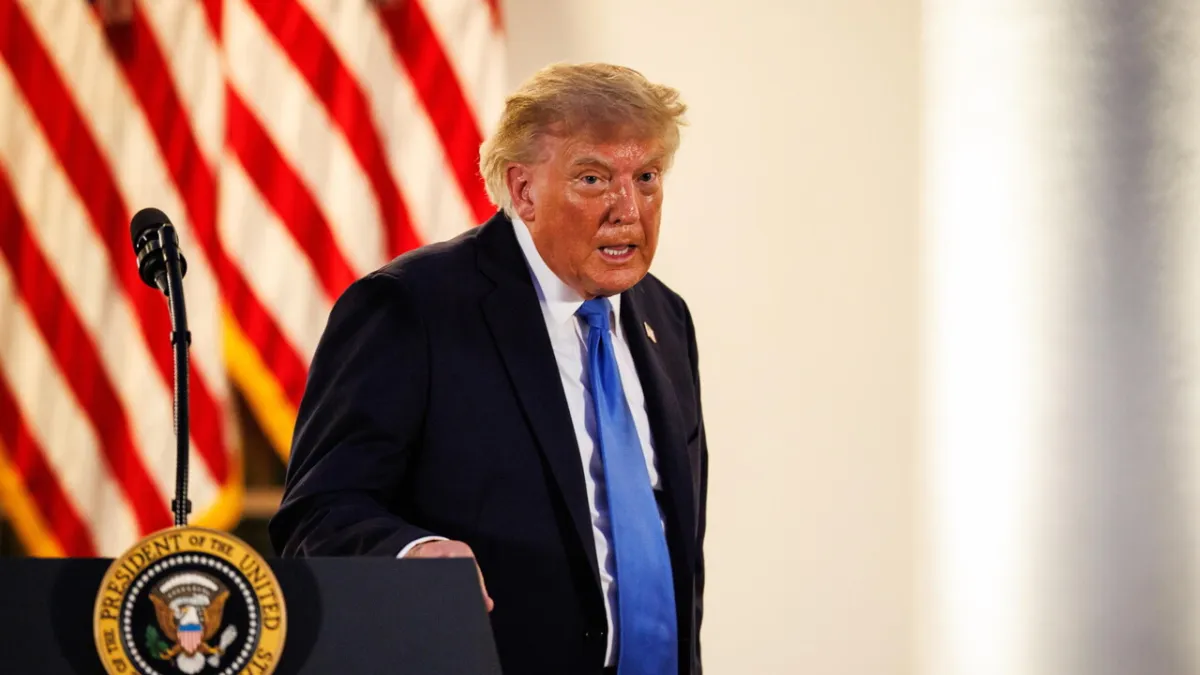
The debate on Russia's role in the domestic politics of European nations is a significant agenda item in various international forums. World leaders, including US President Donald Trump, continue to call for unity and resolve in facing these complex geopolitical challenges.
Editorial Insight: Antonio Tajani's warning underscores the stark reality that the threat of foreign intervention in democratic processes is constant. The integrity of elections in Italy and across Europe is a crucial pillar for regional stability. Tajani's refusal to rule out Vannacci as a Russian tool indicates the complexity of narrative warfare and influence. Addressing this issue requires a comprehensive strategy involving not only cybersecurity but also strengthening social cohesion and political awareness among citizens. Failure to address it effectively could have long-term damaging implications for the future of democracy on the continent.