 Angel Doris
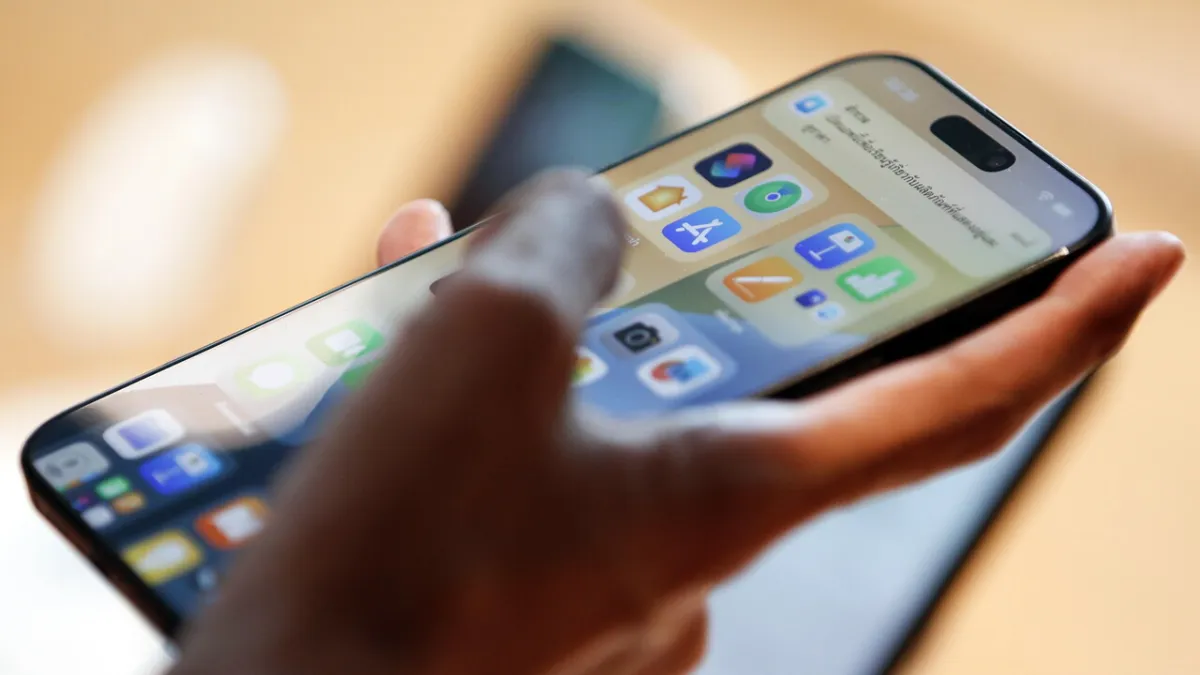
ROME – A recent groundbreaking study by a prominent academic has unveiled that the iPhone keyboard systematically avoids suggesting or displaying a vast number of sensitive phrases within its predictive text feature. This discovery, encompassing over 100,000 locutions or phrases, ignites a broad debate concerning algorithmic censorship practices by tech giants, particularly involving politically charged terms like 'Trump Dictator' and the controversial narrative 'Covid Hoax'.
The researcher, whose name has not yet been officially released, spent months analyzing the database of automatic word suggestions on iOS devices. The findings indicate a clear pattern where the system preferentially omits certain terms that could potentially spark controversy or public debate. This phenomenon was first detected in the early months of 2026, raising concerns among free speech advocates and digital privacy proponents.
One of the most prominent examples of an avoided phrase is 'Trump Dictator'. Given that Donald Trump is now serving his renewed term as President of the United States, the censorship of such phrases on devices used by millions poses serious questions about the objectivity and role of technology companies in shaping public narratives. Is this an effort to mitigate political polarization or a more subtle form of information control?
Another phrase detected as being avoided is 'Covid Hoax'. Although the world has moved past the peak of the pandemic, debates surrounding the origins, handling, and impact of Covid-19 continue. The avoidance of this term by the iPhone algorithm could be interpreted as an attempt to suppress disinformation, but it could also be seen as an intervention in free discussion on complex public health issues.
These findings underscore the hidden power wielded by major technology companies in directing or even limiting online conversations. By controlling what is suggested or not suggested by fundamental communication tools like phone keyboards, they can effectively shape the perceptions and opinions of billions of users worldwide. The ethical implications of such practices demand rigorous oversight.
The study indicates that the list of 100,000 avoided phrases is highly diverse, spanning a wide spectrum from hate speech and sexually explicit terms to other sensitive topics. However, the inclusion of political and pandemic-related phrases distinguishes it from more common and widely agreed-upon content moderation efforts.
Professor Elena Rossi, a cybersecurity expert from the University of Rome, stated, This is no longer merely a predictive algorithm; it is a significant curatorial intervention. The line between responsible content moderation and subtle censorship becomes very thin. The public has a right to know how information is filtered on their devices.
Apple, the company behind the iPhone, has not yet issued an official statement regarding these findings. However, in the past, the company has expressed its commitment to protecting its users from misinformation and harmful speech, while upholding freedom of expression. The question remains, where is the line drawn?
This issue resonates globally, considering similar discussions are occurring in various countries. For instance, the debate surrounding Australia's Internet Security Act, which some initially rejected over fears it could threaten freedom of speech, demonstrates that digital control is a widespread concern. Read more here.
Furthermore, the advancement of artificial intelligence (AI) adds to the complexity. International discussions, such as Japan's call for global collaboration to address AI security threats, indicate that algorithm regulation and ethics are crucial issues requiring serious attention. See related report here.
This case adds to a long list of concerns regarding the power of technology companies in shaping the digital information landscape. Users are increasingly demanding transparency and accountability from platform developers, especially when it comes to issues affecting political discourse and public health.
This phenomenon raises fundamental questions about the future of digital communication. If algorithms can filter and shape the language we use, what are the implications for freedom of thought and the healthy exchange of ideas in a democratic society?
The debate on the role of algorithms in content moderation, AI ethics, and freedom of expression will continue to intensify. These findings serve as an important reminder that technological innovation must be accompanied by strong moral responsibility and high transparency.
Editorial Insight: This discovery is more than just a technical anomaly; it reflects the perennial struggle between freedom of expression and efforts to manage misinformation in the digital sphere. When our personal devices silently filter our words, we face a serious challenge to informational autonomy. Tech companies have a profound responsibility to be transparent about how their algorithms operate, particularly concerning politically and socially sensitive content. Without clear transparency and accountability, the risk of unintentional polarization or even deliberate censorship will escalate, eroding public trust and the integrity of public discourse.