 Chandra Wijayanto
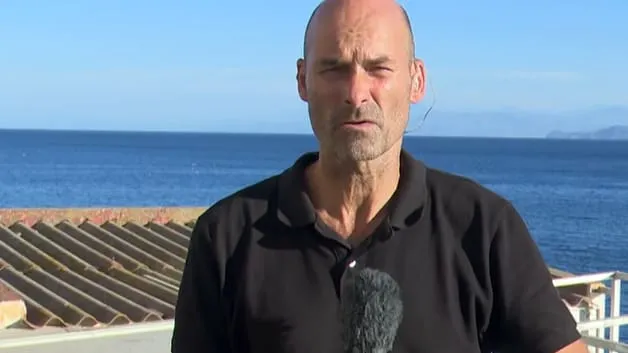
CEUTA — The migrant crisis in the Spanish enclave of Ceuta has flared up again after humanitarian organizations and emergency services openly contradicted the official figures released by the Spanish government regarding the number of refugees. This situation, described as "untenable" by observers, highlights a significant gap between the official narrative and the reality on the ground, particularly concerning thousands of vulnerable individuals, including unaccompanied minors.
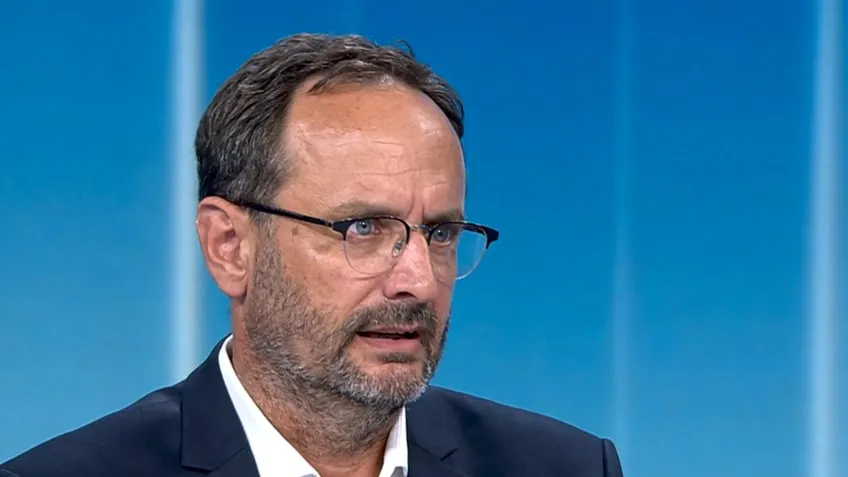
This data discrepancy has triggered profound concerns. Steffen Schwarzkopf, Chief Reporter for the prominent newspaper WELT, revealed significantly different figures. According to his report, between 5,000 and 7,000 people are currently in Ceuta, a sharp contrast to government claims. Many of those arriving are unaccompanied minors, adding to the complexity of the humanitarian challenges facing the territory.
Non-governmental organizations (NGOs) operating on the front lines in Ceuta have repeatedly sounded the alarm. They directly witness the appalling conditions of the migrants and collect independent data that consistently shows numbers far above the official figures released by Madrid. This data includes asylum seekers, migrant workers, and individuals stranded at the maritime border.
Local emergency services also confirm immense pressure on their infrastructure and resources. The increasing number of migrants requiring medical aid, food, and shelter has exceeded the capacity of available facilities. Medical personnel and volunteers work tirelessly, facing increasingly difficult conditions every day.
The Spanish government, through the Ministry of Interior, previously released statistics indicating a decline or stabilization of migrant flows to Ceuta. However, this narrative is now being seriously questioned by field reports and journalistic investigations. The data discrepancy raises speculation about the motivations behind these official figures, whether for domestic political purposes or to manage international public perception.
Schwarzkopf, known for his in-depth investigative reports, emphasized that "the situation on the ground is very different from what the government claims." He highlighted the urgency of addressing the needs of migrants, especially children, who are vulnerable to exploitation and various health and safety risks. The presence of thousands of unaccompanied children raises major questions about the protection of their fundamental rights.
The Ceuta issue is not merely a regional Spanish problem but also underscores the vulnerability of the European Union's borders. As one of Spain's two enclaves in North Africa, Ceuta serves as a primary gateway for many individuals from Sub-Saharan and North Africa seeking a better life in Europe. This migratory pressure has become a point of conflict and intense debate in European immigration policy.
The Spanish government faces a difficult dilemma. On one hand, they strive to maintain border sovereignty and manage migrant flows in accordance with international law. On the other hand, humanitarian pressure and criticism from international organizations are mounting. The complexity of this management also includes security aspects, as previously discussed in the article Ceuta in Danger: Migrants Bring Jihadist and Criminal Threats. Data transparency is key to rebuilding public trust and ensuring an ethical and humane response.
Emergency meetings between representatives of the Ceuta regional government and Madrid at the end of 2025 promised increased resource allocation. However, the implementation of these promises appears insufficient to keep pace with the increasing number of arriving migrants. This delay exacerbates conditions in temporary reception facilities and prolongs uncertainty for thousands of lives.
Many political analysts predict that the migration issue will dominate the Spanish and European Union political agenda throughout 2026. With regional and European Parliament elections approaching, the government's handling of the crisis in Ceuta and Melilla will come under sharp scrutiny. Data transparency is crucial for rebuilding public trust and ensuring an ethical and humane response.
Organizations such as the International Committee of the Red Cross and UNHCR have called for full access for independent monitors to evaluate conditions in Ceuta. They hope that accurate data can form the basis for better decision-making, to prevent a wider humanitarian tragedy at Europe's borders. Without acknowledging the true scale of the crisis, proposed solutions will always remain partial.