 Dodi Irawan
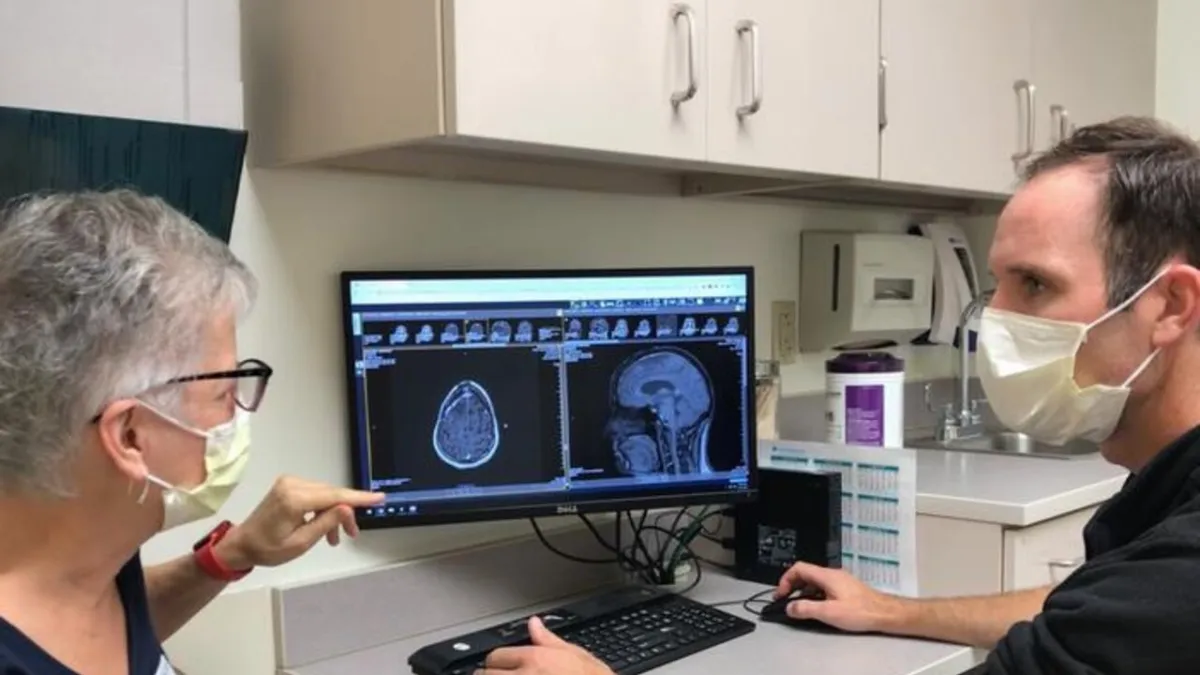
ROME – Italian researchers have once again made history in the medical world. An ambitious project offering a targeted therapy for aggressive glioblastoma has successfully secured prestigious funding from the European Research Council (ERC) for its 2026 Starting Grants. This breakthrough is expected to revolutionize the treatment of one of the world's deadliest brain cancers.
Glioblastoma, often referred to as glioblastoma multiforme (GBM), is the most common and aggressive type of primary brain tumor in adults. Its invasive nature and resistance to conventional therapies such as surgery, radiation, and chemotherapy result in a very poor patient prognosis. The average life expectancy after diagnosis ranges from 12 to 15 months.
The development of new therapies is a global imperative. The project, conceived by a team of scientists in Italy, focuses on a precision approach, specifically targeting cancer cells with minimal damage to surrounding healthy tissue. This represents a new paradigm compared to traditional treatment methods, which often cause severe side effects.
The European Research Council (ERC) is a leading European research funding organization, known for supporting pioneering and innovative ideas in fundamental science. The selection of this glioblastoma project for the 2026 Starting Grants underscores the significant potential and scientific validity of the approach proposed by Italian researchers. These grants are awarded to talented early-career researchers to build their own research teams.
ERC funding is not merely financial support; it is also an international validation of research quality. With these funds, scientists will have the resources to accelerate the experimental phase, conduct more in-depth preclinical trials, and ultimately pave the way for human clinical trials.
We are incredibly proud and grateful for the trust placed in us by the ERC, said Professor Elena Bianchi, one of the project's lead researchers, in an online interview. Glioblastoma is a formidable enemy, but we believe that with a better understanding of its molecular mechanisms, we can find crucial weaknesses. This targeted therapy is a significant step forward.
This targeted therapy approach involves identifying specific biomarkers on glioblastoma cells that differentiate them from healthy cells. By targeting proteins or signaling pathways unique to cancer cells, this therapy aims to halt tumor growth, induce cancer cell death, and reduce the likelihood of recurrence.
This innovation places Italy at the forefront of brain cancer research. While the country has long been recognized for its contributions in various scientific fields, this ERC recognition for such a project reaffirms its outstanding scientific capabilities in tackling the most complex medical challenges.
Researchers hope that in the coming years, the results of this research can be translated into widely applicable clinical protocols. This will offer new hope for thousands of glioblastoma patients worldwide who currently have limited treatment options.
The potential economic and social impact of such a discovery is also substantial. Beyond saving lives, successful therapy can reduce the burden on healthcare systems by lowering hospitalization rates and improving patients' quality of life.
Editorial Insight: The selection of Italy's glioblastoma project by the ERC for 2026 funding is a strong signal of a paradigm shift in brain cancer treatment. This is not merely a new research endeavor, but a representation of hope that precision medicine can overcome a disease previously considered incurable. The success of this initiative will not only solidify Italy's position in global research but also open a new chapter in the fight against glioblastoma, potentially dramatically altering patient prognosis and quality of life in the years to come.