 Angela Stefani
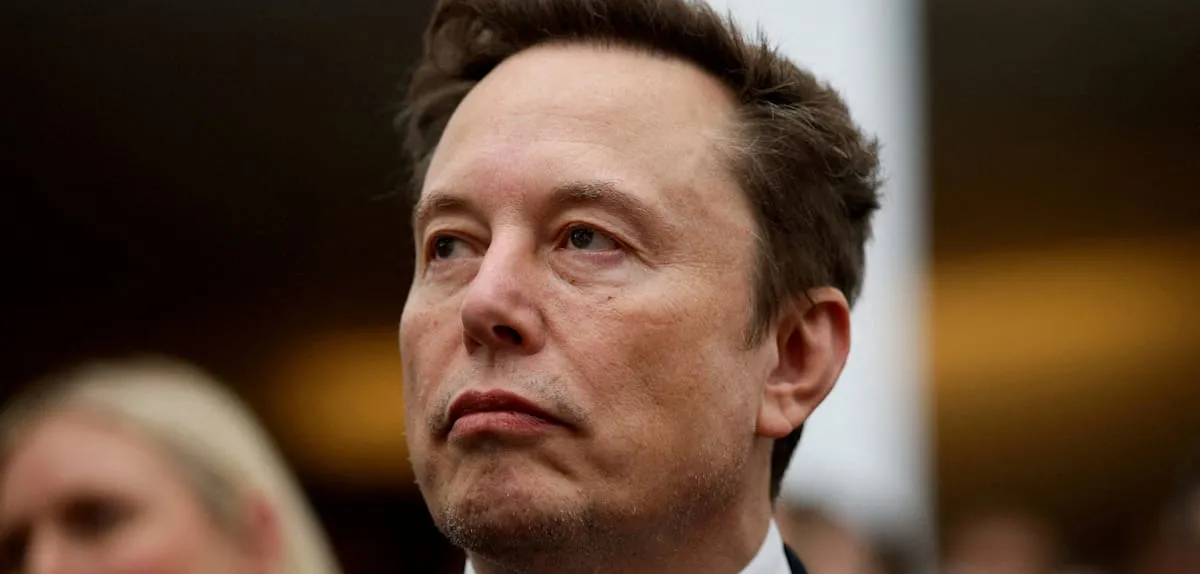
WASHINGTON D.C. – Startling information has emerged, revealing that SpaceX and Tesla CEO Elon Musk personally proposed to United States President Donald Trump restricting the use of Starshield satellite communication services for the Ukrainian military. This accusation contradicts Musk's earlier claims that the U.S. government was behind the vital restrictions that impacted Kyiv's operations in countering Russian aggression.
This incident unfolds within the context of an ongoing geopolitical crisis, where satellite communication plays a crucial role in coordinating troops and intelligence. Starshield, the military version of the Starlink service developed by SpaceX, has become the backbone of Ukraine's communication infrastructure, especially after conventional means were depleted by the conflict.
Multiple internal sources familiar with the discussions, whose identities are being withheld due to the sensitivity of the issue, confirmed to the media that the initiative for these restrictions originated directly from Musk. Meetings or discussions involving this proposal allegedly took place on several occasions since President Trump resumed office.
This report significantly alters the narrative regarding who is responsible for the communication service disruptions experienced by Ukrainian forces. Previously, Musk frequently referred to requests or pressure from the U.S. government as the reason behind Starlink and Starshield's operational decisions in the conflict zone.
This potential decision could have broad geopolitical repercussions, questioning the independence of civilian technology providers in armed conflicts and the influence of individual figures on a superpower's foreign policy. Furthermore, President Trump himself is known for his pragmatic approach to the Ukraine conflict, often implying the need for negotiation rather than unlimited military support.
The Ukrainian government, through its spokesperson, has not yet issued an official comment on this specific report. However, they have repeatedly emphasized the critical importance of unhindered access to advanced communication technology for self-defense against the invasion.
This situation further complicates relations between Washington and Kyiv, where President Volodymyr Zelensky is diligently working to secure crucial military and financial aid. Restricting access to vital technology like Starshield would be a severe blow to Ukraine's defense efforts.
Critics argue that if these allegations are true, Musk's actions could be considered a unilateral intervention that jeopardizes the sovereignty of another nation and prolongs the conflict. They question the ethics of large technology companies wielding the power to influence the course of a war.
Foreign policy observers from various institutions have begun calling for greater transparency regarding private involvement in national security issues. They urge for clear regulatory frameworks to prevent individuals or corporations from making decisions that could potentially reshape the global geopolitical landscape.
Controversies surrounding Starlink/Starshield are not new. Previously, Starlink services were also under scrutiny regarding their availability in certain regions of Ukraine, sparking fierce debates over their control and accessibility.
Regardless of the debate, the fact that Elon Musk, a private individual, can influence such significant decisions highlights a shift in power from state actors to non-state entities in international affairs. This sets a serious precedent for the future of diplomacy and global security.
This case also reopens discussions about the U.S. role as a key ally to Ukraine. If Musk's proposal was approved or supported by the White House, serious questions would arise about Washington's commitment to Kyiv, especially given the potential for other aid reductions from the Trump administration.
Technology and military experts fear that such a precedent could encourage other nations to develop their own satellite communication systems, reducing dependence on a single provider who might have a hidden agenda.
Editorial Insight:
The report alleging Elon Musk proposed Starshield restrictions to President Trump is not merely a technology or business story, but a complex geopolitical issue testing the boundaries of private influence in armed conflict. It underscores the vulnerability of nations heavily reliant on third-party technology. If proven true, this move could foster deep distrust among allies and provoke urgent discussions on regulating vital technology in war zones. Its long-term implications might include increased military autonomy for nations and an ethical debate on the power of individuals to shape the destiny of countries.