 Dorry Archiles
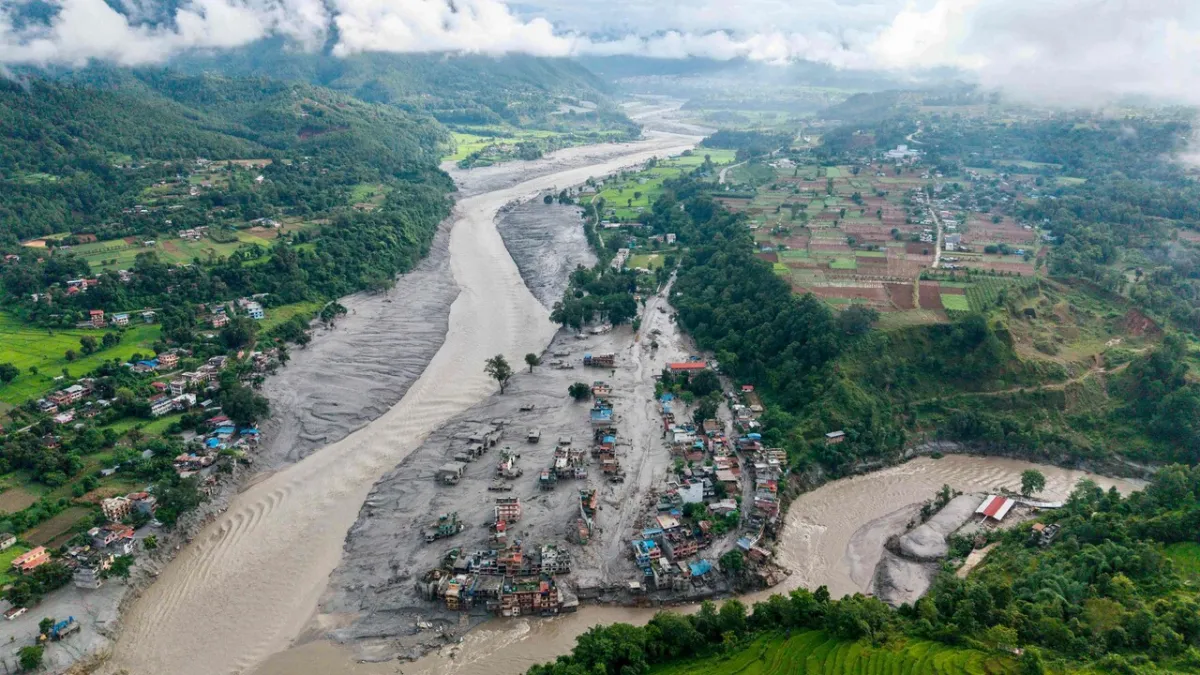
LHASA – Tibetan authorities have officially halted all rescue operations in flood-affected areas in early 2026, following a significant increase in the death toll to 469 people. This drastic decision was made amidst the growing threat of subsequent flood waves, worsening the emergency conditions in the remote Himalayan mountains.
Recent reports from local government stated that the decision to suspend evacuation efforts is a preventive measure for the safety of rescue teams. The threat of new floods, triggered by extreme rainfall and the potential collapse of natural dams or glaciers, is deemed too risky to continue searching for victims in already highly dangerous locations.
This flash flood disaster has crippled vital infrastructure, including roads and bridges, making access to many isolated villages impossible. The scale of destruction is massive, with hundreds of homes destroyed and thousands of residents displaced. This region has previously been in the spotlight due to similar events, as covered in the news Nepal-Tibet Rocked by Devastating Floods in 2026: Threat of a Second Wave Looms.
The 469 casualties make this tragedy one of the deadliest natural disasters in Tibet in recent decades. However, the greatest concern is that the number could continue to rise, given that many areas remain unreachable and the process of identifying bodies is slow.
Rescue operations, which previously mobilized thousands of personnel and volunteers, are now shifting their focus to delivering emergency humanitarian aid to survivors. The top priority is providing food, clean water, temporary shelter, and medical services to those injured and who have lost everything.
Local meteorologists and geologists have issued stern warnings about the potential for more landslides and mudflows, which could occur at any time. The steep topography of the Himalayan mountains exacerbates the risks, trapping communities in narrow valleys.
The international community has begun to express deep concern over the humanitarian situation in Tibet. Several neighboring countries and global aid organizations have expressed readiness to send support, although the logistical challenges of reaching the disaster area are immense.
Several tourists and foreign nationals are also reported missing in the affected areas. This situation echoes similar concerns raised in Nepal, as highlighted in the article Himalayan Floods Terrifying: Two Italian Citizens Missing, Threat of Tibet Water Rising, adding complexity to search and identification efforts.
The Tibetan government faces a monumental task in the post-disaster recovery phase. Reconstructing destroyed infrastructure, relocating residents, and mitigation efforts to prevent similar disasters in the future will require extensive resources and planning for years to come.
Editorial Insight:
The halting of rescue operations amidst a rising death toll represents an unavoidable ethical and practical dilemma in extreme disaster management. This decision reflects a shifting priority from victim search to protecting rescue teams and providing aid to the living. Global climate challenges and the fragility of the Himalayan ecosystem in 2026 underscore the urgency for more robust disaster adaptation policies. The Tibetan government will be tested not only in its emergency response but also in rebuilding community resilience in one of the world's most vulnerable regions.