 Dodi Irawan
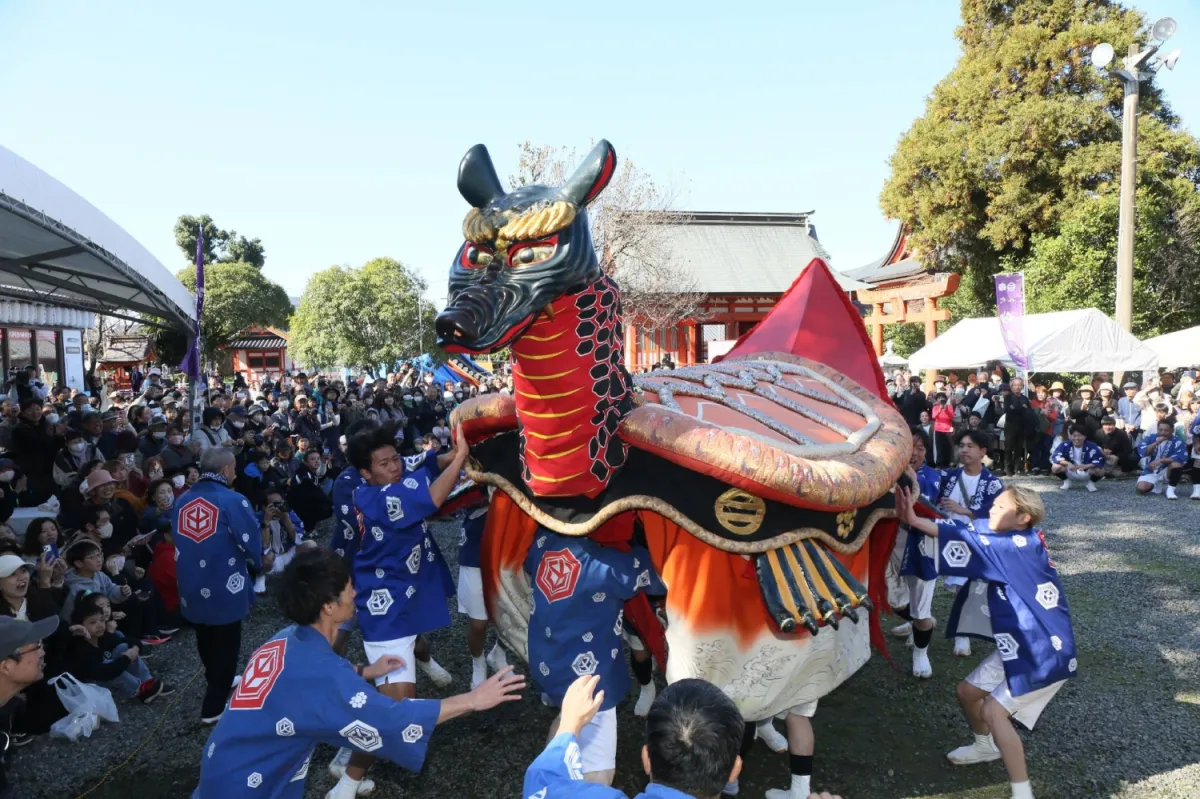
KUMAMOTO – The devastating earthquake that struck Japan's Kumamoto region left deep sorrow. However, a strong spirit of resurgence emerged as traditional dances captivated residents at Yatsushiro Shrine. This performance, substituting the usual parade, successfully ignited euphoria and hope amidst post-quake recovery efforts, reaffirming culture's power to heal wounds in 2026.
Visitors crowded the area around Yatsushiro Shrine, eagerly watching the dazzling display of huge dolls and lion dolls dancing gracefully. The dynamic movements and distinctive accompanying music created a festive atmosphere, temporarily diverting attention from the lingering trauma. This event was not merely entertainment but a collective affirmation of the Kumamoto community's resilience.
Kumamoto, a prefecture renowned for its natural beauty and rich culture, has faced severe challenges due to a series of earthquakes recently. Infrastructure damage and psychological impacts on residents have been major concerns for the local government. Incidents concerning earthquake data handling in other regions also sparked national discussions on disaster preparedness.
The staging of these traditional dances played a vital role. Instead of succumbing to grief, the community chose to celebrate its ancestral heritage, transforming negative energy into positive strength. This is a tangible demonstration that life must go on, even in the face of the most bitter tragedies.
Active participation from all segments of society was evident. Children and the elderly alike flocked together, sharing smiles and laughter rarely seen since the disaster. These moments of togetherness strengthened social bonds and fostered a sense of belonging, essential for both physical and mental reconstruction.
The dances performed have deep historical roots, often believed to bring blessings and ward off evil spirits. In the post-quake context, this meaning became even more relevant, offering hope for protection and prosperity in the future. Lion dolls, for instance, are often associated with strength and courage in Japanese mythology.
The local government, through its spokesperson, expressed deep appreciation for this community initiative. We witness an extraordinary spirit. This is not just about dance, but about how we rise together, restoring the soul of our city, he stated.
The positive impact of this event was not limited to psychological aspects. The influx of visitors also stimulated the local economy, which had been sluggish. Small vendors around the shrine reported increased sales, providing a breath of fresh air for the economy. Japan's economy in general showed signs of recovery in 2026, and events like this contribute to that momentum.
This event sets a positive precedent for other cities facing similar challenges. It demonstrates that revitalization through art and culture can be a key pillar in rebuilding community spirit. New hope blossoms, carrying the promise of a brighter future for Kumamoto.
The enthusiasm shown by Kumamoto residents underscores humanity's inherent strength to find beauty and happiness even amidst adversity. Traditional dances, having existed for centuries, once again prove their relevance as bearers of hope in the modern era.
Editorial Insight: This event in Kumamoto is more than just an art performance; it is a case study in social resilience and culture's role in post-disaster recovery. While physical infrastructure can be rapidly rebuilt, psychological healing requires time and a more holistic approach. The community's initiative to use traditional dance as catharsis demonstrates local wisdom in managing collective trauma. Governments should view this as a model for recovery programs that integrate cultural and social aspects.