 Robert Andrison
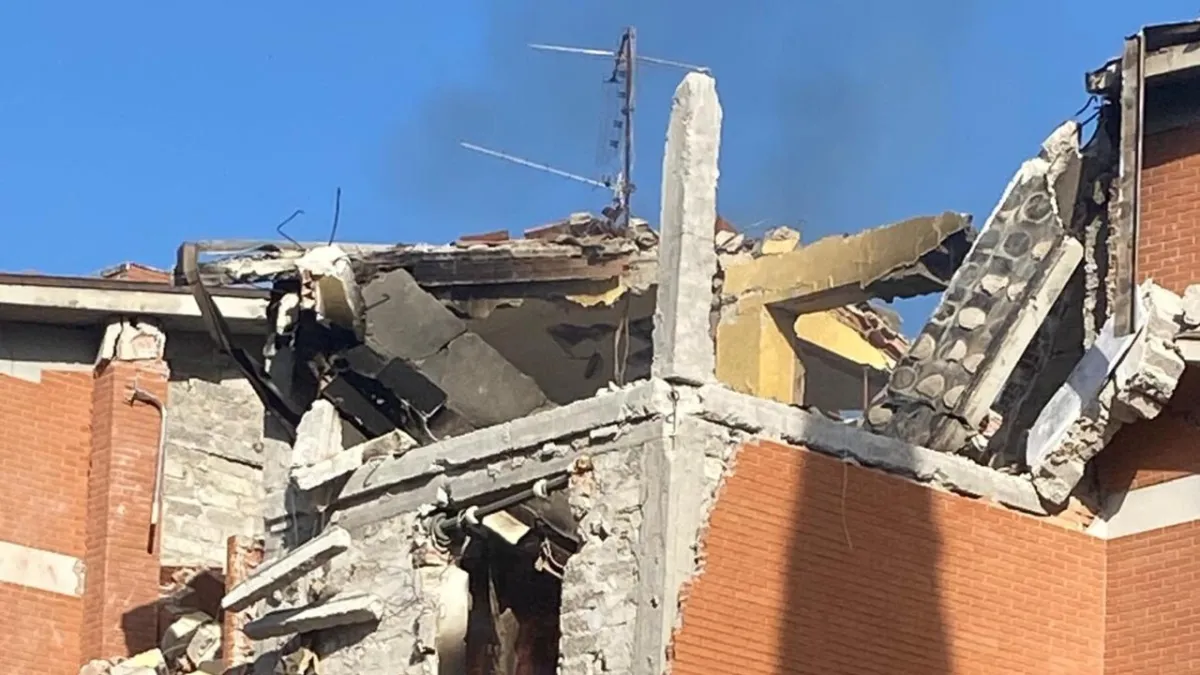
CASSINO – A devastating explosion rocked a residential building in Cassino, Italy, in 2026, resulting in the death of a nurse who had been battling severe burns. This tragic incident has plunged the community into grief and urged authorities to conduct a thorough investigation into the cause of the blast.
The victim, a nurse identified as Pietro Rossi, was confirmed deceased by the local hospital after days in critical condition. Pietro had sustained extremely severe burns, covering over 90 percent of his body, from the force of the explosion and the ensuing fire.
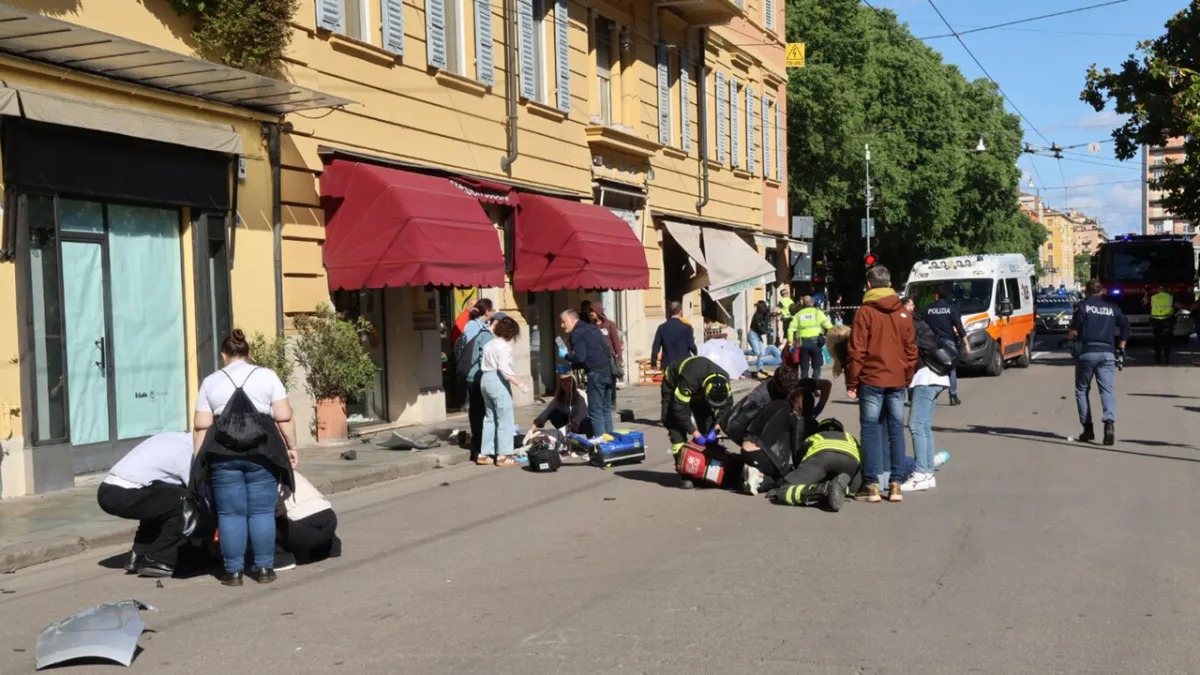
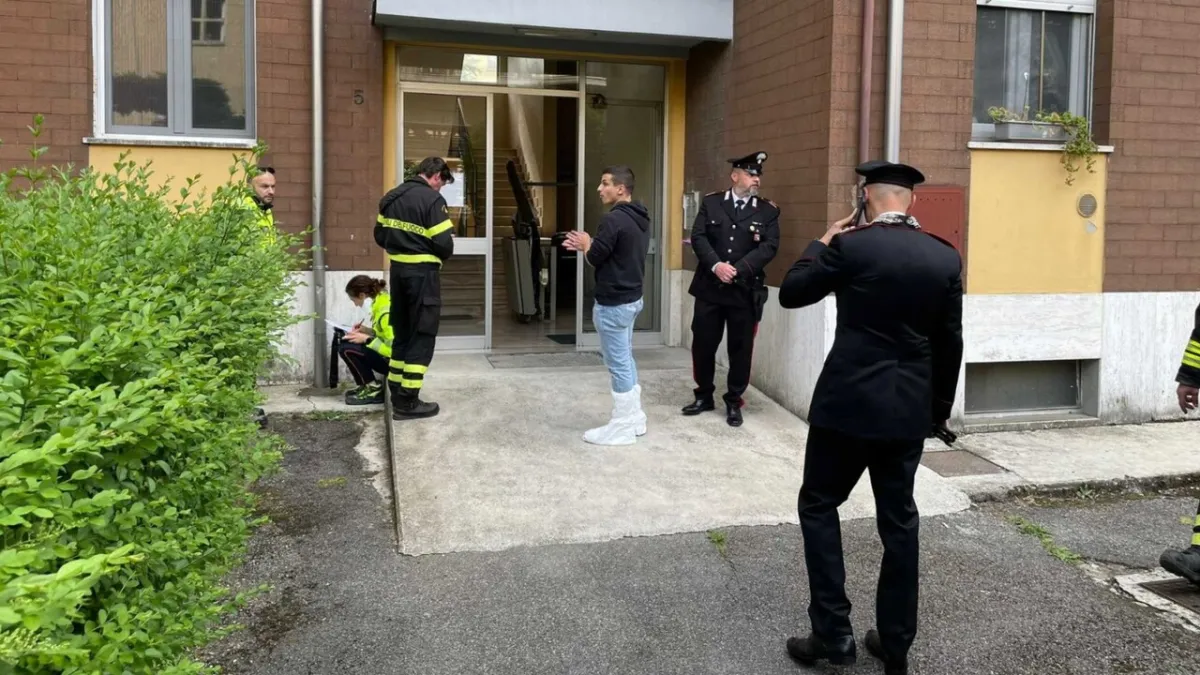
The blast occurred in the early hours, when most of the building's residents were asleep. A loud bang shattered the night's silence, waking nearby residents and causing widespread panic. Rescue teams, including firefighters and paramedics, swiftly arrived at the scene to evacuate victims and extinguish the blaze.
Pietro Rossi had become a symbol of resilience and tragedy. As a nurse, his dedication to humanity was widely recognized. Ironically, he fell victim to an incident requiring intensive medical attention, a condition he typically provided to others.
Initial investigations by local authorities point to a potential gas leak as the trigger for the explosion. However, the police have not yet released an official statement on the exact cause, emphasizing that the investigation is ongoing to gather all relevant evidence.
The city government of Cassino expressed its deepest condolences to the victim's family. The mayor instructed that all resources be deployed to assist Pietro's family and ensure the investigation process is transparent and accountable. Damage to the building's structure is also being assessed by expert teams.
This incident highlights the urgent need to review building safety standards and gas infrastructure in urban areas of Italy. Many old buildings in Cassino, as in other European cities, may require stricter safety audits to prevent similar tragedies from recurring.
Several eyewitnesses described the terrifying moments after the explosion. Panicked residents rushed out of their homes, while thick smoke and a pungent gas smell filled the air. Neighbors attempted to help evacuate other residents before emergency teams arrived, demonstrating community solidarity in the face of disaster.
Pietro Rossi's death is not just a statistic. It is the loss of a dedicated medical professional and a beloved community member. This incident serves as a harsh reminder of the fragility of life and the importance of stringent safety prevention measures.
The hospital where Pietro worked held a modest memorial service, commemorating his years of contribution. Colleagues and friends expressed profound sadness at his sudden passing, highlighting his unwavering spirit in serving patients.
Post-explosion recovery in Cassino is expected to take time. In addition to the investigation, rehabilitation efforts and psychological support for affected residents are also priorities. The government has pledged full assistance to those who lost their homes or experienced trauma.
This tragedy also raises questions about the effectiveness of early warning systems for gas leaks. Were there any early indicators that were missed? These questions are central to efforts to identify potential weaknesses in existing systems.
Public safety must be the top priority. The incident in Cassino should serve as a valuable lesson for the entire region, that regular inspections and infrastructure upgrades are crucial investments to protect citizens' lives.
The public in Italy continues to follow developments in this case, hoping that justice will be served and concrete steps will be taken to prevent the recurrence of such tragic life-claiming incidents.
Editorial Insight:
The death of a nurse in Cassino due to a building explosion underscores the vulnerability of infrastructure in many older European cities. The investigation's focus on a gas leak indicates the need for comprehensive audits of aging utility systems. This incident should serve as a catalyst for local governments to tighten building safety regulations and ensure preventative maintenance is carried out regularly. Without proactive measures, similar tragedies may continue to occur, claiming lives that could otherwise be avoided.