 Demian Sahputra
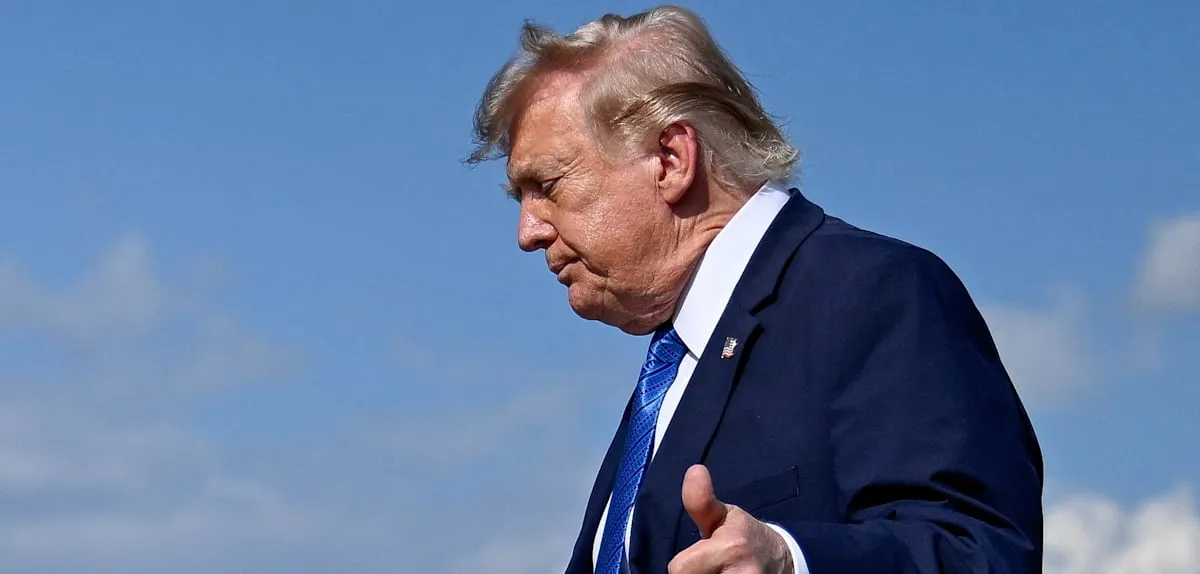
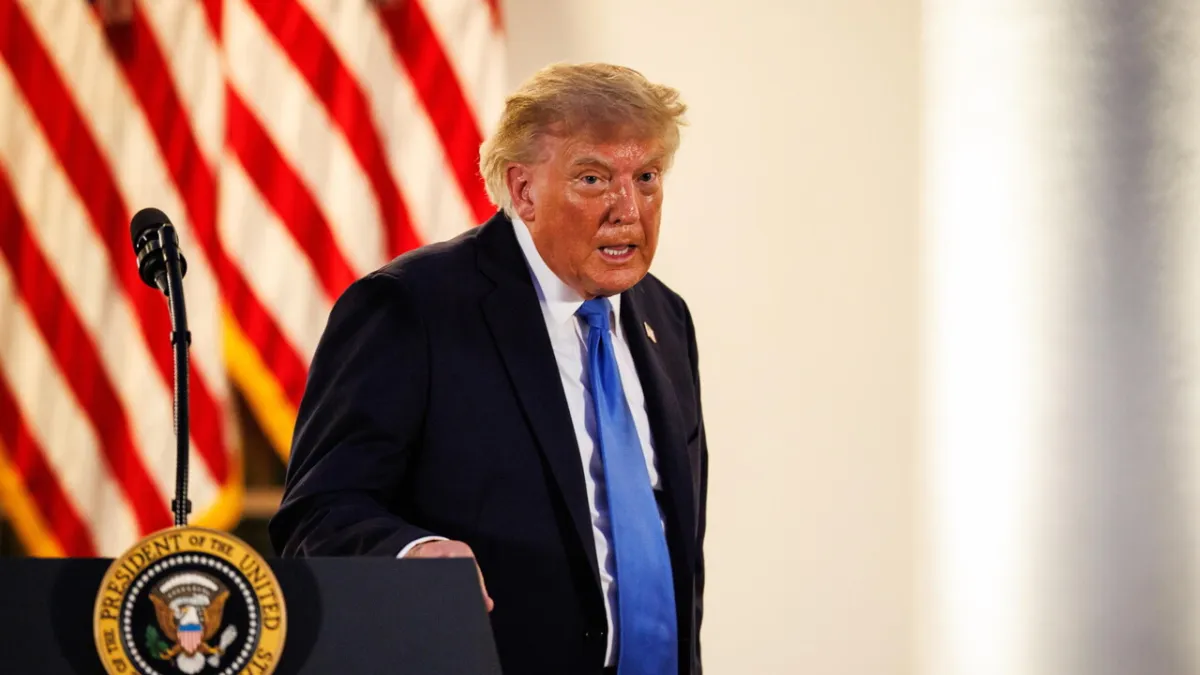
WASHINGTON — United States President Donald Trump surprisingly announced the suspension of potential military attacks against Iran, a move he described as a response to positive signals from Tehran and other Middle Eastern nations. This decision comes after requests from involved parties for the US to refrain from offensive actions, following strong indications that a comprehensive negotiated solution is emerging.
According to an official statement issued by the White House in early 2026, the groundwork for an agreement is being laid, opening up opportunities for a diplomatic resolution to the long-standing tensions. Central to this potential agreement is the full and unrestricted opening of the Strait of Hormuz, a vital shipping lane that serves as the lifeblood of the global energy economy.
Trump's statement emphasized that the request to defer aggression came directly from Iran, supported by several countries in the Middle East region seeking stability. This indicates a significant shift in regional dynamics, from confrontation toward constructive dialogue.
In recent years, US-Iran relations have often been marked by tension, including incidents that threatened maritime security and energy infrastructure. The fragility of the situation in the Persian Gulf has repeatedly fueled concerns of a broader conflict escalation.
The Strait of Hormuz, as the sole sea passage from the Persian Gulf to the open ocean, plays a crucial role in world oil trade. Approximately one-third of all globally traded crude oil and liquefied natural gas products pass through it daily. Uncertainty in this channel always impacts energy markets and the global economy.
The announcement of the attack suspension was met with relief in various world capitals. Many leaders hope this initiative can be a catalyst for serious negotiations and sustainable peace in the vulnerable region.
Geopolitical analysts view Trump's move as a bold negotiating tactic, combining maximum pressure with an open door for dialogue. However, they also caution that the path to a final agreement will be fraught with obstacles, given the complexity of the issues at hand.
\"This is a critical moment that demands extreme diplomatic prudence,\" said Dr. Elara Vance, an international relations expert from Georgetown University. \"Ensuring a permanent and secure opening of the Strait of Hormuz will be the main benchmark of success for these negotiations.\"
Several diplomatic sources hinted that Oman and Qatar might play key roles as mediators, facilitating secret communications between Washington and Tehran. The role of these neutral countries is crucial in building bridges of trust.
Achieving consensus on the Strait of Hormuz is not only a diplomatic victory but also a guarantee for the smooth supply of global energy. A solid agreement could ease market concerns and encourage investment in the region.
However, the greatest challenge lies in the implementation and verification of the agreement. Both parties must demonstrate strong commitment to adhere to every agreed point, including transparent international oversight mechanisms.
President Trump's audacious move marks a potential turning point in the history of US-Iran relations, shifting from the brink of conflict towards the hope of reconciliation. The world awaits with bated breath whether this foundational agreement will truly become the basis for lasting peace or merely a temporary pause in endless tension.