 Demian Sahputra
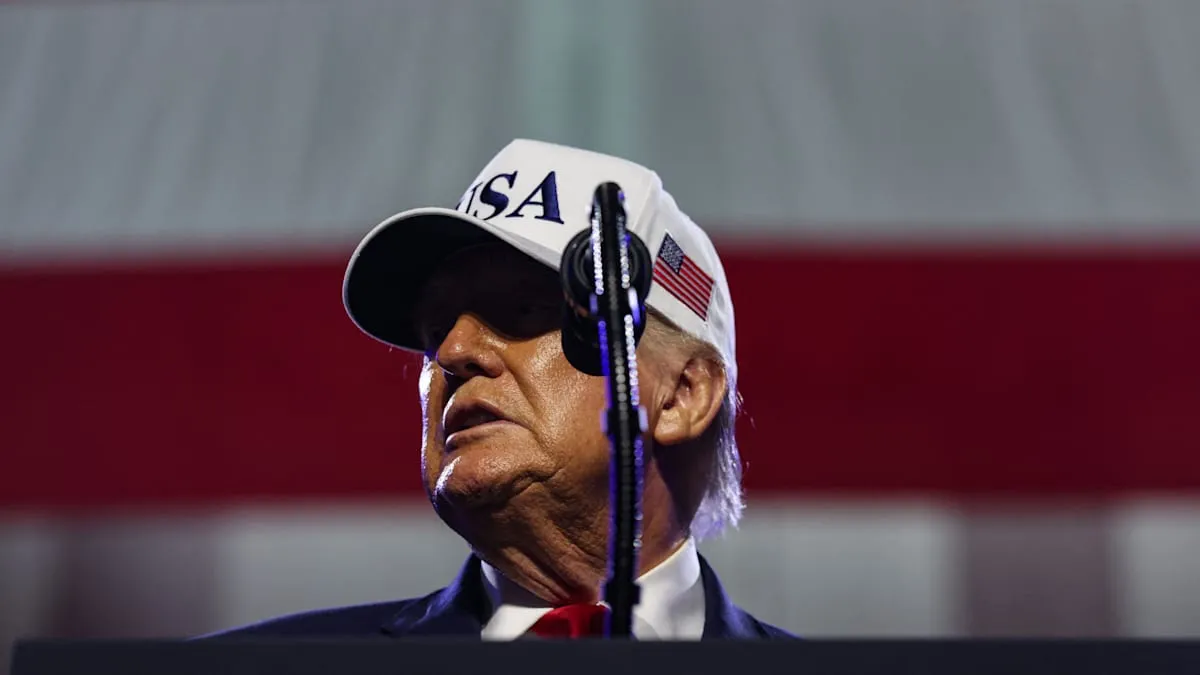
ABU DHABI – US President Donald Trump is reported to have a strong desire to achieve a resolution to the conflict between Ukraine and Russia. This impetus comes ahead of a series of crucial meetings between representatives from Russia, Ukraine, and the United States in Abu Dhabi in 2026. Security analysts anticipate that this move is driven not only by geopolitical interests but also by the potential for personal economic gain for Trump through his relationship with President Vladimir Putin.
Nico Lange, a prominent security expert, has tempered high expectations regarding the outcomes of these meetings. According to Lange, achieving even a partial ceasefire or a prisoner exchange would constitute significant progress. This perspective reflects the complexity and depth of the conflict, which has raged for years, making any step towards de-escalation a commendable diplomatic achievement.
The discussions scheduled in Abu Dhabi are a focal point of international attention, given the involvement of three key actors: Moscow, Kyiv, and Washington. The direct involvement of the United States, especially under President Trump's leadership, adds a new dimension to mediation efforts that have frequently reached impasses.
Speculation regarding Trump's personal economic motives in this peace initiative is not new. Various previous reports and analyses have suggested the possibility that President Trump sees significant business and investment potential if relations with Russia improve. This factor overshadows the formal diplomatic agenda.
These negotiations also occur amid a stagnation on the Ukrainian front in 2026, where intense offensives have failed to significantly push back Russian forces. The relatively static battlefield conditions may be prompting all parties to seek political solutions, however limited.
The claim that President Trump harbors a 'yearning' to find a solution, and 'finally make money with Putin,' highlights the dualism in US foreign policy under his administration. A fundamental question arises: is the primary motivation global stability, or is there a more personal and pragmatic agenda at play?
Security experts like Lange emphasize the importance of not being overly optimistic. The conflict, which has claimed many lives and resources, has deep-seated root causes. Therefore, a comprehensive and lasting solution requires more than just quick diplomatic agreements.
Potential partial ceasefires and prisoner exchanges, though seemingly small, could pave the way for broader dialogue in the future. These are concrete steps that can reduce human suffering and build a modicum of trust between the warring parties.
Essentially, these diplomatic efforts are a manifestation of an urgent need to de-escalate global tensions. The presence of the United States as a mediator, with President Trump at the helm, will always be under sharp scrutiny, especially when economic motives are intertwined with the narrative of peace.
The public and the international community will continue to monitor closely how these dynamics in Abu Dhabi unfold, and whether a president's personal ambitions can genuinely act as a catalyst for lasting peace.
A related article, Despite Continued Bombardment, Trump-Russia Explore Big Deal!, provides additional context on similar past efforts and the challenges faced in reaching agreements between the two superpowers.
Editorial Insight: President Trump's efforts to facilitate a resolution to the Ukraine-Russia conflict are commendable from a diplomatic standpoint. However, the emergence of speculation regarding personal economic motives linked to President Putin could complicate the US's credibility as a neutral mediator. The balance between national interests and potential personal gain will be crucial in determining the success or failure of these negotiations, as well as global perceptions of American leadership. The biggest challenge lies in convincing all parties that the proposed solution is for genuine peace, not merely a political business transaction.