 Angela Stefani
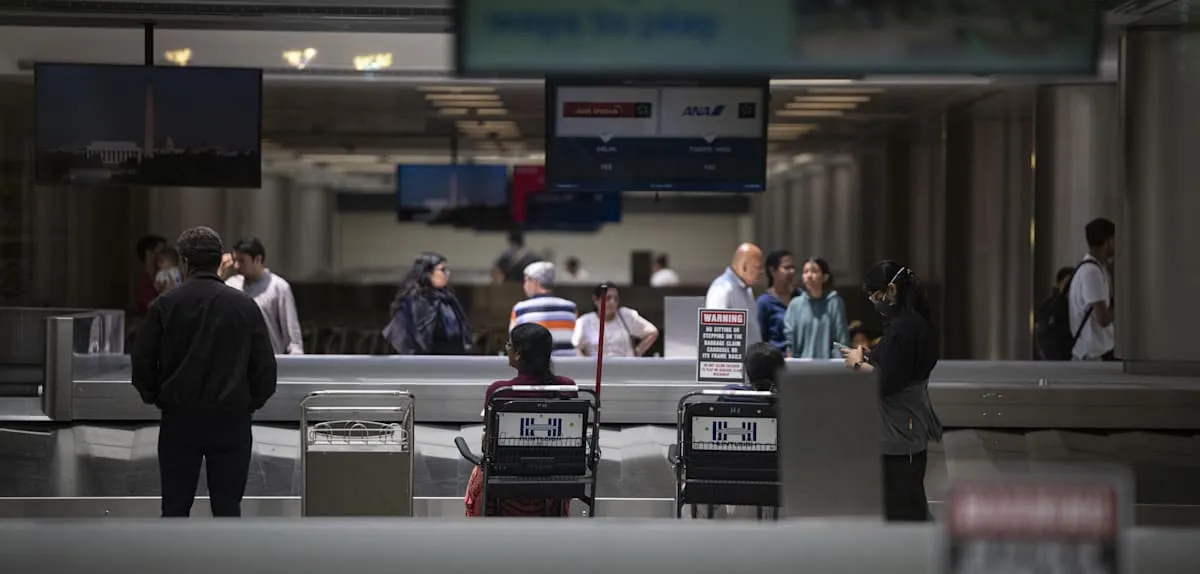
WASHINGTON, D.C. — The United States capital's main airport, deemed “inefficient” by the White House, is poised for a monumental transformation spearheaded by former President Donald Trump. This large-scale renovation project, set to commence in spring 2027, includes the construction of a new, futuristic main building and the replacement of its shuttle bus system with an advanced rail network, promising an efficient and sci-fi-esque travel experience for millions of passengers.
This transformation is not merely a cosmetic upgrade but a fundamental restructuring aimed at solidifying Washington International Airport's position as a modern, globally competitive gateway for the superpower. The “Star Wars-like film” imagery associated with this project indicates an ambition to create infrastructure that is not only functional but also visually iconic.
Donald Trump's office, which actively advocates for his legacy projects, emphasizes the importance of modernizing this vital facility. They highlight that Washington International Airport has long required significant upgrades to address passenger congestion and the operational demands of the 21st century.
A key element of this project is the construction of an entirely new main terminal building. This building is designed to accommodate state-of-the-art passenger facilities, including spacious check-in areas, efficient departure gates, and comfortable lounges equipped with advanced technology. The chosen architecture is expected to reflect technological progress and modern design aesthetics.
Another revolutionary aspect is the abolition of the shuttle bus system that has historically transported passengers between terminals and parking areas or gates. This bus system, often criticized for its inefficiency and time consumption, will be entirely replaced by an integrated rail network.
This replacement is expected to drastically reduce travel times and improve connectivity throughout the airport complex. The rail system will provide a smoother and faster experience for passengers, while also reducing the airport's overall operational carbon footprint.
Preparations for the commencement of construction are in their final stages, with massive construction work estimated to begin in spring 2027. This timeline allows sufficient time for detailed planning, material procurement, and coordination among various contractors and authorities.
Since his presidency, Donald Trump has been known for his grand vision for United States infrastructure. This airport project stands as a testament to his commitment to rebuilding and modernizing crucial public facilities that he deemed lagging compared to other nations.
This modernization of Washington International Airport is also expected to provide a significant economic boost. Thousands of jobs will be created during the construction phase, and once completed, a more efficient airport will be able to attract more flights and tourists, benefiting the tourism industry and local businesses.
Aviation experts and urban planners welcome this initiative, though they acknowledge the significant challenges in managing such a large infrastructure project at one of the world's busiest airports. They emphasize the importance of transparency and accountability throughout the entire development process.
This transformation is not just about concrete and steel; it's about reshaping the global perception of United States infrastructure capacity. With a design inspired by science fiction, Washington International Airport aims to become a symbol of progress and innovation.
Amidst the ongoing political and economic debates in the United States in 2026, this project serves as a reminder of the importance of long-term investment in infrastructure. A modern and efficient airport is a reflection of a nation's economic vitality.
The entire process, from design to implementation, will be closely monitored to ensure the highest standards of quality and safety are met. This project will serve as an example of how infrastructure can be a cornerstone of national development and global connectivity.
With such immense ambition, the public and the aviation industry will eagerly await the realization of this “Star Wars-like film” promise. If successful, Washington International Airport will stand as tangible proof of the United States' ability to innovate and build a better future for air travel.
The combination of technological advancement, operational efficiency, and captivating design aesthetics is expected to establish this airport as one of the world's leading air transport hubs. This marks a bold step forward for American aviation infrastructure.