 Chandra Wijayanto
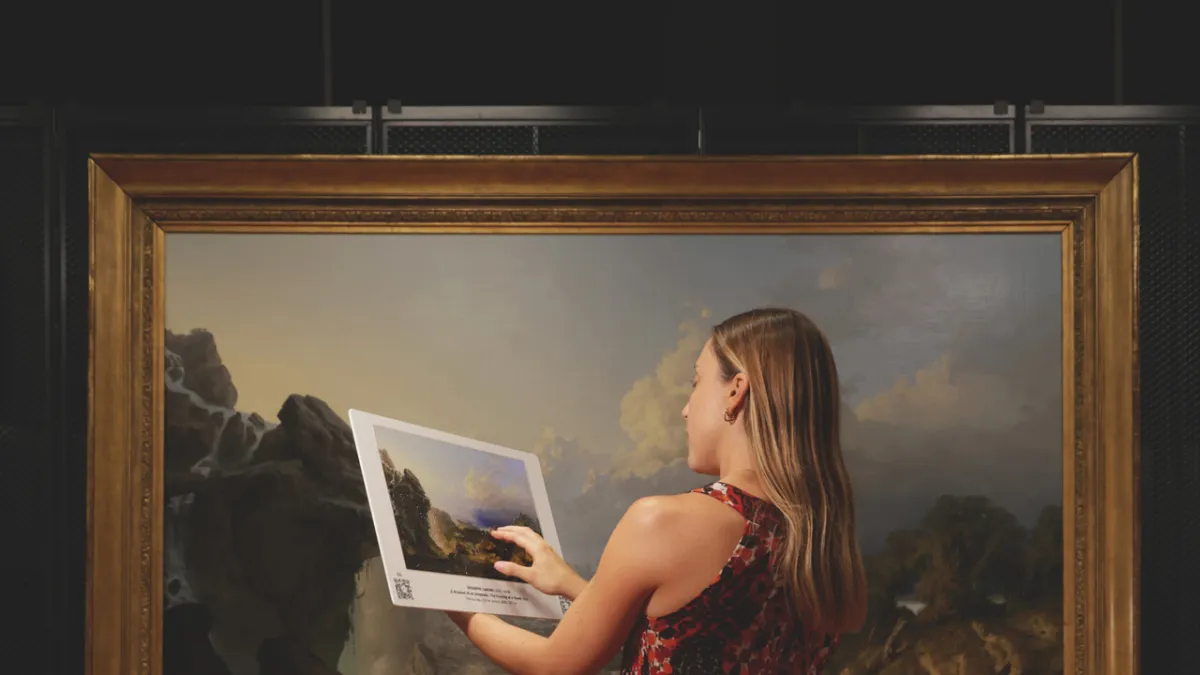
TURIN – The innovative 'Autonomy for Art' project at the Civic Gallery of Modern and Contemporary Art (Gam di Torino) has launched its latest phase in 2026, opening the doors of cultural accessibility to all segments of society. This transformative initiative, fully supported by Stellantis Autonomy, seeks to redefine how the public interacts with artworks, making it an inclusive and equitable experience.
Launched with an ambitious vision, 'Autonomy for Art' goes beyond merely providing ramps or Braille information. The program encompasses a broad spectrum of adaptations, from tours specifically designed for visitors with diverse cognitive needs, to interactive educational materials that remove barriers to understanding.
The main objective of this project is to eliminate all forms of discrimination in enjoying the beauty of art. With a holistic approach, Gam di Torino, through financial and logistical support from Stellantis Autonomy, is committed to creating a museum environment that is welcoming to every individual, regardless of physical or mental background.
The involvement of Stellantis Autonomy as a supporting pillar underscores the corporate sector's commitment to social responsibility and cultural enrichment. This support is not just a sponsorship; rather, it is a strategic partnership that enables the implementation of technologically advanced and sustainable accessibility solutions.
This initiative marks a significant evolution in the cultural landscape of Turin, a city rich in artistic heritage. 'Autonomy for Art' positions Gam di Torino as a beacon of innovation, not only exhibiting art but also promoting the universal values of inclusion and equality.
The Gam di Torino curatorial team affirms that art is truly a universal language, and through this program, they are determined to ensure everyone has the right to experience the aesthetic inspiration art offers without limitations. This dedication reflects a deep understanding of art's role in stimulating the mind and soul.
The implementation of this program involves a series of physical and digital adaptations. Museum guides have been specially trained to communicate with visitors with disabilities, while audio-visual guides and interactive digital applications are available to enrich the experience of visitors from various backgrounds.
The presence of technology is crucial in this endeavor. Intuitive museum navigation systems, collection information in easily digestible formats, and virtual reality experiences for accessing certain spaces are integral parts of the 'Autonomy for Art' strategy.
This project also resonates with global trends emphasizing the role of art and culture in promoting social cohesion. Similar to the spirit of optimism that colored Filmfest Hamburg 2026, which sought to combat global pessimism, 'Autonomy for Art' in Turin presents a positive narrative about art's potential as a unifier.
The long-term impact is expected to extend beyond the gallery's confines. By instilling awareness of the importance of accessibility, this project has the potential to inspire other cultural institutions, both in Italy and abroad, to adopt similar practices. This step is vital in building a society that is more sensitive to the diverse needs of individuals.
Society is expected to participate actively, not only as visitors but also as agents of change. Regular surveys and discussion forums will be held to ensure the program remains relevant and responsive to the needs of the served community, encouraging continuous iteration and improvement.
Stellantis Autonomy's commitment to the sustainability of this project is also commendable. The long-term partnership indicates that cultural accessibility efforts are not just temporary campaigns but a serious investment in inclusive community development, creating a lasting legacy.
'Autonomy for Art' is not merely an exhibition; it is a statement that art is a universal right. Turin is now leading the way in an art accessibility revolution that has the potential to change the paradigm of cultural experience globally in 2026 and beyond, making art accessible to all.
Editorial Insight: The 'Autonomy for Art' project is a brilliant example of how collaboration between the private sector and cultural institutions can yield significant social impact. Amidst the hustle and bustle of modernization, ensuring equitable access to culture is crucial for maintaining social cohesion and mental well-being. Initiatives like this not only enrich individual experiences but also elevate the image of the city and country as vanguards of inclusive innovation.