 Angela Stefani
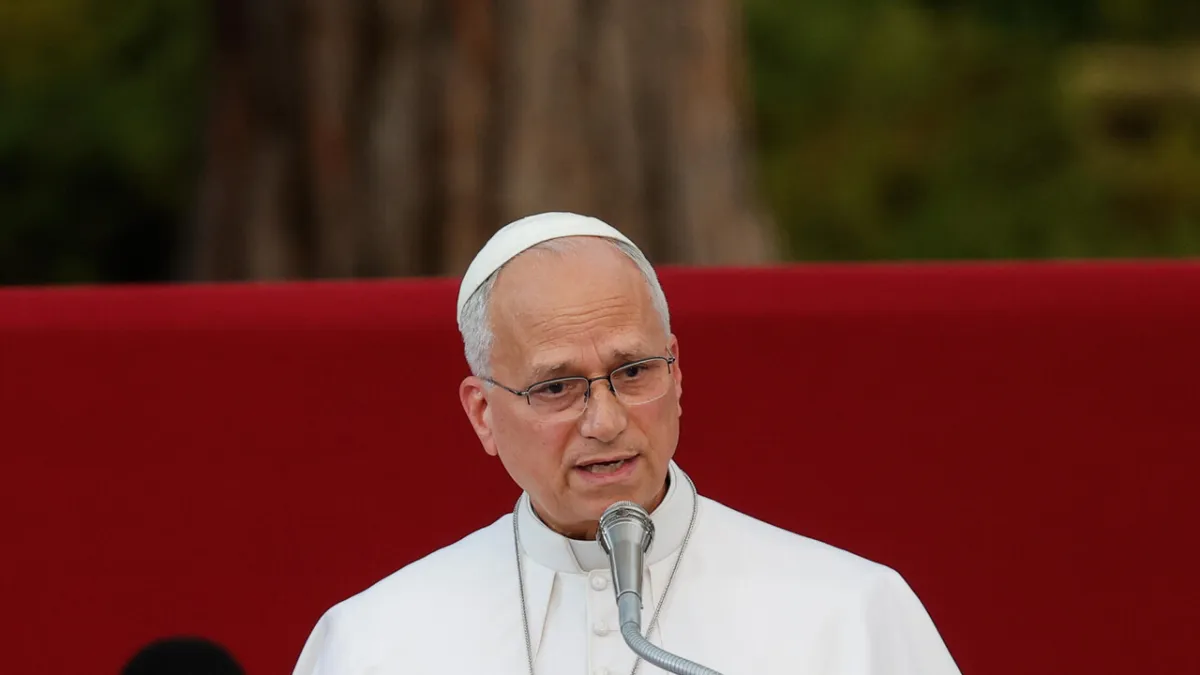
VATICAN CITY – The United Nations Educational, Scientific and Cultural Organization (UNESCO) and the Holy See have announced a significant meeting on September 25, 2026. Pope Francis will lead a profound reflection on the impact of Artificial Intelligence (AI), the direction of global education, and efforts to achieve lasting peace. This collaborative initiative highlights a "deep convergence of views" between the two institutions, particularly referencing the Holy See's encyclical "Magnifica Humanitas."
This forthcoming discussion marks a proactive step by two leading global entities in addressing the challenges and opportunities presented by technological advancements. The meeting's core focus is to align digital innovation with universal ethical principles and human values, striving for a more just and peaceful future.
The urgency of discussing AI has long been a concern for Pope Francis. He has consistently called for an ethical framework in the development and application of this advanced technology. This aligns with UNESCO's perspective, which recognizes AI's immense potential but also acknowledges the risks of social disruption, inequality, and misuse.
The Holy See's encyclical "Magnifica Humanitas" provides a solid philosophical foundation for this dialogue. This recently published document outlines a humanist vision of how technology should serve humanity, not the other way around, emphasizing personal dignity and the common good.
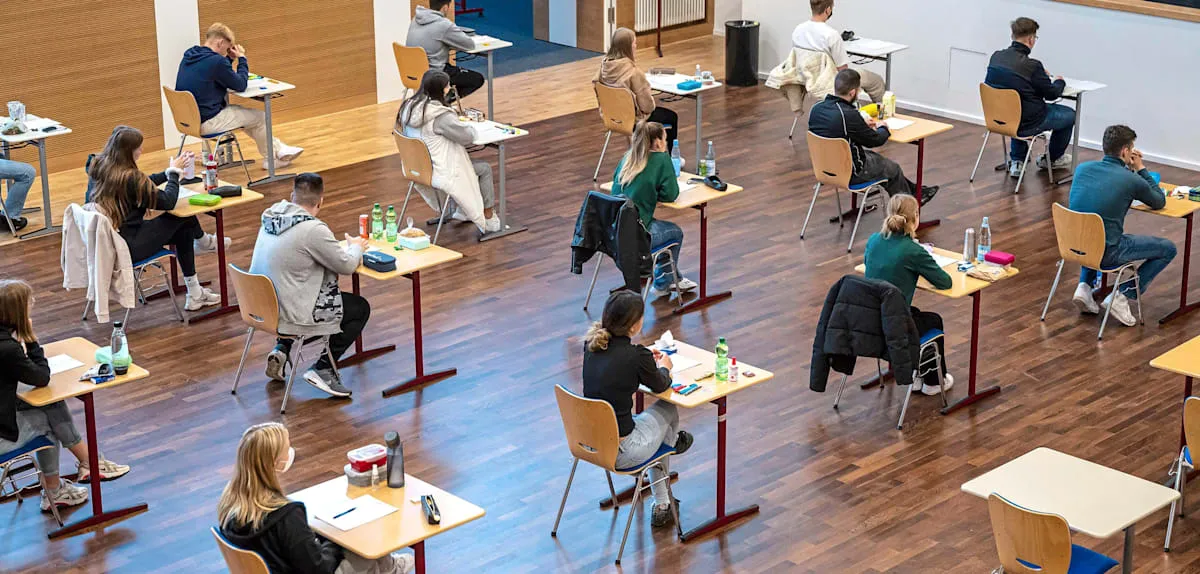
The aspect of education, a key pillar of UNESCO, will be a crucial focus. How can education systems adapt to prepare future generations for a world increasingly dominated by AI? This question encompasses curriculum, teaching methods, and the importance of instilling digital literacy and ethics from an early age.
Beyond technical skills, the discussion will examine how education must continue to foster empathy, critical thinking, and creativity, which are essential for preserving the essence of humanity amid automation. The ultimate goal is to ensure AI becomes a tool for empowerment, not for diminishing human potential.
The dimension of peace also holds a central position. AI can be a double-edged sword in conflict contexts; it has the potential to accelerate data analysis for conflict resolution but can also fuel an autonomous weapons race, posing serious threats to global security.
Participants will explore ways to leverage AI in promoting intercultural dialogue, reducing tensions, and building bridges of understanding. The discussions will also touch upon the need for robust international regulations to prevent the misuse of AI in military contexts or for propaganda.
UNESCO's role as a multidisciplinary organization provides a unique platform for such a dialogue, bringing together experts from diverse fields such as ethics, science, education, and policy. The collaboration with the Holy See adds an invaluable spiritual and moral dimension to the formulation of solutions.
Pope Francis, with his moral and spiritual authority, has been an important voice on complex global issues. His involvement ensures that discussions focus not only on technical aspects but also on broader ethical and sociological implications, reaching the conscience of the international community.
This meeting is not an isolated incident. It is a continuation of a series of initiatives demonstrating the deep concern of both the Vatican and UNESCO regarding the direction of civilization in the digital age. Both have independently organized conferences and published papers on AI ethics.
It is hoped that the results of the September 25 meeting will include concrete recommendations that can be implemented by governments, educational institutions, technology companies, and civil society. The establishment of a robust global ethical framework is one of the primary targets.
The current global context, marked by geopolitical disruption, climate change, and widening digital divides, makes dialogue on AI, education, and peace even more urgent. The synergy between UNESCO and the Holy See is expected to offer much-needed perspectives.
These in-depth discussions are expected to facilitate a collective understanding of how to ensure that AI develops in a responsible manner and is oriented towards the well-being of humanity. This is a crucial moment for shaping our digital future.
The "profonda convergenza di vedute," or deep convergence of views, between the Holy See and UNESCO, forms a strong foundation for advancing the humanitarian agenda amidst the technological revolution. This alignment underscores a shared determination to seek holistic solutions.
The meeting reflects a commitment to sustainable development, where technology is not merely a tool for economic progress but also a means to achieve social justice, equitable education, and lasting peace for all.
Editorial Insight: This meeting transcends mere ceremony; it represents a strategic response to a global paradigm shift. The involvement of both the Holy See and UNESCO signals a serious endeavor to balance technological innovation with fundamental human values. The outcomes of this gathering could potentially become a blueprint for a global ethical framework for AI development, particularly in the contexts of education and peace—a crucial step amid the digital and geopolitical disruptions of 2026.