 Gabriella
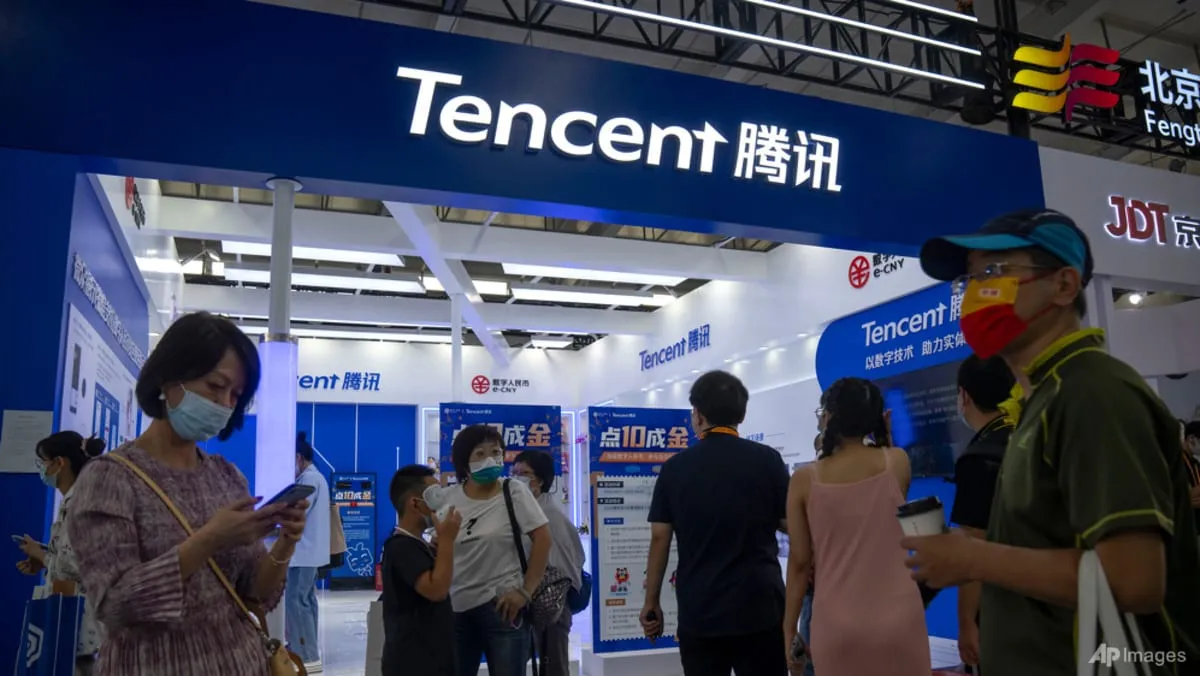
BEIJING – Deep apprehension grips China's technology sector in early 2026 following the escalation of artificial intelligence (AI) technology export restrictions by the United States government. These curbs, primarily targeting advanced chips and vital AI hardware, have sparked serious concerns about the future of Chinese AI innovation after the significant impact of last year's Nvidia fallout.
Washington has consistently tightened its grip on the supply of advanced semiconductors, especially those with high AI capabilities, to China. This move is based on national security concerns and efforts to maintain its global technological supremacy.
The impact of US policies has been felt since 2025, when chip manufacturing giant Nvidia faced internal turmoil and restrictions on selling its cutting-edge AI chips to the Chinese market. This situation has forced Chinese tech companies to seek alternatives or even redesign their systems.
Several Chinese tech giants, including Huawei, Alibaba, and Baidu, are now at a crossroads. They heavily rely on high-performance chips to train and develop their ambitious generative AI models. Without easy access to this crucial technology, the pace of their AI development risks slowing down.
Executives at these companies express concerns about long-term prospects. These restrictions not only hinder the speed of our innovation but also place us in a vulnerable position in the global market, said an anonymous source from a leading tech company in Shanghai.
In response to this pressure, China has intensified its investment in domestic chip research and development. The Made in China 2025 program is now being accelerated, with technological self-sufficiency as a top priority.
Geopolitical analysts view the US actions as part of a broader global power competition, where AI technology has become a key battleground. These policies also reflect the ongoing trade and technology tensions between the two superpowers.
These restrictions not only affect China but also have the potential to disrupt global supply chains and trigger fragmentation within the AI industry. Some experts argue that this could encourage the development of open-source AI alternatives, or even stimulate investment in non-American AI ecosystems.
The future of the global AI landscape remains shrouded in uncertainty. Will China succeed in building a fully independent AI foundation, or will US restrictions effectively slow its progress in this crucial sector?
Editorial Insight: The escalation of US technology sanctions against China, particularly in the AI sector, marks a new chapter in the race for global technological dominance. This policy has the potential to split the world's AI ecosystem into two main blocs, compelling China to invest more heavily in domestic innovation, while also creating opportunities for other nations to fill gaps or develop alternative solutions. Its long-term impacts will be felt across the price, availability, and direction of global AI technology development.